Your outdoor AC unit hums, the thermostat is set to cool, but the house keeps getting warmer. In many cases, the problem is a failed capacitor. This AC capacitor failure guide explains what that component does, the signs homeowners can spot, and why calling a qualified HVAC technician is the safest next step in Arizona heat.
A capacitor is a small part with a big job. It stores and releases electrical energy to help the compressor and fan motor start and run. When it weakens or fails, your air conditioner may not have the electrical boost it needs to operate correctly. Left unaddressed, a relatively straightforward repair can put additional strain on expensive components.
What an AC Capacitor Does
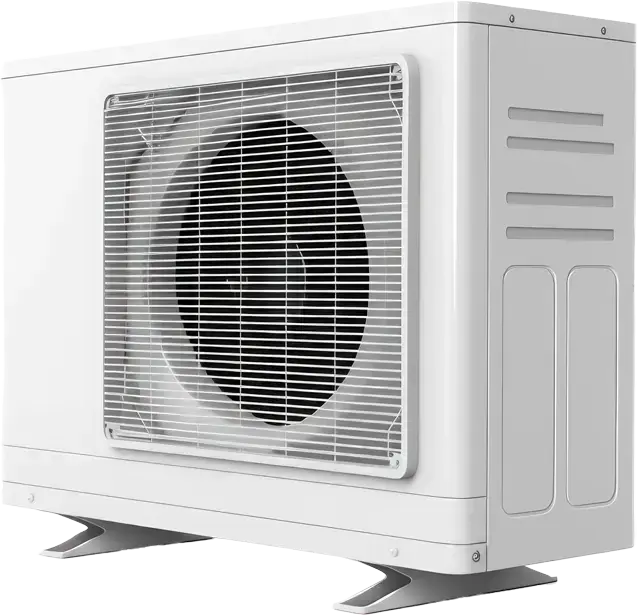
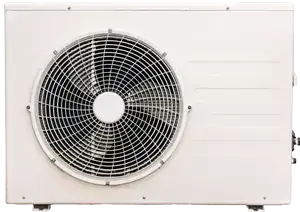
Most central air conditioning systems use capacitors in the outdoor condenser unit. A start capacitor provides a short, powerful boost to get a motor moving. A run capacitor supplies steady electrical support while the system operates. Many modern systems use a dual-run capacitor, which serves both the compressor and the condenser fan motor in one component.
That matters because your AC can have different symptoms depending on which function is affected. A unit may cool poorly if the compressor struggles to run, or it may shut down from overheating if the outdoor fan cannot spin and remove heat from the system.
Capacitors are not designed to last forever. Arizona’s long cooling season, high outdoor temperatures, electrical fluctuations, and normal wear can all shorten their service life. The outdoor unit is built for the weather, but months of intense heat still place significant demand on every electrical part inside it.
Common Signs of Capacitor Failure
A failed capacitor can look like several other AC problems, including a bad contactor, a failing motor, a thermostat issue, or a tripped breaker. Still, these warning signs are worth taking seriously:
- The outdoor unit hums or buzzes but does not start.
- The fan blade outside does not spin while the system is calling for cooling.
- The AC starts, then shuts off quickly or repeatedly trips the breaker.
- Your home is cooling slowly, or warm air is coming from the vents.
- The outdoor unit makes clicking, humming, or strained sounds.
- You notice a sudden increase in indoor temperature during a normal cooling cycle.
A weak capacitor may allow the system to start occasionally, which can make the problem seem intermittent. It may run in the morning, fail during the hottest part of the afternoon, then work again after sitting for a while. That inconsistency is not a reason to wait. It is often a sign that the part is nearing complete failure.
What You Can Safely Check
Homeowners can check a few basic things without opening the equipment. Make sure the thermostat is set to Cool and below the current indoor temperature. Confirm the indoor air handler or furnace switch is on, and look for a tripped breaker. You can also check whether the outdoor unit is obstructed by leaves, landscaping, or stored items.
If the outdoor unit is humming, hot, or repeatedly attempting to start, turn the system off at the thermostat. Do not keep resetting the breaker or forcing repeated cooling cycles. Repeated start attempts can overheat the compressor, and compressor replacement is far more costly than capacitor replacement.
Do not remove the condenser panel or attempt to test or replace the capacitor yourself. Capacitors can retain a dangerous electrical charge even after power is disconnected. Proper diagnosis requires safely shutting down the equipment, discharging the component, measuring capacitance, and verifying the system’s electrical and mechanical condition.
Why Capacitors Fail in Phoenix-Area AC Systems
Heat is a major factor. In Chandler, Gilbert, Mesa, Queen Creek, and surrounding communities, an AC system may run for hours at a time during summer. Longer cycles generate more heat inside the outdoor unit, stressing capacitors and motors alike.
Electrical conditions can also contribute. Power surges, voltage drops, loose wiring, and worn contactors may cause a capacitor to degrade faster. In some cases, the capacitor is the failed part. In others, it is the first visible symptom of a larger electrical issue that needs attention.
Age matters as well. Capacitors commonly fail as systems get older, but a newer unit can have one fail after a severe heat event or electrical surge. Quality, installation conditions, and the workload placed on the equipment all affect lifespan. That is why a technician should diagnose the cause instead of simply replacing a part and assuming the problem is solved.
AC Capacitor Failure Guide: What a Technician Checks
A professional AC repair visit should go beyond a quick visual inspection. A swollen or leaking capacitor is a clear warning sign, but not every failed capacitor looks damaged from the outside.
A trained technician will safely test the capacitor’s microfarad rating and compare it with the manufacturer’s acceptable range. They should also inspect wiring connections, the contactor, compressor amperage, fan motor performance, and overall system operation. These checks help determine whether the capacitor failed from normal wear or whether another issue could damage the replacement part.
For example, a failing condenser fan motor may draw excessive amperage and wear out capacitors prematurely. A dirty condenser coil can raise operating temperatures and force the system to work harder. An electrical issue may create repeated strain at startup. Finding those conditions early protects both your comfort and your repair investment.
Is It Safe to Run an AC With a Weak Capacitor?
It depends on the symptom, but the practical answer is usually no. If the system is running normally and a technician identifies a capacitor that is slightly out of range during maintenance, replacement can often be scheduled promptly before it becomes an emergency. If the system is humming, failing to start, short-cycling, or tripping breakers, turn it off and arrange service.
Continuing to operate an AC with a weak capacitor can overheat the compressor or fan motor. Those parts may fail because they are trying to run without the electrical support they need. The longer the system struggles, the greater the risk that a small repair becomes a much larger one.
Capacitor Replacement Cost and Repair Decisions
Capacitor replacement is typically one of the more affordable central AC repairs, especially compared with compressor or motor replacement. The final cost depends on the capacitor type and rating, the system’s accessibility, the diagnostic work required, and whether related repairs are needed.
The lowest price is not always the best value. An accurate diagnosis, properly matched replacement part, safe installation, and operational testing matter more than swapping in a capacitor that happens to fit. Using the wrong rating can damage equipment or cause ongoing performance problems.
If your AC is older and has several failing components, a technician may discuss whether repair or replacement makes better financial sense. That conversation should be based on the system’s condition, efficiency, repair history, refrigerant type, and your plans for the home. A single capacitor failure alone does not automatically mean you need a new air conditioner.
Preventing Future Capacitor Problems
You cannot prevent every electrical part from wearing out, but routine maintenance reduces avoidable stress. A seasonal tune-up allows a technician to test electrical components before peak summer demand, tighten connections, clean the condenser coil, check airflow, and identify worn motors or contactors.
Homeowners can help by keeping the outdoor unit clear, changing air filters regularly, and addressing unusual sounds or reduced cooling quickly. Avoid closing too many supply vents or blocking return vents, since restricted airflow can create system strain. If power fluctuations are common in your area, ask a qualified HVAC professional whether surge protection is appropriate for your equipment.
When an AC stops cooling in a Phoenix summer, comfort can become a safety concern quickly, particularly for young children, older adults, and pets. A prompt, professional diagnosis gives you clear answers and helps protect the parts that keep your home cool when you need it most.
 Sheila R.