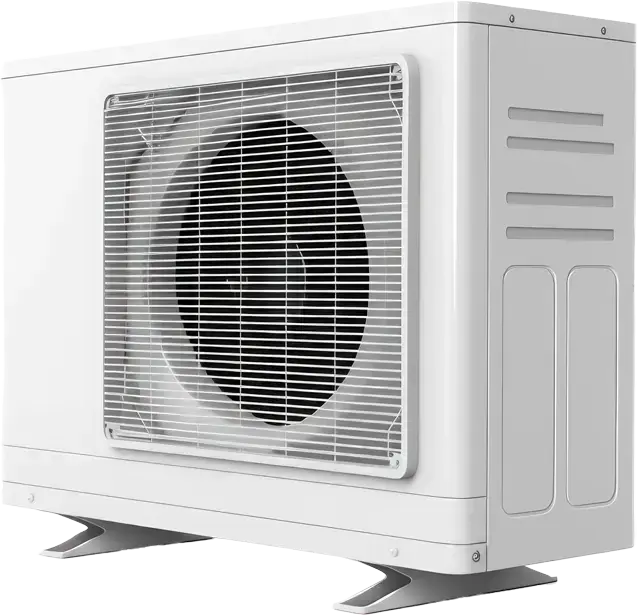
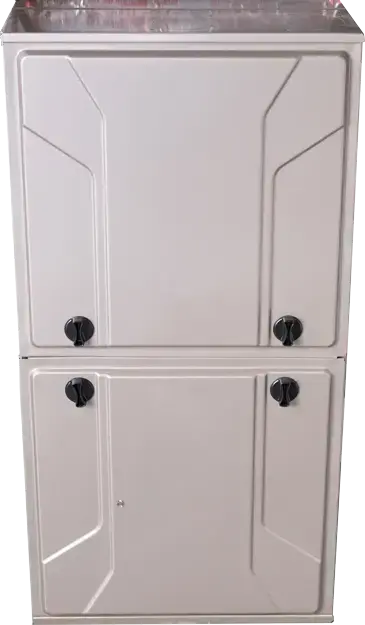
A UV light inside an HVAC system is not the same thing as a UV lamp used for curing nails, tanning, or disinfecting a countertop. In fact, that distinction answers much of the question: are UV lights safe for your home? Properly selected and professionally installed HVAC UV-C lights can be safe because the light is contained inside your equipment. But UV-C is not harmless, and it should never be treated as a do-it-yourself add-on.
For Phoenix-area homeowners, UV lights are often considered after recurring odors, visible growth near the indoor coil, or concerns about air quality. They can be useful in the right application, particularly where air conditioning runs hard for much of the year. The key is understanding what they do, what they do not do, and how installation affects safety.
Are UV Lights Safe in an HVAC System?
Yes, HVAC UV lights can be safe when they are installed inside sealed ductwork or an air handler, positioned correctly, and serviced by a qualified HVAC professional. The UV-C radiation stays inside the equipment while the system operates. You should not be able to see the light from occupied areas of the home or come into direct contact with it during normal use.
The concern is direct exposure. UV-C radiation can irritate or damage skin and eyes, even after a short period of exposure. That is why a technician should switch off the system and light before opening an access panel, follow the manufacturer’s service instructions, and verify that the equipment is properly secured after maintenance.
A safely installed system also accounts for the materials around the lamp. Prolonged UV-C exposure can degrade certain plastics, wire insulation, filters, and drain components if the lamp is aimed improperly. Placement matters just as much as the lamp itself.
What HVAC UV Lights Actually Do
Most residential HVAC UV lights use UV-C energy, commonly called germicidal ultraviolet light. It is designed to disrupt the ability of certain microorganisms to reproduce when they receive sufficient exposure. In an HVAC application, the most common target is biological growth on the evaporator coil and in the nearby drain pan area.
Your evaporator coil gets cold while your air conditioner is running. In Arizona’s cooling season, that coil may operate for long stretches and collect condensation. Although desert air is dry outdoors, the inside of an air handler can still be a damp environment. Dust and moisture around the coil can create conditions where microbial growth is more likely.
A coil-mounted UV light shines continuously on those surfaces. Its primary benefit is keeping the coil area cleaner over time, which may help reduce musty odors and preserve airflow through the system. A cleaner coil can also support system efficiency, although a UV light is not a substitute for regular maintenance.
There are also in-duct UV systems intended to treat moving air. These require careful design because air passes the lamp quickly. The effectiveness depends on lamp intensity, exposure time, airflow speed, lamp placement, and the specific organism involved. For most homes, coil treatment is the more straightforward and common use.
The Safety Risks Homeowners Should Know
A UV-C system is safest when it is out of sight, out of reach, and installed for a clear purpose. The major risks are manageable, but they are real.
Eye and Skin Exposure
Never look directly at an operating UV-C lamp or place your skin near it. UV-C can cause a painful eye condition similar to a severe sunburn of the eye, along with skin irritation. If an HVAC cabinet must be opened, the light should be turned off first. Do not rely on simply looking away or standing back.
If you believe you have been exposed to UV-C light and develop eye pain, tearing, a gritty sensation, or skin redness, seek medical guidance promptly.
Incorrect Installation
An improperly installed lamp can shine through a gap in ductwork or an access panel. It can also damage nearby HVAC components over time. This is one reason homeowners should be cautious with inexpensive universal kits. The fixture may fit physically while still being poorly located for safety, effectiveness, or long-term equipment protection.
Professional installation includes evaluating cabinet layout, wiring, service access, lamp position, and the condition of the coil and drain system before adding a light.
Ozone Confusion
Many homeowners understandably associate air-cleaning devices with ozone. Standard HVAC germicidal UV-C lights are generally designed to be ozone-free. However, not all products marketed for air treatment work the same way. Some air purifiers and ionization devices may intentionally produce ions or ozone-related compounds.
Ask what technology is being installed and whether it is certified as ozone-free. A reputable contractor should be able to explain the product’s function clearly instead of grouping every indoor air quality device into one category.
UV Lights Do Not Replace Filtration or Maintenance
A UV light does not capture dust, pet dander, pollen, lint, or other airborne particles. It does not fix a clogged filter, leaky ducts, excessive indoor humidity, or a drain line that needs cleaning. It also will not repair an air conditioner that is struggling to cool your home.
Think of it as one targeted layer in an indoor air quality plan. Your filter handles particles. Routine maintenance helps keep the coil, blower, and drain system clean. Sealed ducts limit unwanted dust and attic air entering the system. A UV light may help control biological growth where moisture is present inside the equipment.
For families managing allergies, asthma, odors, or frequent coil buildup, the right solution may involve more than one improvement. The best recommendation starts with finding the source of the problem rather than selling a device for every concern.
When a UV Light May Be Worth Considering
A UV light can make sense if your technician finds recurring growth around the evaporator coil, persistent musty odors that return after cleaning, or conditions that make the indoor unit prone to moisture-related buildup. It may also be a worthwhile addition for homeowners who want to protect a newly cleaned coil and keep the air handler cleaner between maintenance visits.
It may not be the first investment to make if your system has more basic issues. A heavily restricted filter, dirty blower wheel, neglected coil, drain problems, poor airflow, or duct leakage should be addressed first. Installing a UV lamp without correcting those issues can create a false sense that the system has been fully cleaned or repaired.
The age and design of your equipment matter, too. A technician can confirm that the cabinet has a safe mounting location and that the selected lamp will not expose vulnerable materials to unnecessary UV energy.
How to Keep an HVAC UV Light Safe Over Time
Once installed, an HVAC UV light needs modest but consistent attention. Most lamps need replacement on a schedule set by the manufacturer, often about once a year, even if the lamp still appears to glow. Visible light does not guarantee it is producing enough germicidal UV-C energy to do its intended job.
Keep the access panel firmly in place and avoid opening the air handler while the unit is powered. During routine HVAC maintenance, ask the technician to inspect the lamp, mounting hardware, wiring, and the condition of nearby components. They can also clean the coil and check the condensate drain, which remain essential even with UV protection in place.
It is also wise to use the filter type your system can handle. A filter that is too restrictive can reduce airflow and create comfort and efficiency problems. The right filter, regular replacement, and a clean system often make a more noticeable difference than any single air-quality accessory.
A Practical Decision for Your Home
UV lights are not automatically necessary in every HVAC system, but they can be a safe, effective tool for the right situation. The safest choice is a purpose-built, ozone-free UV-C product installed inside the equipment by a trained professional who has inspected the coil, drainage, airflow, and cabinet layout.
If odors, buildup, or indoor air quality concerns keep coming back, start with an HVAC evaluation instead of guessing at a product. Climate Pro can help homeowners determine whether a UV light is a sensible addition or whether cleaning, filtration, duct work, or another repair will better protect comfort and air quality.
 Whitney M.