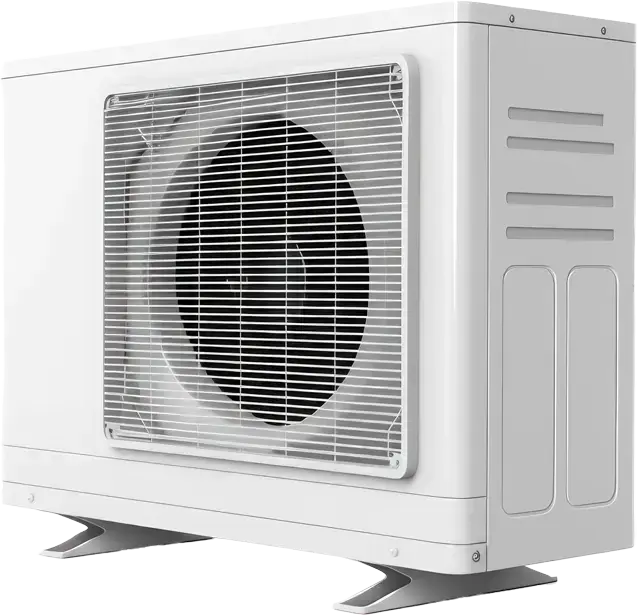
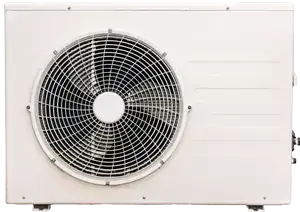
A Phoenix air conditioner does not get an offseason. It works through long stretches of triple-digit heat, often for hours at a time, and small performance issues can become expensive fast. The best AC maintenance plan benefits homeowners by catching those issues early, helping the system cool more efficiently, and reducing the odds that a minor concern turns into a no-cooling emergency.
For homeowners in Chandler, Gilbert, Mesa, and surrounding communities, maintenance is not an optional extra for a system that is used heavily. It is a practical way to protect comfort, manage operating costs, and make better decisions before a breakdown forces your hand.
Best AC Maintenance Plan Benefits Start With Fewer Breakdowns
Most air conditioning failures do not happen without warning. A capacitor may weaken, electrical connections may loosen, the drain line may start to clog, or a dirty coil may make the compressor work harder than it should. The system can still appear to be running normally until the strain reaches a tipping point – usually on the hottest day of the year.
A professional maintenance visit gives a trained technician the opportunity to inspect key components before they fail. That includes testing electrical parts, checking refrigerant performance, examining airflow, clearing the condensate drain, and looking for signs of wear that homeowners cannot reliably identify from the thermostat.
Maintenance cannot guarantee that an older part will never fail. No honest HVAC company should promise that. What it can do is reduce avoidable failures and give you useful notice when a repair or replacement is becoming more likely. That is a much better position than discovering a problem after your home is already heating up.
Better Efficiency Can Mean Lower Summer Costs
Your AC uses more energy when airflow is restricted, coils are dirty, or mechanical and electrical components are not operating as intended. In Arizona, even a modest efficiency loss can matter because your cooling system runs so often.
During maintenance, a technician can identify conditions that force the system to work harder. A clogged filter, a dirty outdoor coil, a blower issue, or low airflow may not stop cooling immediately, but each can add stress and increase runtime. Correcting those concerns helps the equipment deliver the cooling you are already paying for.
It is worth keeping expectations realistic. A maintenance plan will not transform an aging, undersized, or failing system into a high-efficiency new unit. It also cannot offset poor attic insulation, leaky ductwork, or a thermostat that is programmed inefficiently. However, it helps ensure your existing equipment is operating as close to its intended performance as possible.
For many homes, maintenance also creates a clearer picture of where energy is being lost. If the AC itself checks out but some rooms remain uncomfortable, the next answer may involve duct sealing, air balancing, insulation, or thermostat settings rather than another AC repair.
Maintenance Helps Protect Equipment Life
Air conditioners are built to handle demanding conditions, but they are not built to ignore years of accumulated dust, drainage problems, electrical wear, and restricted airflow. The harder a system has to work, the more wear it places on major components such as the compressor and blower motor.
Regular service helps address the smaller issues that contribute to that strain. Keeping coils cleaner, confirming proper drainage, checking components, and verifying system operation can help prevent unnecessary wear over time. That may support a longer useful life for the equipment and delay the cost of a full replacement.
Age still matters. Once a system is nearing the end of its expected service life, homeowners should weigh repair costs, efficiency, reliability, and warranty coverage carefully. Maintenance remains valuable for an older system because it helps you make that decision with better information. You can plan ahead instead of making a rushed replacement choice during a heat wave.
Comfort Is More Than a Temperature Setting
A thermostat can say 74 degrees while parts of the home still feel warm, humid, stuffy, or uneven. Comfort depends on consistent airflow, proper system operation, clean circulating air, and a cooling setup that matches the home’s needs.
A maintenance appointment is an opportunity to bring up concerns that may seem minor but are worth investigating. Maybe the master bedroom is warmer than the rest of the house. Maybe the system runs constantly in the afternoon. Maybe airflow from one vent feels weak, or you have noticed water near the indoor unit. These details can point to an issue that deserves attention before it becomes larger.
This is one of the most useful AC maintenance plan benefits: you have a regular touchpoint with an HVAC professional who knows what to look for and can explain the findings in plain language. If the solution is simple, you can address it. If the problem requires a larger investment, you can consider your options without pressure.
A Plan Makes Routine Care Easier to Keep Up With
Homeowners have plenty to manage, and HVAC maintenance is easy to postpone when the system seems to be working. The challenge is that the best time to inspect an AC is before extreme summer weather puts it under maximum demand.
A maintenance plan adds structure. Instead of trying to remember when service is due, you have a routine in place. Many plans also provide practical conveniences such as scheduled tune-ups, priority service, and potential savings on qualifying repairs. The exact features vary by provider, so it is smart to review what is included rather than assuming every plan offers the same coverage.
Routine care also gives you a service history. That can be helpful when evaluating repeat repairs, tracking a persistent comfort problem, or deciding whether replacement makes more financial sense. It creates a record of how the system has been performing instead of relying on memory after several hot summers.
What a Quality AC Maintenance Visit Should Include
A worthwhile maintenance visit is more than a quick filter check. The technician should inspect the system with an eye toward safety, reliability, efficiency, and cooling performance. While the scope can vary by equipment type and service plan, a thorough visit commonly addresses items such as:
- Thermostat operation and overall cooling performance
- Electrical connections, capacitors, and other key components
- Indoor and outdoor coil condition
- Condensate drain operation and potential clogs
- Refrigerant-related performance concerns
- Blower operation, airflow, and filter condition
- Visible signs of wear, leaks, or developing repair needs
The technician should also explain what was found. A good maintenance experience is not about creating a list of unnecessary repairs. It is about separating normal wear from concerns that need action now, issues to monitor, and improvements that could make the home more comfortable or efficient.
Choosing the Right Plan for Your Home
The right maintenance plan depends on your equipment, its age, how long you expect to stay in the home, and how much you value priority access during busy seasons. A newer system may mainly need consistent preventive care to protect performance and warranty requirements. An older system may benefit from closer monitoring and a clear repair-versus-replacement strategy.
Ask direct questions before enrolling. How often will the system be serviced? What is included in each visit? Is there priority scheduling during high-demand periods? Are repair discounts available? Are there exclusions? Clear answers matter because maintenance should provide confidence, not confusion.
Climate Pro approaches maintenance as part of long-term home comfort, not a one-time checklist. A skilled technician can help you understand whether your AC simply needs routine care or whether airflow, ducts, insulation, indoor air quality, or aging equipment deserve a closer look.
When the forecast calls for another stretch of Arizona heat, the best time to think about your AC should not be after it stops cooling. Schedule maintenance while your system is still running, ask questions about anything that has changed in your home’s comfort, and give yourself room to make decisions on your terms.
 Lina B.