A bedroom that never cools down, a home addition without ductwork, or a garage that becomes unusable by noon can make a ductless system look like an obvious answer. This ductless mini split review guide helps Phoenix-area homeowners look past the promises and decide whether a mini split is the right fit for their space, budget, and comfort expectations.
Ductless mini splits can deliver excellent targeted cooling and efficient heating. But they are not a universal replacement for every central HVAC system. The right outcome depends on proper sizing, equipment quality, installation details, and how you plan to use the room.
What a Ductless Mini Split Does Well
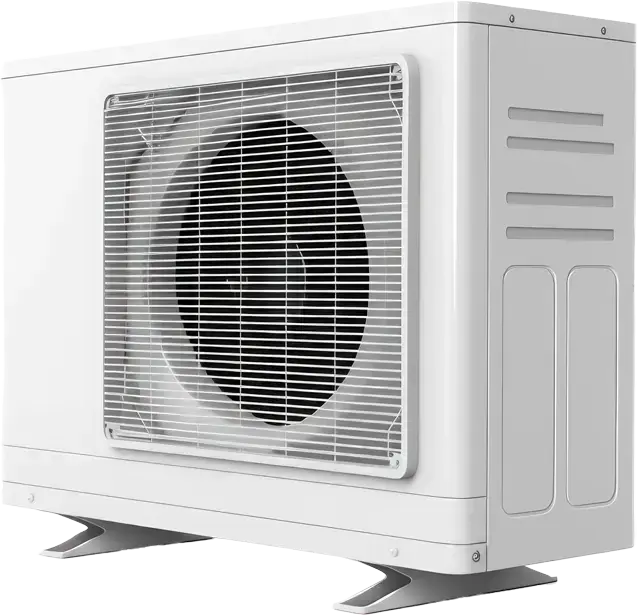
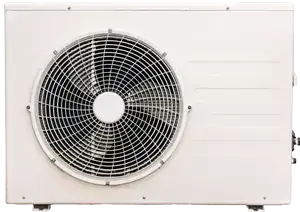
A ductless mini split has two main components: an outdoor unit and one or more indoor air handlers. The indoor unit delivers conditioned air directly into the room, so it does not need a network of supply ducts. Small refrigerant and electrical lines connect the indoor and outdoor equipment through an exterior wall.
That direct approach is the core advantage. A properly selected single-zone system can cool or heat a specific room without forcing your central system to condition the whole house differently. For a casita, converted garage, home office, enclosed patio, or addition, this can be far more practical than extending existing ductwork.
Most systems use inverter-driven compressors. Rather than running at one full-speed setting and cycling off repeatedly, the equipment can adjust output to match the room’s needs. That steadier operation often improves comfort, reduces temperature swings, and can lower energy use compared with inefficient window units or portable ACs.
In the Phoenix metro area, ductless systems are especially appealing when one room gets more sun exposure than the rest of the home. A west-facing bedroom or second-floor bonus room may need its own cooling solution even when the central system is otherwise working properly.
Ductless Mini Split Review Guide: What to Compare
The model name and advertised efficiency rating do not tell the whole story. A useful review compares how a system will perform in your actual home, not just how it looks on a product specification sheet.
Capacity and sizing
A mini split that is too small may run continuously during peak summer heat without reaching the desired temperature. One that is too large can satisfy the thermostat quickly, cycle more than necessary, and do a poorer job managing humidity during milder weather.
Room square footage is only a starting point. A professional load calculation should account for ceiling height, insulation, windows, shade, orientation, occupancy, appliances, and the heat coming through walls and glass. In Arizona, the difference between a shaded room and one exposed to afternoon sun can be substantial.
Be cautious about any recommendation based only on a quick square-footage estimate. Correct sizing protects comfort, efficiency, and equipment life.
Single-zone vs. multi-zone design
A single-zone mini split pairs one outdoor unit with one indoor unit. It is often the cleanest choice for a single troublesome room or detached space. It is also straightforward to operate because that room has its own dedicated system.
Multi-zone systems connect several indoor units to one outdoor unit. They can be a smart option for a casita, several bedrooms, or a home without usable ductwork. However, multi-zone design is not automatically better. It requires careful engineering because the outdoor unit has to serve multiple spaces with changing demands.
If only one room needs help, a single-zone system may offer better value and simpler service. If several areas need independent temperature control, a multi-zone system can make more sense.
Energy efficiency in real conditions
SEER2 and HSPF2 ratings help compare equipment efficiency, but they should not be treated as a utility-bill guarantee. The system still needs to be sized correctly, installed correctly, maintained, and used reasonably.
A high-efficiency mini split can waste energy if doors and windows are left open, insulation is weak, or the unit is struggling against major air leaks. Likewise, a well-installed midrange system can perform very well in a properly prepared room.
Look for an efficiency level that matches your usage. A daily-use bedroom, office, or living area may justify a higher-efficiency unit. A workshop used occasionally may call for a more cost-conscious option. The best choice balances upfront cost with the years of use you expect from the system.
Indoor unit placement and appearance
Wall-mounted indoor heads are the most familiar mini split option, but they are not the only style. Depending on the space, a contractor may recommend a ceiling cassette, concealed ducted unit, or floor-mounted model. Each has different clearance requirements, airflow patterns, and installation costs.
Placement matters more than homeowners often expect. An indoor unit should distribute air across the room without blowing directly onto a bed, desk, or favorite seat. It also needs a clear path for airflow and access for future cleaning and service.
Ask where the refrigerant lines, condensate drain, and electrical connections will run. A quality installation considers the exterior appearance of the home, drainage, line protection, and service access rather than treating those details as an afterthought.
The Trade-Offs Homeowners Should Know
Ductless systems offer meaningful benefits, but an honest review should include the limitations.
First, the indoor units are visible. Some homeowners do not mind the clean, compact look. Others prefer a concealed solution, which may cost more or require construction changes. Second, each indoor head needs routine filter cleaning. This is simple, but it should not be ignored in a dusty desert environment.
Third, mini splits are designed to condition zones. If doors remain closed between rooms, one indoor head may not effectively cool every corner of a large or segmented floor plan. Air does not turn corners as well as a brochure may suggest. A system that works beautifully in an open living area may not be the right answer for three closed bedrooms.
Finally, the lowest installation quote is not always the best value. Refrigerant piping, electrical work, drainage, mounting, evacuation procedures, and commissioning all affect system reliability. Improper installation can lead to leaks, weak performance, drainage issues, and premature repairs, even when the equipment itself is reputable.
When a Mini Split Is Better Than Central AC
A ductless system is often the better choice when you need to condition a defined space and adding ducts would be expensive or disruptive. Common examples include room additions, garages, guest suites, workshops, casitas, and homes with persistent hot or cold spots.
It can also help reduce strain on an older central system. If one high-load room is forcing the rest of the home to run cooler than everyone prefers, a properly sized mini split can take pressure off the main equipment. That does not mean it will fix a failing central AC unit, undersized ductwork, or serious insulation problem. Those issues deserve their own diagnosis.
For whole-home replacement, the decision requires more analysis. Ductless can be an excellent whole-house solution in some homes, particularly where existing ducts are poor, inaccessible, or absent. In other homes, upgrading a central heat pump, repairing ducts, improving attic insulation, and balancing airflow may deliver a better overall result.
Questions to Ask Before You Approve Installation
Before selecting a system, ask the contractor how the capacity was calculated and whether they inspected the room’s insulation, windows, and sun exposure. Ask which indoor-unit location they recommend and why. You should also understand how condensate will drain, where the outdoor unit will sit, and what electrical upgrades may be needed.
Discuss warranty coverage, maintenance needs, expected operating noise, and whether the proposed system can meet the room’s needs during extreme summer temperatures. A trustworthy recommendation should explain the reasoning in plain language, including any limitations.
It is also reasonable to ask whether another improvement should come first. Sealing attic leaks, adding insulation, correcting duct problems, or addressing a failing central system may change the size or type of equipment you need.
Maintenance Protects Comfort and Efficiency
Mini splits need professional maintenance just like central HVAC equipment. The indoor filters should be checked regularly, especially during heavy use. The indoor coil, blower wheel, drain system, electrical components, refrigerant performance, and outdoor coil all need periodic attention.
Skipping maintenance can gradually reduce airflow, increase energy use, create drainage problems, and affect indoor air quality. In Arizona’s long cooling season, that small amount of upkeep helps protect an investment that may run for much of the year.
The right mini split should solve a specific comfort problem without creating a new one. If you are considering ductless cooling for a hot room, addition, or casita in Chandler, Gilbert, Mesa, or nearby communities, have the space evaluated before choosing a model. Climate Pro can help you compare practical options and install a system built around how your home is actually used.
 Lina B.