When your AC stops cooling during a Phoenix-area summer afternoon, the problem is not theoretical. Indoor temperatures can climb quickly, sleep becomes difficult, and the situation can be especially serious for young children, older adults, pets, and anyone with a medical condition. This emergency cooling repair example shows what a professional visit can look like, what you can safely do before help arrives, and how to make a smart decision if the repair reveals a larger issue.
An Emergency Cooling Repair Example From Start to Finish
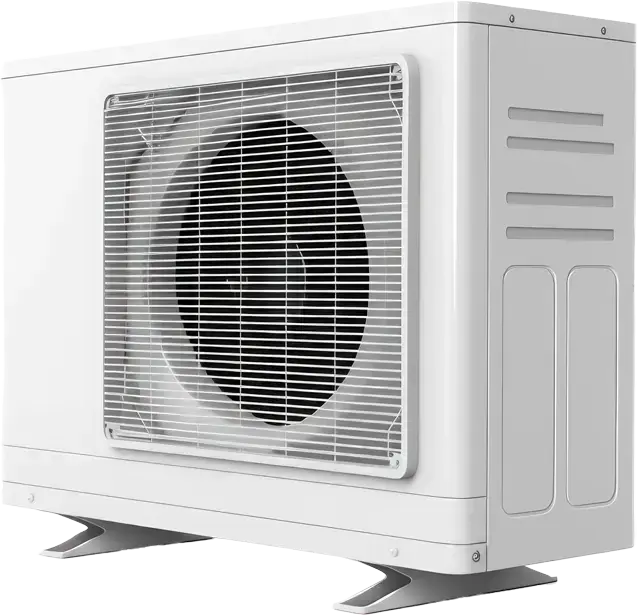
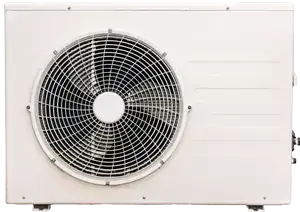
Picture a homeowner in Chandler returning home at 4 p.m. to find the thermostat reading 88 degrees. The thermostat is set to 74, but warm air is coming from the supply vents. The outdoor unit is running, the indoor blower is operating, and the system has not tripped the breaker. In other words, the AC appears to be on, but it is not removing heat from the home.
Before calling for service, the homeowner checks the return-air filter. It is heavily clogged with dust and pet hair. They replace it, wait several minutes, and find that the air is still warm. At that point, a same-day repair call makes sense.
When a trained technician arrives, the first job is not to guess at the failed part. The technician confirms the thermostat settings, checks for electrical faults, inspects the condenser, and measures temperatures and system pressures. They also look for frozen refrigerant lines, dirty coils, damaged wiring, drainage problems, and signs of a failing compressor.
In this case, the indoor evaporator coil is frozen. The likely cause is restricted airflow from the clogged filter combined with a low refrigerant charge caused by a small leak. Ice on the coil prevents normal heat transfer, so the system may run continuously while delivering little or no cool air.
The repair process starts by shutting the system down long enough for the ice to melt. Running an air conditioner with a frozen coil can create more damage, so restoring cooling immediately is not always the safest option. The technician then verifies airflow, tests the blower, locates the refrigerant leak, explains the repair options, and gives the homeowner clear pricing before work begins.
If the leak is repairable and the equipment is in otherwise good condition, the technician repairs it, evacuates the system properly, recharges it to manufacturer specifications, and confirms that the system is cooling correctly. Before leaving, they check the temperature split between return and supply air, inspect the condensate drain, and make sure the outdoor unit is operating within expected ranges.
That is the difference between adding refrigerant and completing a real diagnosis. Refrigerant does not simply get used up. If the charge is low, a qualified technician should determine why.
What Counts as a Cooling Emergency?
Not every AC issue requires an emergency appointment, but some situations should not wait. A system that is blowing slightly warmer air yet still maintaining a safe indoor temperature may be suitable for a standard service visit. A complete loss of cooling during extreme heat is different.
Call for urgent cooling repair when the AC will not run at all, the home temperature is rising quickly, the system is making loud grinding or electrical buzzing sounds, or you smell burning from the equipment. Water leaking near electrical components also needs prompt attention. If anyone in the home is heat-sensitive, even a partial cooling failure deserves faster action.
Turn the system off at the thermostat if you see ice on the refrigerant line or indoor unit, hear severe mechanical noises, or notice a burning odor. Do not repeatedly reset the breaker. A breaker that trips again is signaling a problem that needs professional diagnosis.
What You Can Do While You Wait
There are a few homeowner checks that are both useful and safe. Verify that the thermostat is set to COOL and that the set temperature is below the current room temperature. Replace a visibly dirty filter if you have the correct size on hand. Check the electrical panel once for a tripped AC breaker, but do not continue resetting it if it trips again.
You can also reduce the heat load in the house. Close blinds on sun-facing windows, avoid using the oven, turn off unnecessary lights and electronics, and use ceiling fans to help people feel cooler. Fans do not lower room temperature, but they improve comfort while repairs are underway.
Avoid removing access panels, opening electrical compartments, or trying to add refrigerant yourself. Modern air conditioning systems involve high voltage, pressurized refrigerant, and components that require specialized diagnostic equipment. A quick DIY fix can turn a manageable repair into a more expensive failure.
Why the First Diagnosis Matters
Emergency repairs often create pressure to choose the fastest possible fix. Fast service matters, but so does knowing what actually failed. The same symptom – warm air from the vents – can come from several different problems.
A failed capacitor may keep the outdoor fan or compressor from starting. A worn contactor can interrupt power to the condenser. A blocked drain line can trigger a safety switch that shuts the system down. Low refrigerant, a failing blower motor, duct leakage, a dirty coil, or thermostat wiring can all affect cooling performance.
The right repair depends on the cause, the age of the equipment, its maintenance history, and the condition of the rest of the system. For example, replacing a capacitor on a well-maintained eight-year-old unit is usually straightforward. Finding a major refrigerant leak in a 15-year-old system is a more complicated conversation.
A trustworthy technician should explain the findings in plain language: what failed, why it matters, what can be repaired today, and what risks may remain. You should not have to approve work without understanding the price and expected outcome.
Repair or Replacement After an AC Breakdown?
An emergency call does not automatically mean you need a new air conditioner. Many urgent issues are repairable, including electrical components, clogged drains, blower problems, and minor refrigerant leaks. Still, a breakdown can reveal that an older system is becoming unreliable.
Replacement may deserve consideration when the system has repeated major repairs, uses an outdated refrigerant, has a failed compressor, or cannot maintain comfort even after proper service. High utility bills, uneven room temperatures, excessive humidity, and frequent cycling can also point to a system that is no longer performing efficiently.
The trade-off is straightforward. Repairing an older unit may cost less today, while replacement can reduce the chance of another breakdown and may improve efficiency, airflow, and comfort over the long term. The best decision is not always the cheapest one, and it is not always replacement. It depends on the specific repair, your budget, and how reliably the system can serve your home through another Arizona summer.
For some homes, the solution goes beyond the outdoor unit. Leaky ducts, poor attic insulation, airflow imbalance, or inadequate return-air capacity can make a new or repaired system work harder than it should. A whole-home evaluation can identify those issues before they become the reason for the next emergency call.
Preventing the Next Emergency Cooling Repair
Most AC emergencies are not fully predictable, but regular maintenance gives problems fewer places to hide. A professional tune-up can catch weak electrical components, dirty coils, drainage concerns, airflow restrictions, and refrigerant issues before the hottest part of the season arrives.
Homeowners can help by checking filters monthly during heavy-use months and replacing them as needed. Keep the area around the outdoor unit clear of leaves, weeds, storage items, and other obstructions. Pay attention to changes in sound, airflow, cycling, or utility costs. Small changes are easier to address before the system stops working on a 110-degree day.
At Climate Pro, the goal of an emergency visit is to restore comfort without leaving you uncertain about what happened or what comes next. A clear diagnosis, transparent options, and careful testing after the repair give homeowners a better path forward. When your cooling fails in extreme heat, acting early protects your comfort, your equipment, and the people who depend on your home being a safe place to cool down.
 Sheila R.