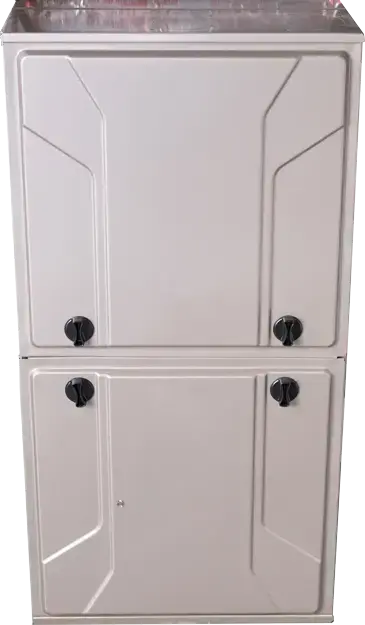
A furnace that starts reliably on a cold desert morning is easy to take for granted. But furnace installation is not a simple equipment swap. The system has to be sized for your home, installed to code, connected safely, and tested under real operating conditions. Getting those details right protects comfort, efficiency, and your family’s peace of mind for years to come.
For homeowners in Chandler, Gilbert, Mesa, and nearby communities, heating equipment may not get the same attention as air conditioning. Still, nighttime winter temperatures can make a dependable heating system essential. A thoughtful installation helps prevent uneven rooms, unnecessary energy use, short cycling, and surprise repair calls when you need heat most.
When Is Furnace Replacement the Better Choice?
A repair can often make sense, particularly when the furnace is relatively new and the issue is isolated. A worn igniter, failed control board, or blower problem does not automatically mean replacement is necessary. The better question is whether the repair restores dependable operation at a reasonable cost.
Replacement becomes more compelling when a furnace is near or past its expected service life, needs frequent repairs, has a cracked heat exchanger, or cannot heat the home evenly. Rising utility bills can also point to declining efficiency, though duct leakage, insulation gaps, and thermostat issues should be checked before blaming the furnace alone.
Safety is another deciding factor. Gas furnaces create combustion gases that must be vented correctly. A damaged heat exchanger or venting issue deserves prompt professional attention, not a temporary workaround. If a technician identifies a safety concern, ask for a clear explanation of the finding, the available options, and the urgency of the repair or replacement.
Furnace Installation Starts With Proper Sizing
Buying the biggest furnace available is not a shortcut to better comfort. An oversized unit can heat rooms too quickly, then shut down before it has distributed warmth evenly. This frequent starting and stopping, known as short cycling, can increase wear and leave some areas of the home uncomfortable.
An undersized furnace has the opposite problem. It may run for long periods without reaching the thermostat setting during colder weather. That can mean higher operating costs and a system that feels like it is always working but never catching up.
A professional recommendation should be based on more than the size of your old unit. Your contractor should consider the home’s square footage, layout, ceiling height, windows, insulation, ductwork, sun exposure, and the number of people living in the home. In Arizona, attic insulation and duct conditions can have a major effect on year-round HVAC performance. A replacement is an opportunity to address those issues instead of installing new equipment around an old problem.
Fuel Type and Efficiency Matter
Many homes use natural gas furnaces, while others rely on electric heat or a heat pump. The right choice depends on what is already installed, local utility costs, the home’s electrical capacity, comfort preferences, and the condition of the full HVAC system.
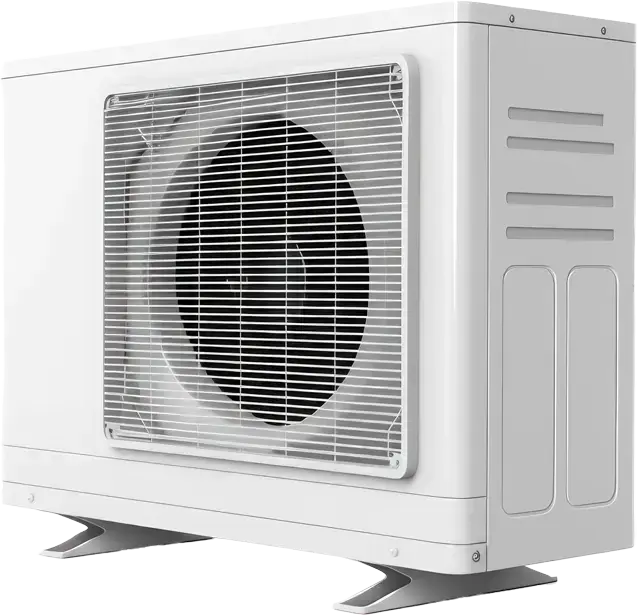
If you have a split system with an air conditioner and gas furnace, replacing the furnace alone may be practical when the outdoor AC unit is still in good condition. If both major components are aging, replacing them together can improve equipment matching and may reduce future labor costs. It also gives your contractor a chance to evaluate airflow from end to end.
Efficiency ratings matter, but the highest rating is not automatically the best value for every household. A higher-efficiency furnace can lower fuel use, yet it may come with a higher upfront cost or installation requirements that are not ideal for every property. Your expected time in the home, heating habits, and budget all matter. The goal is a system that delivers reliable comfort and sensible long-term value, not a feature list you may never use.
What a Professional Furnace Installation Should Include
A quality installation follows a process. It should begin with an assessment of the existing system, including the furnace location, return and supply ducts, electrical connections, gas line where applicable, venting, drainage, and thermostat controls. This evaluation identifies issues that could affect the new equipment’s performance or safety.
Once the right equipment is selected, the old unit is removed carefully and the installation area is prepared. Depending on the home and equipment type, the job may involve adapting duct connections, updating a gas shutoff or electrical disconnect, replacing vent components, or adding a compatible thermostat. Required permits and inspections should be handled according to local requirements.
The final step is commissioning, which is where a professional installation separates itself from a basic changeout. The technician should verify airflow, temperature rise, gas pressure when applicable, ignition sequence, safety controls, venting, and thermostat operation. They should also check that the unit starts, runs, and shuts down as designed.
Before the crew leaves, you should understand how to operate the thermostat, where the filter is located, and what maintenance your new system needs. A good contractor makes room for questions. You should never feel rushed into signing off on a system you do not understand.
Ductwork Can Make or Break New Equipment
A new furnace can only perform as well as the air delivery system connected to it. Leaky ducts can send conditioned air into the attic, while restricted or poorly balanced ducts can leave bedrooms cold and common spaces too warm. These problems are especially frustrating because homeowners may assume the new furnace is at fault.
If some rooms have always been uncomfortable, mention that before installation. The solution may involve duct sealing, airflow adjustments, additional returns, or changes to the supply registers. In some homes, attic insulation improvements also help the HVAC system maintain more consistent temperatures with less effort.
This is why a whole-home approach matters. The furnace is a critical component, but it is not the entire comfort system. Evaluating the equipment, ducts, insulation, and controls together gives you a more accurate path to lasting improvement.
Questions to Ask Before You Approve the Job
A clear proposal builds confidence and makes it easier to compare options fairly. Ask what equipment is being installed, why its capacity is appropriate, and whether any duct, venting, electrical, or gas-line work is included. Confirm what warranty coverage applies to the equipment and the installation labor.
It is also reasonable to ask how the contractor will protect your home during the work, whether permits are needed, and what testing will be completed before the job is finished. If financing is part of your decision, review the payment terms carefully rather than focusing only on the monthly number.
Be cautious with quotes that are dramatically lower than others without a clear reason. A low price may exclude needed upgrades, commissioning, permit work, or warranty support. Transparent pricing should show you what is included so there are no surprises after installation day.
Prepare Your Home for Installation Day
Most furnace replacement appointments go smoothly with a little preparation. Clear a path from the entry to the equipment location, including access to an attic, closet, or garage if needed. Move valuables away from the work area and make arrangements for pets, since doors may be opened frequently and tools will be in use.
Plan for some temporary noise and a short interruption in heating while the old equipment is removed and the new system is connected. The exact timeline depends on the installation complexity. Straightforward replacements may be completed in a day, while duct modifications or extensive updates can take longer.
After installation, replace filters on schedule and keep annual maintenance on the calendar. Routine service gives a technician the chance to inspect safety components, confirm efficient operation, and catch smaller concerns before they turn into a no-heat situation.
The right furnace installation should leave you with more than a new piece of equipment. It should leave you confident that your home has been evaluated carefully, your options were explained honestly, and your heating system is ready to do its job when Arizona temperatures drop. Climate Pro can help homeowners make that decision with clear recommendations, skilled installation, and service that stands behind the work.
 Arlene B.