A Phoenix monsoon can turn a clear, triple-digit afternoon into blowing dust, driving rain, lightning, and a power outage in minutes. Your air conditioner is built to live outdoors, but it is not immune to every monsoon hazard. Phoenix monsoon HVAC protection is less about wrapping your unit in plastic and more about keeping airflow, drainage, electrical components, and the area around the system in good condition before storm season arrives.
For homeowners in Chandler, Gilbert, Mesa, and surrounding communities, that preparation can help prevent an inconvenient AC problem from becoming a hot-house emergency after the storm clears.
What Monsoon Weather Can Do to an AC System
The outdoor condenser is designed to handle normal rain. Water falling on the cabinet and coil is not usually a problem, and light rain can even rinse away some loose debris. The concern is what comes with the rain: dust buildup, windblown debris, lightning, electrical fluctuations, and standing water.
A haboob can push fine dust into the condenser coil, outdoor electrical compartment, and return-air system. Dust coating the condenser coil makes it harder for the system to release heat. When the coil cannot shed heat efficiently, your AC may run longer, cool less effectively, and place more strain on the compressor.
High winds can also blow branches, patio items, leaves, and gravel against the outdoor unit. A damaged fan guard, bent coil fins, or blocked coil may not stop the system immediately, but it can reduce efficiency and lead to trouble during the next heat wave.
Lightning and utility interruptions create a different risk. A nearby strike or power surge can damage control boards, capacitors, compressors, thermostats, and other sensitive electronics. Not every outage causes HVAC damage, but repeated outages or a surge when power returns can. This is why professionally installed whole-home or HVAC-specific surge protection is worth discussing, especially for homes with newer variable-speed equipment and smart controls.
Phoenix Monsoon HVAC Protection Starts Before the Storm
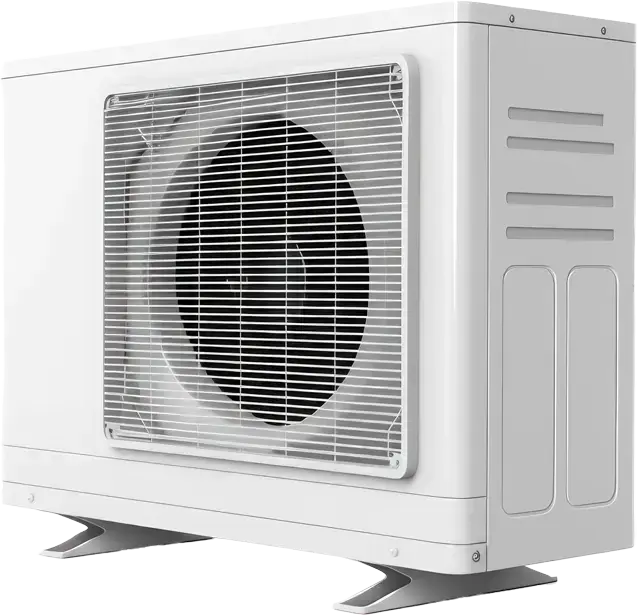
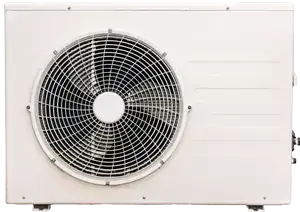
The best time to protect your system is on a dry morning, not when dust is already rolling across the neighborhood. Start with the outdoor unit. Clear leaves, weeds, palm fronds, and stored items away from it. The condenser needs open space to pull in air through its sides and discharge heat from the top.
Keep furniture, storage bins, and landscaping at least a couple of feet away whenever possible. Do not build a solid enclosure around the unit for appearance or protection. Restricted airflow can cause the same performance problems you are trying to avoid.
Check the concrete or composite pad beneath the condenser as well. It should be stable and reasonably level. Arizona soil movement, irrigation, and heavy rain can shift a pad over time. A unit that is noticeably tilted may place stress on refrigerant lines, wiring, and the compressor.
Inside the home, replace a heavily loaded air filter before monsoon season. Dust storms can make filters clog faster than expected, particularly in homes with pets, renovations nearby, or leaky ductwork. A clean filter protects airflow, helps your system cool more consistently, and reduces the chance that dust will circulate through living spaces.
It is also smart to test your thermostat and confirm that it has fresh batteries if your model uses them. If the power goes out, know where your HVAC breaker panel is located. You do not want to search for it while the house is warming up after a storm.
Do Not Cover the Outdoor Unit
One common mistake is covering the condenser with a tarp before rain or a dust storm. Do not run the AC while it is covered. The unit needs substantial airflow, and a tarp can trap heat, restrict the fan, and create moisture problems around electrical components.
A purpose-built top cover may be useful during an extended off-season shutdown, but Phoenix air conditioners often operate well beyond the traditional summer months. For monsoon weather, keeping the surrounding area clear is safer and more effective than covering a unit that may need to run.
Protect Electrical Components From Surges and Outages
A surge protector is one of the most practical upgrades for monsoon season. There are two common approaches: whole-home surge protection installed at the electrical panel and HVAC surge protection installed near the equipment. The right option depends on your electrical setup, equipment age, and the level of protection you want.
A whole-home device helps protect multiple appliances and electronics. An HVAC-specific protector adds a layer of defense for the air conditioner itself. Many homeowners choose both, especially after replacing an older system with equipment that relies on electronic boards and communicating controls.
If your power goes out during a storm, turn the thermostat to Off. Once power is restored, wait several minutes before restarting the system. That brief pause allows electrical conditions to stabilize and helps avoid an immediate restart under pressure. Many modern systems have built-in time delays, but setting the thermostat to Off is a simple extra precaution.
If you see sparking, smell burning, hear loud electrical buzzing, or notice damage to the disconnect box near the outdoor unit, do not attempt a repair. Turn off power only if it is safe to do so and call a qualified HVAC professional.
Watch Drainage and Water Around the Condenser
Rain itself is normal. Standing water is not. After a monsoon, check the area around the outdoor unit once conditions are safe. The condenser should not sit in pooled water for long periods, and runoff should not wash soil, mulch, or gravel into the coil or electrical disconnect.
Pay attention to roof drainage, too. A strong stream from a gutter outlet can repeatedly soak one side of the unit, erode the pad, or carry debris where it does not belong. Redirecting runoff may be a simple landscaping adjustment, but it can prevent recurring problems.
Indoors, the condensate drain line deserves attention. During humid monsoon days, your AC can produce more condensate than usual. A partially blocked drain can lead to water near the indoor air handler, ceiling stains, or a system shutdown if the safety switch activates. Routine maintenance should include drain-line inspection and cleaning, particularly if your system has a history of backups.
What to Do After a Dust Storm or Heavy Rain
Once the storm has passed and it is safe to go outside, look over the condenser without opening its panels. Remove loose branches and debris from around the unit. If dust has visibly packed into the coil or fins are bent, avoid using a high-pressure hose. High pressure can flatten delicate fins and force debris deeper into the coil.
You can gently rinse loose surface dust from the outside of the unit with a garden hose, keeping the spray moderate and directed through the coil. Skip this step if the unit has visible electrical damage, flooding, or loose wiring. When in doubt, leave cleaning to a technician who can clean the coil correctly and inspect the equipment at the same time.
Then check your filter. If it is gray, packed with dust, or approaching its scheduled replacement date, change it. Run the system and listen for unusual sounds. Weak airflow, warm supply air, frequent cycling, a burning odor, breaker trips, or an error message on the thermostat are all reasons to schedule service promptly.
When a Professional Inspection Makes Sense
Not every monsoon calls for a service visit. If your system is cooling normally, there is no sign of damage, and the area around the unit drains well, basic homeowner checks may be enough.
A professional inspection is the better choice after flooding, a lightning event, a major power surge, repeated breaker trips, or physical damage from debris. It is also worthwhile if your AC was already struggling before the storm. Monsoon conditions often expose issues that were already developing, such as a dirty coil, weak capacitor, aging contactor, blocked drain, or restricted duct airflow.
Preventive maintenance gives a technician the opportunity to inspect electrical connections, capacitors, coils, refrigerant performance, drains, and safety controls before a small concern becomes a no-cooling call. Climate Pro can also help homeowners evaluate surge protection, drainage concerns, air balancing, and filtration options based on the way their home performs during Arizona’s most demanding weather.
A monsoon storm is unpredictable, but your response does not have to be. Keep the system clear, avoid makeshift covers, address dust and drainage quickly, and get unusual electrical or cooling symptoms checked before the next hot afternoon puts your comfort to the test.
 Sheila R.