A single thermostat should not have to decide whether every room in your house is comfortable. In Phoenix-area homes, a west-facing bedroom can stay hot long after the rest of the house has cooled, while a lightly used guest room may not need the same conditioning at all. A VRF system for homes gives homeowners a more precise way to manage those differences, but it is not automatically the best replacement for every central AC system.
VRF technology can deliver impressive room-by-room comfort and energy control. It also requires thoughtful design, qualified installation, and a realistic look at how your household uses the home. Here is what to consider before choosing one.
What Is a VRF System for Homes?
VRF stands for variable refrigerant flow. Rather than delivering the same amount of heating or cooling everywhere, a VRF system adjusts the flow of refrigerant to meet the needs of individual indoor units or zones.
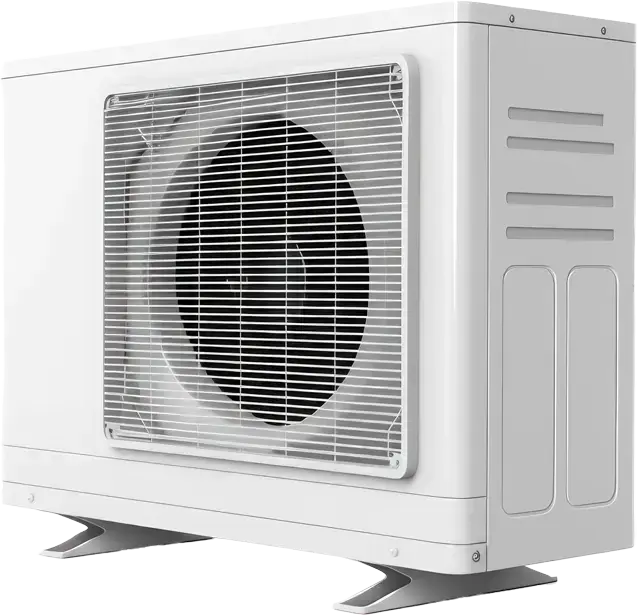
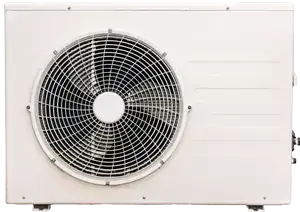
A typical residential setup includes an outdoor heat pump unit connected to multiple indoor air handlers through refrigerant lines. Those indoor units may be wall-mounted, ceiling-mounted, concealed above a ceiling, or paired with short duct runs. Each area can have its own temperature setting, giving homeowners more control than a conventional single-zone system.
Think of the difference this way: a standard central system generally turns on to cool the house as one large space. A VRF system can respond to the rooms actually calling for cooling. If the primary bedroom needs relief at night but the living room does not, the system can focus capacity where it is needed.
Why Zoned Comfort Matters in Arizona Homes
Arizona homes deal with more than high summer temperatures. Sun exposure, window orientation, ceiling height, additions, garage conversions, and uneven insulation can create very different comfort needs under one roof. A thermostat located in a central hallway cannot always account for those differences.
A VRF system is especially worth considering when certain areas consistently feel warmer or cooler than the rest of the home. Common examples include a second-story bedroom, a casita, a home office used all day, or an addition that was never properly tied into the original HVAC design.
Because individual zones can be adjusted independently, family members may be able to set rooms closer to their preferences without forcing the entire home to one temperature. That control can be valuable for households where one person likes a cooler sleeping environment or where rooms sit empty for much of the day.
Still, zoning is not a substitute for fixing basic home-performance problems. Major duct leaks, inadequate attic insulation, unsealed return ducts, and poor air distribution should be addressed as part of the overall comfort plan. Otherwise, homeowners can invest in advanced equipment while the house continues to lose conditioned air where it should not.
Efficiency Can Be a Real Benefit, but Design Comes First
The key efficiency advantage of VRF is its ability to modulate. Instead of cycling at one fixed output, the system can ramp up or down based on changing demand. On milder days, during cooler evenings, or when only a few rooms need conditioning, that can reduce unnecessary energy use.
For a Phoenix homeowner, this matters because air conditioning runs hard for a long stretch of the year. Equipment that matches output more closely to the home’s real-time load may provide steadier temperatures and fewer dramatic swings between too warm and too cold.
But efficiency claims only hold up when the system is sized and installed correctly. An oversized VRF system can cycle inefficiently and struggle with humidity management. An undersized system may run continuously during peak heat and fail to maintain comfort. The right answer starts with a room-by-room load calculation, not a quick estimate based only on square footage.
A contractor should also evaluate insulation levels, window performance, sun exposure, occupancy, appliances, and the condition of existing ductwork. In desert climates, those details have a direct effect on system capacity and long-term operating costs.
Where a VRF System Fits Best
VRF can be an excellent option for certain home layouts and comfort challenges. It is often a strong fit for homes with additions, detached spaces, renovations, or areas where extending traditional ductwork would be difficult or expensive.
For example, a homeowner adding a workshop, enclosed patio, guest suite, or office may not want to overload the existing central AC system. A dedicated VRF zone can provide targeted comfort without relying on portable units or an awkward duct extension.
It can also make sense in larger homes with distinct living patterns. If bedrooms are occupied primarily at night and main living areas are used during the day, zoning can prevent the system from treating every room the same all the time.
In some cases, a ductless mini-split system may accomplish the same goal with less complexity. In other homes, an upgraded variable-speed central heat pump with improved ductwork and air balancing may be the more practical investment. The best equipment depends on the structure, the budget, and the comfort problem you are trying to solve.
Installation Is More Specialized Than Standard AC Replacement
VRF systems are sophisticated equipment, and installation quality matters just as much as equipment selection. The system relies on properly designed refrigerant piping, electrical connections, controls, condensate drainage, and indoor-unit placement. Some configurations use specialized branch components to serve multiple zones.
This is not a job for guesswork. Refrigerant line lengths, elevation changes, and the capacity assigned to each indoor unit must fall within the manufacturer’s specifications. Poor design can lead to uneven performance, error codes, efficiency losses, and difficult service issues later.
Homeowners should also ask how ventilation and filtration will be handled. A ducted central HVAC system often provides a familiar path for whole-home filtration and air circulation. Many VRF configurations use smaller or separate indoor units, so fresh-air planning and indoor air quality solutions may need to be designed separately.
That does not make VRF a weaker choice. It simply means the project should be treated as a whole-home comfort plan rather than an equipment swap.
What Maintenance Looks Like
Like any cooling system in the Valley, a VRF system needs routine professional maintenance. Outdoor coils collect dust and debris, indoor filters need regular cleaning, drain lines can clog, and electrical and refrigerant components should be checked before small issues become expensive repairs.
Homeowners can help by keeping filters clean and leaving adequate clearance around outdoor equipment. If an indoor unit starts leaking, making unusual noises, or failing to respond to its control, schedule service promptly. Ignoring one zone can affect comfort and system performance across the home.
Because VRF technology uses advanced controls and multiple components, choose a service provider with specific experience diagnosing and maintaining these systems. Fast, accurate troubleshooting protects both your comfort and your investment.
Questions to Ask Before You Choose VRF
Before moving forward, ask the contractor whether VRF is being recommended to solve a clearly identified problem or simply because it is newer technology. You should understand which rooms will become separate zones, how the system will perform during extreme heat, how filtration and ventilation will work, and what maintenance the equipment requires.
Also ask for a comparison with other viable options. A dependable contractor should be comfortable explaining when a high-efficiency central system, ductless unit, duct repair, insulation upgrade, or air-balancing solution may deliver better value for your particular home.
Climate Pro evaluates comfort from the full-system perspective, including equipment, airflow, ducts, insulation, and indoor air quality. That approach helps homeowners make decisions based on lasting performance instead of a one-size-fits-all recommendation.
A VRF system can be a smart long-term choice when your home needs true zoning and the installation is designed around its unique load. Start with the rooms that frustrate you most, then have a qualified HVAC professional determine whether VRF is the right way to make those spaces consistently comfortable.
 Whitney M.