When your AC not blowing cold air becomes obvious at 4 p.m. in a Phoenix summer, it stops being a minor annoyance and turns into a real problem fast. In Arizona, a struggling air conditioner can make your home uncomfortable within hours, especially if the system is running but the air coming from the vents feels warm, weak, or just not cool enough.
The good news is that not every cooling problem means you need a full system replacement. Sometimes the issue is simple. Sometimes it is a repair that should be handled quickly before it becomes more expensive. The key is knowing what causes this problem, what you can safely check on your own, and when it is time to bring in a licensed HVAC technician.
Common reasons your AC is not blowing cold air
Air conditioners can stop cooling for several different reasons, and the symptoms often overlap. Your thermostat may be set correctly and the system may still turn on, but that does not always mean it is actually removing heat from your home.
One of the most common causes is a dirty air filter. When the filter is clogged, airflow drops. That can make rooms feel warmer and can even cause the evaporator coil to get too cold and freeze. If the coil freezes, cooling performance falls off quickly, and the system may start blowing air that feels barely cool or completely warm.
Low refrigerant is another frequent issue. Refrigerant is what allows the system to absorb heat from inside your house and release it outdoors. If levels are low, there is usually a leak somewhere in the system. Topping it off without fixing the leak is usually a temporary bandage, not a real solution.
A faulty thermostat can also be the problem. Sometimes the setting is wrong. Other times, the thermostat is not reading indoor temperatures accurately or is failing to communicate with the system. That can cause short cycling, nonstop operation, or cooling that never quite gets where it should.
Electrical issues are also common, especially during heavy summer use. A bad capacitor, failing contactor, tripped breaker, or loose wiring connection can keep the outdoor unit from doing its job. When that happens, you may hear the indoor fan running while the air coming from the vents stays warm.
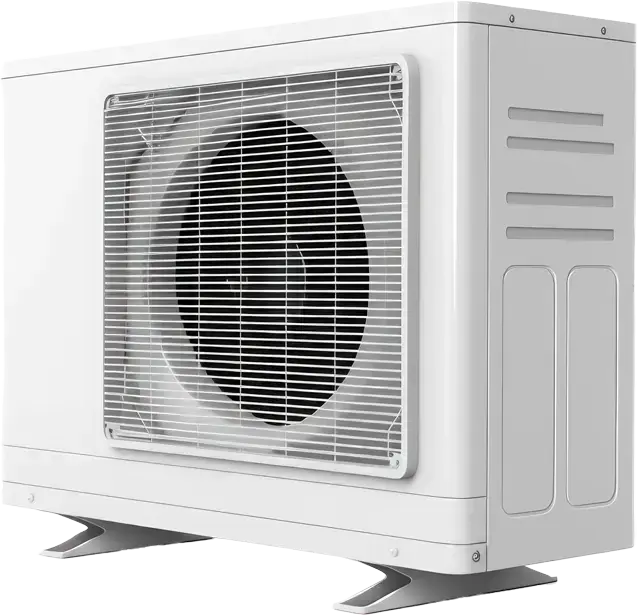
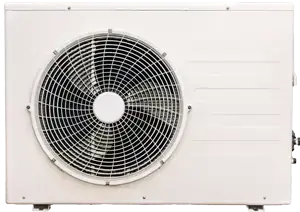
Then there is the outdoor condenser itself. In the Phoenix metro area, dust, debris, and heat put a lot of stress on exterior AC components. If the condenser coil is dirty or the fan motor is failing, the system cannot release heat effectively. The result is weak cooling, high energy use, and more wear on the equipment.
What you can check before calling for service
There are a few basic things homeowners can look at before scheduling a repair. These checks are simple, safe, and worth doing because they sometimes solve the issue right away.
Start with the thermostat. Make sure it is set to cool, not fan or heat, and that the temperature setting is below the current room temperature. If your thermostat uses batteries, replace them. It sounds basic, but thermostat problems are often surprisingly simple.
Next, check the air filter. If it looks packed with dust, replace it. A clean filter helps airflow, system efficiency, and indoor air quality. In homes with pets, ongoing remodeling, or high dust levels, filters may need to be changed more often than many homeowners expect.
Then look at the breaker panel. If the AC breaker has tripped, reset it once. If it trips again, stop there. Repeated breaker trips usually point to an electrical or mechanical problem that needs professional diagnosis.
You can also inspect the outdoor unit visually. If it is covered in leaves, dirt, or debris, gently clear the area around it so air can circulate properly. If the unit is iced over, turn the system off and switch the fan on to help thaw it. Ice is a sign of an underlying problem, though, so thawing it does not mean the issue is fixed.
When warm air means a bigger repair issue
Some AC problems are not DIY-friendly, and trying to push the system through them can make things worse. If your unit is blowing warm air consistently, making unusual noises, leaking water, or cycling on and off too often, it is time for a professional inspection.
Refrigerant issues are a good example. Low refrigerant does not just happen on its own in a sealed system. If levels are low, there is a leak that needs to be found and repaired. Handling refrigerant also requires proper licensing, tools, and testing.
Frozen coils are another case where the symptom can hide the real cause. Yes, turning the system off may melt the ice. But the reason it froze in the first place could be poor airflow, a blower issue, a refrigerant leak, or a metering problem. Without the right diagnosis, the same failure usually comes back.
Compressor problems are more serious. The compressor is one of the most important parts of the air conditioning system, and when it starts failing, cooling drops fast. In some cases, repair makes sense. In others, especially with older systems, replacement may be the smarter long-term investment. It depends on the age of the unit, warranty status, repair cost, and overall condition.
Why Phoenix heat makes AC issues more urgent
Air conditioners work hard everywhere, but desert heat changes the stakes. In Phoenix-area homes, your AC is not just about comfort. It protects your indoor environment, helps manage humidity levels, supports better sleep, and keeps your home livable during extreme temperatures.
That constant strain also means small issues can escalate quickly. A filter that has been ignored for too long, a capacitor that is weakening, or a low refrigerant charge may not seem dramatic at first. But under triple-digit conditions, those problems can push a system past the point where it can keep up.
This is one reason regular maintenance matters so much in Arizona. Preventive service helps catch worn parts, airflow restrictions, dirty coils, and performance issues before they turn into a breakdown on the hottest week of the year.
Repair or replace if your AC is not blowing cold air?
This is one of the most common questions homeowners ask, and the answer depends on the full picture. If your system is relatively new and the issue is isolated, repair is often the right move. A failed capacitor, clogged drain line, dirty coil, or thermostat problem can usually be corrected without major disruption.
If your system is older, needs frequent repairs, or has major component failure, replacement may be more cost-effective. That is especially true if energy bills have been climbing and your home still struggles to stay cool. A new high-efficiency system can improve comfort, lower operating costs, and reduce the risk of repeated breakdowns.
There is also a middle ground. Sometimes an AC is not ready for replacement, but it does need more than a quick fix. Duct issues, poor airflow, insulation gaps, and thermostat placement can all affect comfort. A good HVAC company looks at the whole system, not just the outdoor unit.
How to prevent cooling problems in the future
Most AC failures are not completely random. Many start with reduced airflow, neglected maintenance, dirty components, or worn electrical parts that give warning signs before they fail.
Staying ahead of those issues is usually simpler and less expensive than dealing with an emergency repair. Change filters on schedule, keep the area around the outdoor unit clear, and pay attention to changes in airflow, noise, and cooling performance. If some rooms are warmer than others or the system is running longer than usual, those are signs worth checking early.
Professional maintenance is one of the best ways to prevent the classic AC not blowing cold air scenario. A thorough tune-up can uncover refrigerant problems, electrical wear, coil buildup, drainage issues, and blower performance concerns before they affect your comfort.
For homeowners in Chandler, Gilbert, Mesa, Ahwatukee, Queen Creek, Sun Lakes, and across the Phoenix metro area, fast service matters when cooling problems show up. Climate Pro helps homeowners get clear answers, honest recommendations, and repairs that solve the problem instead of masking it.
If your AC is running but your home still feels hot, trust what your house is telling you. The sooner you address it, the better your chances of avoiding a bigger repair when you need cool air the most.
 Brio M.