Sticker shock usually hits when a homeowner asks for one simple number and gets back, “It depends.” With ductless mini split installation cost, that answer is honest – but it should still come with real context. If you live in the Phoenix metro area and need efficient cooling in a hot bedroom, garage, casita, or older home without ductwork, a mini split can be a smart investment. The key is understanding what drives the price before you schedule the work.
What is the average ductless mini split installation cost?
For most homeowners, ductless mini split installation cost falls somewhere between about $3,500 and $12,000 or more, depending on the size of the system and the number of indoor units. A single-zone system for one room is usually at the lower end of the range. A multi-zone setup designed to cool several rooms can climb quickly because it requires more equipment, more labor, and more planning.
That wide range is the reason online pricing can feel frustrating. One article may quote a low starting price that only applies to a basic single-zone installation. Another may quote a premium figure based on a larger, high-efficiency system. Both can be technically true, but neither tells you much unless you know what your home actually needs.
In Arizona, sizing matters even more than many homeowners expect. A room that might need modest cooling in another state can need significantly more capacity here because of prolonged summer heat, sun exposure, insulation levels, and how the space is used.
Why mini split prices vary so much
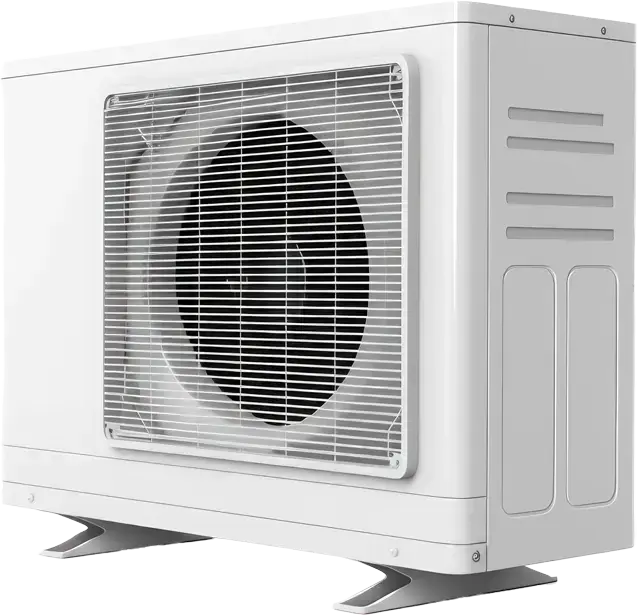
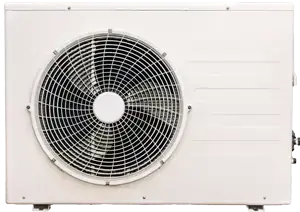
The biggest cost factor is whether you need a single-zone or multi-zone system. A single-zone mini split has one outdoor unit connected to one indoor air handler. This is common for a master bedroom addition, enclosed patio, garage workspace, or detached office. A multi-zone system connects several indoor units to one outdoor unit, which gives you room-by-room comfort but raises the project cost.
Equipment quality also plays a major role. Entry-level systems cost less upfront, but premium brands and high-efficiency models usually offer better performance, quieter operation, stronger warranties, and lower energy use. That does not mean the most expensive option is always the right one. It means you should compare the long-term value, not just the installation price.
Labor can also shift the total. A simple installation on an exterior wall with easy electrical access is very different from a project that requires a long line set run, attic work, a roof penetration, panel upgrades, or custom condensate drainage. The cleaner and more accessible the installation path, the lower the labor burden tends to be.
Cost by system type and home setup
Single-zone mini split cost
A single-zone ductless system is usually the most affordable path into mini split comfort. Homeowners often choose this option when they have one problem area that never gets comfortable with the main system. Think bonus rooms, Arizona rooms, garages, home gyms, or a bedroom that stays warmer than the rest of the house.
Installed cost often lands between $3,500 and $6,500, though premium systems or more complex jobs can go higher. If the room is small, access is straightforward, and your electrical setup is already in good shape, the project may stay close to the lower end.
Multi-zone mini split cost
If you want to condition several rooms independently, a multi-zone system may make more sense. These systems can be excellent for older homes without ducts, split floor plans, casitas, or households that want personalized temperature control.
Installed cost often starts around $7,000 and can exceed $12,000 depending on how many indoor heads are needed, the system capacity, and installation complexity. More zones mean more materials, more refrigerant lines, more wall penetrations, and more time on site.
Garage, casita, and addition installations
These are common applications in the Phoenix area, and they each come with their own pricing considerations. A garage conversion may need more cooling capacity than expected because of poor insulation and heat gain. A casita may require a more polished finished look and careful line concealment. A room addition might need coordination with ongoing remodeling work.
Those details affect cost, but they also affect comfort. A low price on paper does not help much if the system is undersized or installed without addressing insulation and airflow issues.
What affects ductless mini split installation cost most?
System size and capacity
Mini splits are sized in BTUs, and proper sizing is critical. Too small, and the system will struggle during the hottest part of the day. Too large, and you can end up with short cycling, uneven comfort, and wasted energy. In the Phoenix area, accurate load calculations matter because extreme outdoor temperatures expose sizing mistakes fast.
Number of indoor units
Every additional indoor unit adds equipment and labor. It also increases the need for thoughtful design. Placement matters for both comfort and appearance, especially in living rooms, bedrooms, and open-concept layouts.
Efficiency rating
Higher SEER2 and HSPF2 ratings usually mean higher upfront cost but better operating efficiency. If you plan to use the system heavily for cooling, the monthly utility savings may justify spending more on a higher-efficiency unit.
Electrical work
Some homes can accommodate a mini split easily. Others need a new circuit, disconnect, or panel modifications. Electrical upgrades can add hundreds or even thousands of dollars to the project depending on the condition and capacity of the existing service.
Installation complexity
Distance between indoor and outdoor units, wall construction, drainage requirements, line-hide materials, roof or attic access, and code compliance all influence labor cost. A neat, professional installation is not just about looks. It helps protect system performance and serviceability over time.
Are mini splits worth the cost in Arizona?
For many homeowners, yes – especially when central ductwork is not practical or when certain rooms never cool properly. Ductless systems can provide targeted comfort without the energy losses that often come with leaky or poorly designed ducts. They also let you cool occupied spaces instead of conditioning every room all day.
That said, they are not automatically the best answer for every house. If your existing ducted system is undersized, your attic insulation is poor, or your home has major air leakage issues, a mini split may solve one comfort problem while leaving bigger efficiency problems untouched. The best contractors look at the whole picture before making a recommendation.
This is one reason homeowners often appreciate working with a full-service HVAC company rather than a contractor who only installs one product type. If a mini split is the right fit, great. If another approach will serve your home better, you want that honesty upfront.
How to compare estimates without getting misled
When you review proposals, look beyond the total price. Ask what equipment is included, what capacity is being recommended, whether electrical work is included, and how the installer plans to handle line routing and condensate drainage. Also ask about warranty coverage, labor warranty, and whether the system is being sized specifically for your home.
A lower bid can become expensive if it leaves out critical work or uses equipment that is not ideal for Arizona conditions. On the other hand, the highest bid is not automatically the best one either. You want clear scope, quality installation practices, and confidence that the company will stand behind the work.
Financing can also be part of the decision. For many homeowners, spreading the cost over manageable payments makes it easier to choose the right system instead of settling for the cheapest one available.
Ways to keep mini split installation costs under control
The best savings usually come from smart planning, not corner-cutting. If you only need comfort in one area, a single-zone system may be enough. If you are remodeling or adding a room, installing the system during the project can sometimes reduce labor complexity. If your home needs insulation or air sealing improvements, handling those issues first may allow for better system performance and potentially better sizing.
It also helps to choose a contractor who evaluates more than square footage. Proper sizing, load calculations, equipment matching, and clean installation practices protect your investment far better than a rushed low-price install.
For Phoenix-area homeowners, the real goal is not just lowering the upfront number. It is getting dependable cooling through extreme heat without constant repairs, uneven temperatures, or surprise utility bills.
Final thought on ductless mini split installation cost
Ductless mini split installation cost can vary a lot, but the right system should make sense on both comfort and value. If your home has a stubborn hot room, a new addition, a casita, or a space without ductwork, a properly designed mini split can be one of the most effective upgrades you make. The best next step is a detailed in-home evaluation from a trusted local HVAC team that will explain your options clearly and size the system for the way you actually live.
 Lina B.