If you are researching how to install a new HVAC system, you are probably at the point where a repair no longer makes sense – or you are building, remodeling, or trying to stop the cycle of high summer bills and uneven cooling. In the Phoenix metro area, that decision carries real weight. When outdoor temperatures stay extreme for long stretches, the quality of the installation matters just as much as the brand on the equipment.
For most homeowners, the real question is not whether a system can be installed. It is whether it will be installed correctly for the house, the ductwork, and the way the family actually lives in the home. A poorly installed unit can leave you with hot rooms, short cycling, noise, air quality issues, and energy waste even if the equipment itself is brand new.
How to install a new HVAC system starts with sizing
The first step in how to install a new HVAC system is not setting equipment in place. It is figuring out what the home actually needs. That means evaluating square footage, insulation levels, window exposure, ceiling height, duct layout, occupancy, and heat gain. In Arizona, solar load and attic conditions can have a huge impact on system performance.
This is where many installations go wrong. Some contractors replace the old unit with the same size and move on. That sounds simple, but older systems are often oversized, undersized, or paired with ductwork that was never corrected. Proper load calculations help determine whether the home needs a different capacity, a variable-speed system, a heat pump, a ductless setup, or added airflow improvements.
A new system should match the home, not just the old nameplate.
Choosing the right type of system
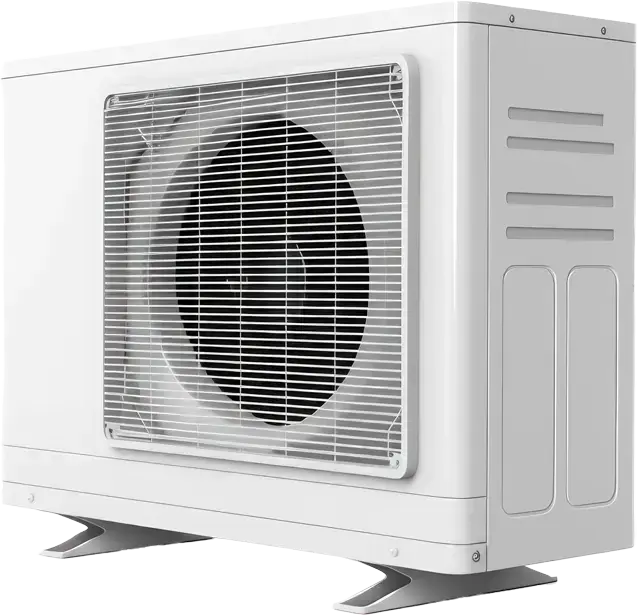
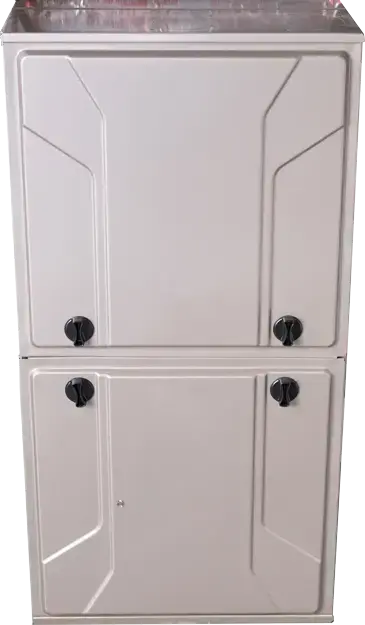
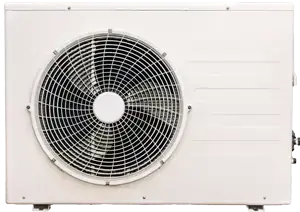
Once sizing is confirmed, the next step is selecting the equipment configuration. For many Phoenix-area homes, that means a split central air system with an indoor air handler or furnace and an outdoor condenser. In other homes, a heat pump may be the better fit, especially for homeowners who want efficient electric heating and cooling in one system.
Ductless mini-splits make sense in additions, garages, casitas, or homes with persistent hot and cold spots. They can also be a strong option when ductwork is limited or inefficient. The trade-off is that ductless systems are excellent for zone control, but they are not always the best answer for every whole-home layout.
Efficiency ratings matter too, but they should be considered alongside installation quality, utility costs, and budget. A high-efficiency unit installed on poor ductwork will not deliver the savings most homeowners expect. Sometimes a moderately efficient system installed correctly produces better comfort and better value over time.
Ductwork can make or break the installation
Before a new system goes in, the duct system should be inspected carefully. This step gets overlooked more often than it should. Leaky ducts, crushed runs, poor return air design, dirty plenums, and weak attic insulation can all reduce performance.
If you are learning how to install a new HVAC system, understand this early: the equipment is only part of the job. Conditioned air still has to move through the house properly. If airflow is restricted, rooms can stay warm, humidity control may suffer, and the system can wear out faster.
In some homes, the right installation includes duct sealing, duct resizing, adding returns, or correcting balance issues. That adds cost up front, but it can prevent years of frustration. This is especially true in two-story homes, older homes, and homes with rooms that never seem to cool evenly.
Permits, code requirements, and removal of old equipment
Once the system design is finalized, the old equipment is removed and the project moves into the installation phase. A professional replacement usually includes recovering refrigerant properly, disconnecting electrical service safely, removing the old indoor and outdoor components, and disposing of materials according to regulations.
Permits and code compliance matter here. HVAC installation is not just a swap of metal boxes. It involves electrical connections, refrigerant lines, drain design, clearances, airflow standards, and in some cases gas connections or venting requirements. Skipping permit requirements can create problems later during resale, inspections, or warranty claims.
A dependable contractor will also evaluate the pad, line set, disconnect, condensate drain, filter cabinet, and thermostat wiring before the new equipment is set.
What happens during the actual HVAC installation
The installation itself depends on the type of system, but the process typically follows a clear sequence. The indoor and outdoor units are set in place, refrigerant lines are connected or replaced, electrical connections are completed, the drain system is built or updated, and the thermostat is installed or reconfigured.
If the job is done right, this is not rushed. The line set may need to be replaced rather than reused, especially if it is contaminated, undersized, or incompatible with the new refrigerant requirements. The evaporator coil must be matched correctly with the outdoor unit. Airflow settings should be adjusted based on system size and duct static pressure, not guessed.
This is also where craftsmanship shows. Proper brazing, pressure testing, vacuuming the system to remove moisture and non-condensables, and charging refrigerant to manufacturer specifications are essential. These are not small technical details. They directly affect efficiency, reliability, and compressor life.
Startup, testing, and balancing are part of the job
A new HVAC system is not really installed when the equipment turns on. It is installed when it has been started up, tested, and dialed in. That includes checking refrigerant charge, temperature split, static pressure, blower settings, amp draw, thermostat operation, safety controls, and condensate drainage.
Rooms should also be evaluated for airflow and balance. If one side of the home gets noticeably less cooling, that should be addressed before the job is considered complete. In desert climates, where AC demand is relentless, small setup errors can become major comfort problems fast.
A quality installer should also walk the homeowner through the new system. That means explaining filter changes, thermostat settings, maintenance needs, warranty details, and what to watch for during the first few weeks of operation.
DIY vs professional installation
Homeowners sometimes search how to install a new HVAC system because they are wondering whether they can do part of it themselves. The short answer is that full HVAC installation is a professional job. There are too many safety, code, refrigerant, and performance variables involved.
A homeowner may be able to handle related tasks like clearing access, improving attic insulation, or learning how to use a smart thermostat. But equipment selection, refrigerant charging, electrical work, airflow setup, and startup testing should be left to licensed professionals. A mistake in any of those areas can damage the system, reduce efficiency, or create safety issues.
There is also the warranty issue. Many manufacturers require installation by qualified contractors and proper documentation to keep coverage valid.
What homeowners should ask before installation day
The smartest approach is to ask a few direct questions before signing off on the job. Ask whether the system was sized with a load calculation. Ask whether the ductwork was inspected. Ask whether permits are included. Ask what parts are being replaced versus reused, and why.
It also helps to ask how startup testing will be handled and whether airflow and static pressure will be checked. These are signs that the company is focused on system performance, not just equipment replacement. For homeowners in Chandler, Gilbert, Mesa, and across the Valley, that level of detail matters because the cooling season is too long and too demanding for shortcuts.
Financing can be part of the conversation too. A better installation with the right accessories, duct improvements, or indoor air quality upgrades may cost more initially, but the monthly comfort and operating savings can make the investment easier to justify.
The goal is not just a new unit
The best installations deliver more than cold air. They create stable temperatures, lower strain on the system, quieter operation, cleaner airflow, and confidence that the home will stay comfortable when the heat is at its worst. That takes planning, testing, and accountability.
At Climate Pro, LLC, we see the difference every day between a fast equipment changeout and a true system installation. Homeowners deserve the second one. If you are replacing an aging unit, take the time to make sure the new system is designed for your home, your ductwork, and your long-term comfort – not just installed to get through another summer.
 Sheila R.