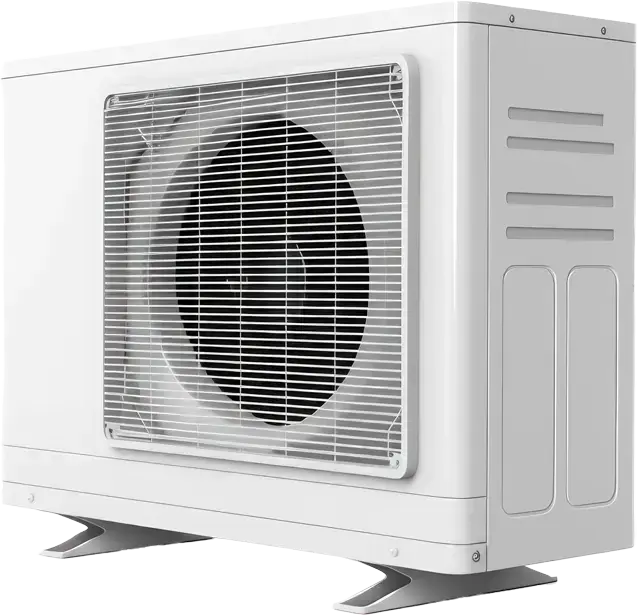
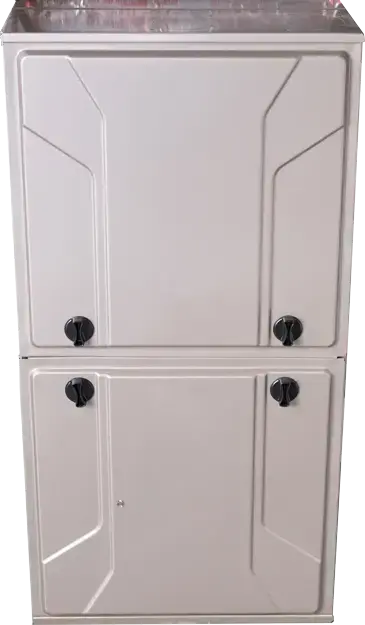
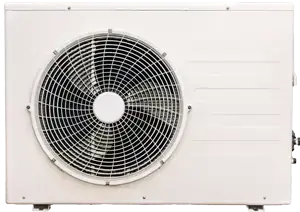
Sticker shock hits fast when an AC quote lands in your inbox in the middle of a Phoenix summer. If you’re asking how much does it cost to install new ac system equipment, the honest answer is usually somewhere between $6,500 and $15,000 for most homes – but your final price depends on far more than the box sitting outside.
In the Phoenix metro area, a basic replacement for a standard central air conditioning and heating split system often starts around the lower end of that range. A higher-efficiency system, a heat pump, ductwork upgrades, attic insulation improvements, air balancing, or indoor air quality add-ons can push the project higher. That does not mean you’re being overcharged. It usually means the job is being sized and built for your home instead of treated like a one-size-fits-all swap.
How much does it cost to install new AC system equipment in Phoenix?
For most homeowners, the cost falls into a few broad ranges. A straightforward changeout, where existing ductwork is in good condition and the system size is staying the same, is often the least expensive option. That kind of project may land around $6,500 to $9,000 depending on brand, efficiency, and labor complexity.
A more complete installation with upgraded efficiency, a variable-speed air handler or furnace, smart thermostat controls, and minor duct modifications often falls in the $9,000 to $12,500 range. Larger homes, premium systems, or homes that need duct repairs, electrical updates, zoning, or indoor air quality improvements can easily move into the $12,500 to $15,000-plus range.
If you’re replacing an older system in a two-story home, dealing with hot rooms, or trying to lower high summer utility bills, it makes sense to look beyond the cheapest number on the page. Lower upfront cost can mean higher operating cost, less comfort, and a shorter equipment lifespan.
What actually drives AC installation cost?
The biggest factor is system type and efficiency. A standard single-stage unit usually costs less than a two-stage or variable-speed system. Higher SEER2 ratings generally mean higher upfront pricing, but they can reduce monthly cooling costs, especially in Arizona where air conditioners work hard for much of the year.
Home size matters too, but square footage alone is not enough. A 2,000-square-foot home with poor insulation, leaky ducts, west-facing windows, and high ceilings may need a different solution than another home with the same square footage. Proper load calculations are what separate a dependable installation from a guess.
Ductwork can change the price quickly. If your ducts are leaking, undersized, poorly insulated, or routed inefficiently through a super-heated attic, installing new equipment without addressing airflow issues may leave you with the same comfort problems you had before. In some homes, duct sealing or redesign is optional. In others, it’s the reason the old system struggled in the first place.
Labor complexity also plays a role. Tight attic access, older electrical components, crane lifts, code upgrades, refrigerant line replacement, condensate drain improvements, and permit requirements all affect total cost. Good contractors include these items because they protect performance and reliability. Low bids sometimes leave them out until the job is underway.
Why Phoenix homeowners often pay more than expected
Desert heat changes the conversation. In cooler parts of the country, homeowners can get by with basic equipment choices and still feel comfortable most of the year. In Phoenix, your AC system is not a luxury item. It is one of the hardest-working systems in your home.
That means installation quality matters just as much as equipment brand. A poorly sized or badly installed unit may short cycle, run constantly, leave uneven temperatures from room to room, and burn through energy. In extreme heat, those mistakes show up fast.
Many homes in the Valley also have attic conditions that punish HVAC equipment and ductwork. High attic temperatures, weak insulation, and airflow problems can turn what looks like a simple replacement into a larger home performance upgrade. It may raise the initial cost, but it often solves the actual problem instead of hiding it.
Cheap quote vs. better value
A low quote is appealing, especially when replacement happens unexpectedly. But a cheaper installation is not always the better deal. If a contractor skips duct evaluation, installs the same size unit without testing the home, or uses lower-tier components to hit a price point, you may save at first and pay for it later through repairs, poor comfort, and higher utility bills.
Better value comes from a system that is sized correctly, installed cleanly, and matched to your home’s needs. That could mean a higher-efficiency unit for a household that keeps the thermostat low all summer. It could also mean staying with a more basic system if your home, usage, and budget do not justify the extra upfront investment. Honest guidance matters here.
Should you replace just the AC or the full system?
This is one of the most common pricing questions. If your air conditioner is failing but your indoor equipment is older too, replacing only the outdoor condenser may not be the smartest move. Mismatched components can reduce efficiency and performance, and older indoor parts can become the next breakdown waiting to happen.
A full system replacement costs more upfront, but it often gives you better reliability, stronger warranty protection, and more predictable performance. If your furnace or air handler is close to the same age as the AC, replacing both together is often the more cost-effective long-term decision.
Heat pump, central AC, or ductless?
If you are comparing options, system type affects price and comfort. Traditional central AC with a furnace or air handler is still common and works well in many Arizona homes. Heat pumps are becoming more attractive because they can cool and heat efficiently in our climate.
Ductless systems can be a smart fit for additions, garages, casitas, or homes with specific hot and cold spots. They are not always the cheapest whole-home solution, but they can be excellent when ductwork is limited or certain zones need independent control.
The best option depends on how your home is built, how long you plan to stay, and whether you want to solve a simple equipment issue or improve comfort across the whole house.
How to budget for a new AC system without guessing
Start with the idea that the quote should explain the why, not just the price. You should know what equipment is being installed, what efficiency level you’re getting, whether ductwork is being evaluated, what accessories are included, and whether permits and code items are part of the proposal.
It also helps to ask what is likely to change your price. Sometimes the answer is nothing. Other times, once the contractor inspects airflow, insulation, or electrical components, they may recommend additional work. That should be explained clearly, not buried in fine print.
Financing can make a major difference for homeowners who need to replace a system before it fails completely. It can allow you to choose the right system for your home instead of the cheapest emergency option available that day. For many families, that is what turns a stressful replacement into a manageable upgrade.
When replacement makes more sense than repair
If your system is 10 to 15 years old, needs frequent repairs, uses outdated refrigerant, or struggles to keep up during peak summer heat, replacement often becomes the better investment. This is especially true when repair costs stack up while comfort keeps getting worse.
A good contractor should not push replacement when a reasonable repair will do the job. But they should be candid when repairs are turning into a pattern. Homeowners deserve to know when they are putting money into a system that is near the end.
For Phoenix-area homeowners, that honesty matters. Climate Pro, LLC works with homeowners every day who are trying to balance urgency, budget, efficiency, and peace of mind. The right answer is not always the lowest quote or the highest-end system. It is the system that fits the home and holds up when the temperature spikes.
If you’re getting estimates, look for clear pricing, real load calculations, attention to ductwork and airflow, and a contractor who explains trade-offs without pressure. A new AC system is a major investment, but when it’s designed and installed correctly, it pays you back in comfort every single day you need it most.
 Phil F.