When your AC seems to run all afternoon and your utility bill still jumps, the problem usually is not just the heat. In Arizona, knowing how to reduce cooling bills often comes down to how well your home holds conditioned air, how efficiently your system moves it, and whether your equipment is working harder than it should.
A lot of homeowners assume the answer is to keep raising the thermostat and live with less comfort. That can help a little, but it is rarely the full fix. The bigger savings usually come from addressing the hidden causes – air leaks, poor insulation, dirty components, leaky ducts, and aging equipment that can no longer keep up efficiently.
How to reduce cooling bills without sacrificing comfort
The most effective approach is to stop your home from wasting cooled air before your AC has to make more of it. If your thermostat is set reasonably but certain rooms stay warm, or your system runs for long stretches without much relief, there is a good chance the issue is efficiency, not simply outdoor temperature.
Start with thermostat settings that are realistic for your household. Many homes do well around 78 degrees when occupied, then a few degrees higher when the house is empty. The key is consistency. Large temperature swings can force your system to work harder trying to recover during the hottest part of the day. A WiFi thermostat can help by adjusting settings automatically based on your schedule instead of relying on guesswork.
Ceiling fans also matter more than many people realize. Fans do not lower the room temperature, but they help people feel cooler, which means you may be comfortable at a higher thermostat setting. That small adjustment, maintained over a long Phoenix summer, can make a noticeable difference on monthly costs.
Your AC may be wasting energy even if it still cools
A system does not need to stop working completely to become expensive to operate. In fact, some of the costliest systems are the ones that still run but do so inefficiently every day.
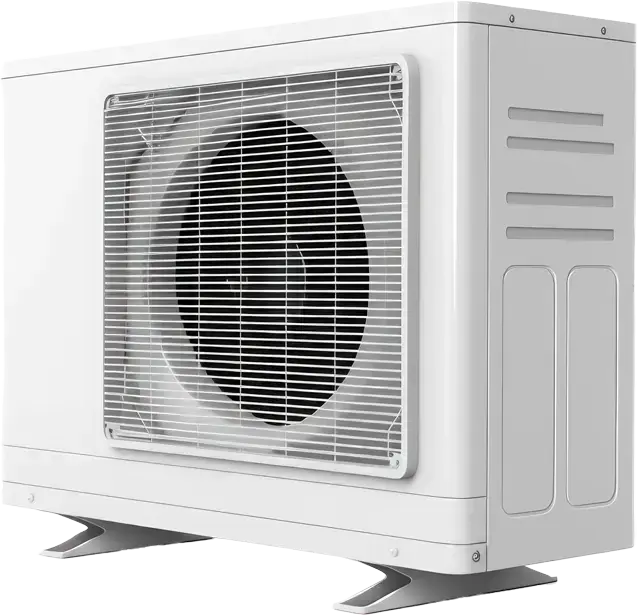
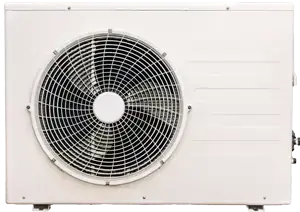
Dirty condenser coils, clogged filters, low refrigerant, and worn electrical components all reduce performance. When that happens, your AC uses more energy to produce the same level of cooling. You may notice longer run times, uneven temperatures, higher indoor humidity, or weak airflow from vents.
Regular maintenance helps catch these issues early. A professional tune-up can improve efficiency, extend equipment life, and reduce the chances of a mid-season breakdown. In a market like Chandler, Gilbert, Mesa, and surrounding areas, where air conditioners carry a serious workload for much of the year, skipping maintenance tends to show up quickly on the electric bill.
If you have not changed your air filter recently, that is the easiest place to start. A dirty filter restricts airflow, which can strain the entire system. Depending on the filter type, pets, and indoor dust levels, replacement may be needed every 30 to 90 days.
Duct leaks can quietly drive up cooling costs
One of the most overlooked answers to how to reduce cooling bills is fixing the duct system. If your ducts leak in the attic, some of the cooled air you are paying for never reaches the living space. Instead, it escapes into a brutally hot area above your ceiling while your AC keeps running to make up the difference.
This is especially common in older homes or homes with ductwork that was never properly sealed and balanced. Signs include hot and cold spots, dusty rooms, weak airflow in certain areas, and high cooling bills that do not match your thermostat habits.
Professional duct sealing can make a meaningful difference. In some homes, advanced sealing methods can reduce air loss far beyond what tape or basic patching can accomplish. Air balancing also matters. If one part of the home gets too much airflow and another gets too little, the system may run longer than necessary because comfort is not evenly distributed.
Insulation and attic conditions play a bigger role than most people think
In Arizona homes, the attic can become a major source of heat gain. If insulation is thin, uneven, or outdated, that heat transfers into the living space and forces your AC to fight a constant uphill battle.
You can have a decent air conditioner and still deal with high bills if the home envelope is weak. That is why insulation upgrades often pair well with HVAC improvements. Better attic insulation slows heat transfer and helps the home maintain a stable indoor temperature for longer periods.
It depends on the age and construction of the home, but many homeowners see stronger results from combining AC service with insulation and duct improvements rather than focusing on the equipment alone. A high-efficiency unit cannot fully overcome a home that leaks air and absorbs heat all day.
Window coverings help too. Closing blinds or blackout curtains during the sunniest hours can reduce solar heat gain, especially on west-facing windows. It is a simple move, but in rooms that get direct afternoon sun, it can noticeably ease the load on the system.
Older AC systems often cost more than they appear to
If your air conditioner is 10 to 15 years old, it may still be cooling, but that does not mean it is doing the job efficiently. Older equipment generally uses more energy, and wear over time reduces performance even further.
At some point, repeated repairs and high utility bills start to outweigh the cost of replacement. This is especially true if the system struggles to keep the home comfortable during peak summer heat or if breakdowns are becoming more frequent.
A newer high-efficiency system can lower operating costs, but only if it is correctly sized and installed. Bigger is not automatically better. An oversized unit may short cycle, which can reduce efficiency and wear out components faster. An undersized system may run constantly and still fail to keep up. Proper load calculations, airflow setup, and installation quality matter just as much as the equipment rating.
For some homes, a heat pump or ductless solution may be the better fit, especially for additions, garages, or rooms with persistent comfort issues. The right answer depends on the home layout, insulation levels, existing duct condition, and how you actually use the space.
Small habits that help reduce cooling bills
Some savings come from upgrades, but daily habits matter too. Running heat-producing appliances like ovens, dryers, and dishwashers during the evening can reduce indoor heat buildup during the hottest part of the day. Sealing gaps around doors and windows can prevent conditioned air from slipping out. Keeping supply vents open and unobstructed allows airflow to move the way the system was designed.
It is also worth checking whether furniture, rugs, or curtains are blocking return or supply vents. Restricted airflow can create pressure imbalances and make rooms feel warmer than they should.
If you have rooms you rarely use, the solution is not always to close vents. In many systems, that can disrupt airflow and increase strain. This is one of those areas where a quick professional evaluation is smarter than trial and error.
When high cooling bills point to a bigger home performance issue
Sometimes the bill is not caused by one problem. It is the combined effect of several moderate issues – a slightly low refrigerant charge, minor duct leakage, aging insulation, a dirty coil, and a thermostat strategy that is not helping. Each one alone may seem small, but together they can make your system far more expensive to run.
That is why the best path is often a whole-home view rather than a single quick fix. If your energy costs have been climbing, your home feels uneven, or your AC seems to run nonstop, a professional inspection can identify what is really driving the waste. Climate Pro works with homeowners across the Phoenix metro who want more than a temporary patch – they want a home that cools properly, runs efficiently, and stays dependable through the hottest months.
Learning how to reduce cooling bills is really about reducing unnecessary strain on your home and your AC. When the system is maintained, the ducts are tight, the airflow is balanced, and the home is better protected from heat gain, comfort gets easier and your monthly costs have a much better chance of coming down.
 Brio M.