If your AC has started limping through another Phoenix summer, replacement stops being a someday project and becomes a comfort decision with real urgency. This homeowner guide to AC replacement is built for Arizona homeowners who need clear answers before a failing system turns into a full-day emergency.
When AC replacement makes more sense than another repair
Most homeowners do not wake up wanting to buy a new air conditioner. They call for a repair, hope for a reasonable fix, and want the house cool again fast. That is why the real question is not whether a system can be repaired. It is whether repairing it is still the smart move.
Age matters. Once a central AC system gets into the 10 to 15 year range, breakdowns usually become more frequent, parts can get harder to source, and efficiency starts falling behind newer equipment. In the Phoenix area, extreme heat pushes systems harder and longer than in many other parts of the country, so wear adds up fast.
Repair history matters just as much as age. If you have paid for multiple service calls over the last two summers, you are not just dealing with bad luck. You may be looking at a system that is becoming unreliable. A one-time capacitor or contactor replacement is one thing. A pattern of refrigerant issues, compressor trouble, blower motor failures, or repeated no-cool calls is another.
Energy bills can also tell the story. If your usage habits have not changed much but your summer electric bills keep climbing, your AC may be working harder to produce less cooling. That is often a sign that replacement deserves serious consideration.
A homeowner guide to AC replacement costs
The number most people want first is price, but AC replacement is never one flat number. Cost depends on the equipment you choose, the size of your home, your ductwork condition, efficiency ratings, installation complexity, and whether other components need to be replaced at the same time.
A changeout can be straightforward if the existing setup is in good condition and properly sized. It gets more involved when duct leaks, poor airflow, attic heat, insulation issues, or an undersized return are part of the problem. In those cases, the equipment is only part of the solution.
That is why low-price quotes can be misleading. A cheaper install may leave underlying airflow or duct issues untouched, which means your new system still has to fight the same comfort problems as the old one. The better question is not just, “What does it cost?” It is, “What am I getting, and will it actually solve the problem?”
For many homeowners, financing is part of the conversation. That is normal. Replacing an AC in Arizona is not a luxury purchase. It is a major home system that affects safety, comfort, indoor air quality, and monthly energy use.
Choosing the right size and efficiency
Bigger is not always better. This is one of the most common misconceptions in AC replacement.
An oversized system may cool the house too quickly without running long enough to balance temperatures properly or manage humidity as well as it should. An undersized system can run constantly and still struggle during peak heat. Proper sizing should be based on your home’s actual needs, not just the tonnage of the old unit.
A good contractor should look at square footage, insulation levels, window exposure, duct design, ceiling height, and other heat-load factors. In hot areas like Chandler, Gilbert, and Mesa, that sizing work matters even more because the system has to perform under extreme demand.
Efficiency is another balancing act. Higher SEER2 ratings can lower operating costs, but the highest-efficiency option is not automatically the best fit for every homeowner. If you plan to stay in your house long term, investing more upfront may make sense. If you are focused on managing initial cost while still upgrading reliability, a solid mid-range system may be the smarter value.
Don’t ignore the ductwork
Many AC replacement problems are not equipment problems alone. They are airflow problems.
Leaky ducts, poor return air design, crushed flex duct, and imbalance between rooms can make even a brand-new system feel disappointing. If some rooms are always hot, the second floor never cools evenly, or the system seems to run forever in the afternoon, ductwork should be part of the evaluation.
This is where homeowners can save themselves frustration. If your contractor only talks about the outdoor unit and indoor coil, you may not be getting the full picture. A complete replacement assessment should consider how air moves through the house, not just how cold the equipment can get.
Sometimes the answer is basic duct repair. Sometimes it is air balancing, added returns, attic insulation improvements, or sealing duct leakage. Those upgrades can improve comfort as much as the new AC itself.
What type of system should you install?
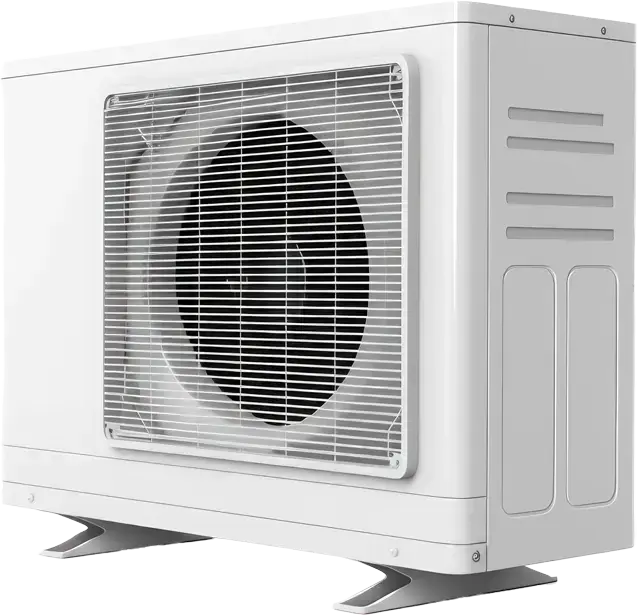
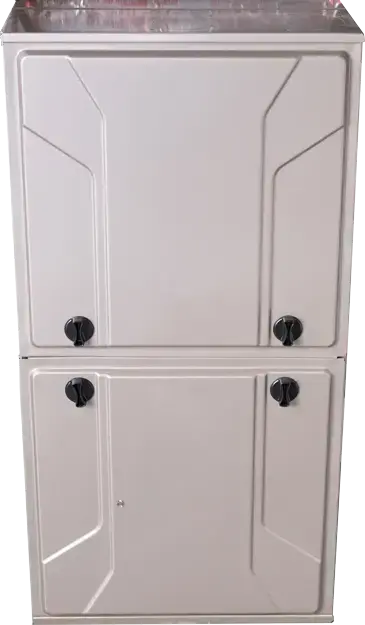
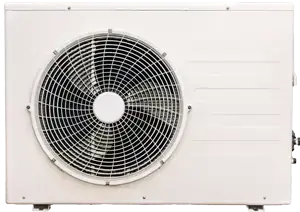
For most homes, a central air conditioning system with matched indoor and outdoor components is still the standard choice. If your existing setup has served the home well and your ductwork is in good shape, replacing with a new high-efficiency central system is often the most practical route.
If you have problem areas such as a garage conversion, an addition, or rooms that never stay comfortable, a ductless system may be worth considering for targeted cooling. Heat pumps are also becoming a more attractive option for homeowners who want efficient electric heating and cooling in one system.
The right answer depends on your house, your budget, and how you use the space. What works perfectly in one home may be the wrong fit in another.
What to expect during the replacement process
A professional AC replacement should not feel confusing. You should know what is being installed, why it was recommended, how long the work should take, and whether any duct or electrical updates are needed.
In most cases, installation can be completed in a day, though more complex jobs may take longer. The old equipment is removed, the new system is installed and connected, refrigerant levels are set properly, airflow is checked, and thermostat operation is confirmed. Final testing should verify that the system is cooling correctly and performing as intended.
This is also the time to ask about filtration, indoor air quality options, and thermostat upgrades. If you are replacing an aging AC, it may be the right opportunity to improve control, air cleaning, or room-to-room comfort.
How to compare AC replacement quotes without getting burned
Not all proposals are equal, even when the equipment brand looks similar on paper.
Look at what is included. Does the quote cover permits if required, haul-away, new pad or drain components, thermostat compatibility, and startup testing? Does it mention duct inspection or airflow evaluation? Does the contractor explain warranty coverage clearly?
Also pay attention to how the recommendation was made. A trustworthy contractor should inspect the system, ask about comfort issues, and explain options in plain language. If someone gives you a price without evaluating the house carefully, that is a red flag.
Homeowners should also weigh responsiveness and accountability. When you are replacing a major system, service after the installation matters. So does the company’s reputation for showing up, standing behind the work, and resolving issues if something is not right. That is one reason many Arizona homeowners look for established local companies with strong reviews, clear pricing, and real follow-through, like Climate Pro.
Timing your replacement
The worst time to think seriously about replacement is after the system has completely failed during a heat wave. When possible, replacing before total breakdown gives you more time to compare options and make a measured decision.
That said, many homeowners wait because the system is still limping along. That is understandable. If it is cooling poorly, needing frequent repairs, or driving up utility bills, it may already be costing you more than you think in stress, inefficiency, and service calls.
If your AC is near the end of its life, planning ahead can make the process easier. You can evaluate system choices, ask better questions, and avoid rushed decisions on the hottest day of the year.
The goal is not just new equipment
A good AC replacement should leave you with more than a newer box outside. It should give you dependable cooling, lower stress, better efficiency, and confidence that your home is ready for the next Arizona summer.
That is the real value of taking a careful, informed approach. The best replacement decision is not the cheapest system or the fanciest one. It is the one that fits your home correctly, solves the comfort issues you actually have, and gives you reliable performance when you need it most.
 Lina B.