A heat pump rarely quits all at once. More often, it gets louder, runs longer, struggles on very hot or cold days, and quietly pushes your energy bills higher. If you are wondering how to maintain heat pump performance without overcomplicating it, the good news is that a few consistent habits make a real difference.
For Arizona homeowners, maintenance is less about squeezing out tiny gains and more about protecting comfort when your system is under real demand. In places like Chandler, Gilbert, Mesa, and Queen Creek, long cooling seasons put extra stress on HVAC equipment. A neglected heat pump can still run, but it may run inefficiently, wear out sooner, and leave you dealing with avoidable repairs at the worst time.
Why heat pump maintenance matters
A heat pump does double duty. It cools your home in warm weather and provides heat when temperatures drop. Because it works year-round, it often sees more operating hours than a system that only handles one job. That means maintenance is not optional if you want reliable performance.
The biggest benefits are usually the ones homeowners notice fastest. Clean airflow helps the system cool and heat more evenly. Routine care reduces strain on motors and compressors. It also helps catch small issues, like a weak capacitor or dirty outdoor coil, before they turn into no-cool or no-heat calls.
There is also a cost side to it. Poor airflow, clogged coils, and loose electrical connections can force the system to work harder than it should. That translates into higher utility bills and more wear on expensive components. Maintenance will not make an aging unit brand new, but it can help a healthy system stay healthy longer.
How to maintain heat pump performance season after season
The most effective approach is simple: keep air moving freely, keep critical components clean, and do not ignore early warning signs. Some tasks are homeowner-friendly, while others should be handled by a licensed HVAC technician.
Change the air filter on schedule
If you do one thing consistently, make it this. A dirty filter restricts airflow, which affects comfort, efficiency, and system health. Your heat pump needs steady airflow across the indoor coil to operate correctly. When the filter is loaded with dust and debris, the system can run longer and put unnecessary strain on the blower.
For many homes, checking the filter every 30 days is a good routine. Replacement timing depends on the filter type, pets in the home, indoor air quality conditions, and how often the system runs. In desert climates, dust can shorten filter life. If the filter looks gray and packed, it is time to replace it, even if the calendar says otherwise.
Keep the outdoor unit clear
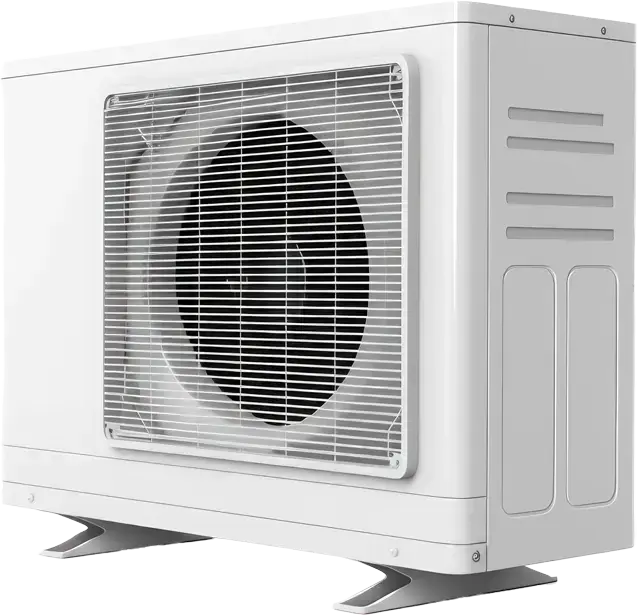
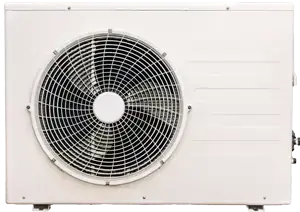
The outdoor unit needs breathing room. Leaves, weeds, windblown debris, and overgrown landscaping can block airflow and reduce heat transfer. In Arizona, dust buildup is often the bigger issue than heavy vegetation, but the principle is the same. If air cannot move freely through the coil, the system loses efficiency.
Try to keep at least two feet of open space around the unit. Gently remove debris from the cabinet and surrounding area. If the coil fins look dusty, light rinsing with a garden hose can help, but use low pressure and avoid bending the fins. If the coil is heavily impacted with dirt or the unit has not been professionally cleaned in a long time, it is better to have it serviced properly.
Check indoor vents and registers
Closed vents do not usually save money. In many homes, they create airflow imbalances that make the system work harder. Walk through the house occasionally and make sure supply vents and return grilles are not blocked by furniture, rugs, or curtains.
If some rooms are consistently warmer or cooler than others, that does not always mean the heat pump itself is failing. It could point to airflow restrictions, duct leakage, insulation gaps, or air balancing issues. That is where a broader HVAC evaluation can be more helpful than simply changing parts.
What homeowners can safely do – and what should be left to a pro
There is a practical line between basic upkeep and technical service. Homeowners can handle filter changes, debris removal around the unit, thermostat battery checks, and visual inspections. Those steps matter, and skipping them is one of the most common reasons systems underperform.
Professional maintenance goes further. A trained technician can inspect refrigerant levels, test capacitors and contactors, check amperage draw, tighten electrical connections, inspect the condensate system, clean the indoor and outdoor coils correctly, and verify safe operation in both heating and cooling mode. These are not guess-and-check items. They require tools, experience, and the ability to spot early failure patterns.
If your heat pump is short cycling, making unusual noises, icing up, or failing to keep temperature, it is time for service rather than DIY troubleshooting. Those symptoms can have multiple causes, and replacing the wrong part wastes time and money.
Seasonal maintenance makes the biggest difference
Heat pumps do best when they are checked before peak demand. In the Phoenix area, that usually means one visit before summer and another before winter, especially for systems that run hard most of the year.
Spring: prepare for extreme cooling demand
Before summer hits, the focus should be on airflow, electrical reliability, refrigerant performance, and coil cleanliness. A system that is slightly low on refrigerant or struggling with a weak capacitor may still cool in mild weather, then fail when outdoor temperatures spike.
This is also the right time to check the thermostat settings and confirm the unit starts, runs, and shuts down normally. Catching a problem early is always easier than scheduling an emergency repair during a heat wave.
Fall: verify heating mode and overall system health
Heating season in Arizona is shorter, but that does not mean it should be ignored. If a heat pump has not switched into heating mode for months, it makes sense to test it before the first cold night. A maintenance visit in fall helps confirm the reversing valve, defrost controls, and electrical components are operating correctly.
For homeowners who rarely use heat, this can seem unnecessary. But a system that sits untouched in one mode for months can still develop issues, and you do not want to find out on the one week you actually need it.
Warning signs your heat pump needs attention
A well-maintained heat pump should sound and feel consistent. Small changes are worth paying attention to, especially if they start gradually.
Higher energy bills without a clear reason often point to declining efficiency. Longer run times, weak airflow, uneven room temperatures, musty odors, rattling sounds, or frequent thermostat adjustments can all signal a maintenance issue. Ice on the indoor or outdoor coil is another red flag. In cooling mode, icing often relates to airflow or refrigerant problems. In heating mode, some frost can be normal, but heavy ice buildup is not.
Water around the indoor unit can also indicate a clogged condensate drain. That may sound minor, but left alone, it can cause water damage or force a safety shutdown.
Maintenance helps, but age still matters
Even perfect maintenance cannot stop every repair or extend every system indefinitely. If your heat pump is older, repair frequency matters just as much as maintenance quality. A newer unit with routine service may have years of dependable life left. An aging system that needs repeated repairs, struggles in peak weather, or causes ongoing comfort issues may be approaching replacement territory.
This is where honest evaluation matters. Sometimes a cleaning and tune-up are all that is needed. Sometimes the smarter long-term move is to replace a system that is costing more to operate and maintain than it should. The right answer depends on age, condition, efficiency, and how reliably the system is meeting your comfort needs.
A simple maintenance routine you can stick with
If you want a practical plan, check your filter monthly, keep the outdoor unit clear, make sure vents stay open and unblocked, and schedule professional service twice a year. That is the foundation. It is simple, effective, and realistic for most homeowners.
For families who rely on their system through long Arizona summers, consistency is what pays off. You do not need an elaborate checklist taped to the wall. You need a routine that prevents airflow problems, catches wear early, and keeps your heat pump ready when your home needs it most.
If there is one good rule to follow, it is this: do not wait for obvious failure. Heat pumps usually give you clues before they stop doing their job, and paying attention to those clues is one of the easiest ways to protect comfort, control energy costs, and avoid the stress of an untimely breakdown.
 Brio M.