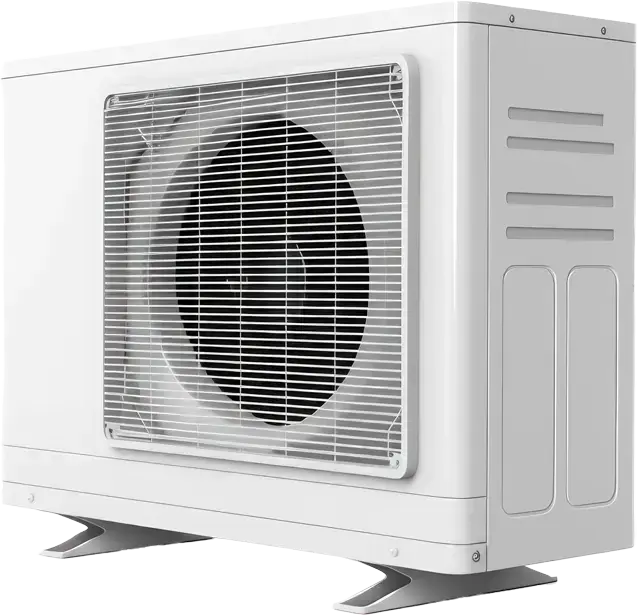
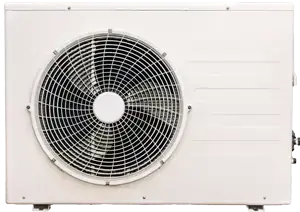
If you live through a Phoenix summer, you probably care less about technical labels and more about one simple question: do heat pumps work in Arizona when it is brutally hot outside? The short answer is yes. In many Arizona homes, a heat pump works very well because it handles both cooling in summer and heating in winter, and our winters are usually mild enough for heat pump technology to perform efficiently.
That said, not every house is the same, and not every system is sized, installed, or maintained the way it should be. The real question is not just whether a heat pump can work here. It is whether a properly selected and properly installed heat pump is the right fit for your home, your utility costs, and the way your family uses the system.
Do heat pumps work in Arizona homes year-round?
Yes, they can. A heat pump is basically an air conditioner that can run in reverse. In summer, it removes heat from your home and sends it outside. In winter, it pulls heat from the outdoor air and moves it indoors.
That matters in Arizona because cooling is the main job for most HVAC systems, and heat pumps are excellent at cooling. In fact, when people ask whether a heat pump can keep up with an Arizona summer, they are really asking whether it can function as an air conditioner. It can. Heat pumps use the same basic refrigeration process as standard AC systems, so they are fully capable of cooling homes during extreme heat when they are matched and installed correctly.
Winter is where heat pumps often make even more sense in our climate. In colder parts of the country, homeowners may worry about heat pump performance when temperatures drop far below freezing. Across Chandler, Gilbert, Mesa, Ahwatukee, and nearby communities, that is usually not the issue. Arizona winters are generally mild, which gives heat pumps favorable conditions for efficient heating.
Why Arizona is often a good climate for heat pumps
Heat pumps tend to shine in places with long cooling seasons and shorter, milder winters. That describes much of the Phoenix metro area pretty well.
Because a heat pump moves heat instead of generating it through fuel combustion, it can deliver efficient heating when outdoor temperatures stay relatively moderate. That is one reason many Arizona homeowners like the idea of replacing an older straight-cool AC and electric furnace with a single system that handles both jobs.
There is also a practical equipment advantage. A heat pump can simplify your HVAC setup by combining cooling and heating into one primary system. Depending on the home, that may reduce complexity, improve efficiency, and make it easier to manage comfort through one modern thermostat and one matched system.
Still, climate alone does not guarantee good results. Duct leakage, poor airflow, bad sizing, weak insulation, and low-quality installation can make even premium equipment underperform. The system matters, but the house matters too.
The biggest benefits of a heat pump in Arizona
For many homeowners, the first benefit is efficiency. Since a heat pump transfers heat rather than creating it directly, it can use less energy for heating than electric resistance heat. If your current winter heating costs feel higher than they should, a heat pump may offer meaningful savings.
The second benefit is all-in-one comfort. One system cools in summer and heats in winter. That can be especially appealing if your current heating setup is aging, inconsistent, or expensive to run.
The third benefit is comfort control. Many newer heat pumps, especially variable-speed models, can run longer at lower output. That often leads to steadier indoor temperatures, less temperature swing, and quieter operation. In a climate where your cooling system works hard for much of the year, that kind of consistency can make a real difference.
Another point homeowners sometimes overlook is compatibility with high-performance upgrades. If you are improving indoor air quality, sealing ductwork, adjusting airflow, or adding smart thermostat controls, a modern heat pump system can fit well into that broader whole-home comfort strategy.
Where heat pumps can fall short
A heat pump is not automatically the best answer for every Arizona home. There are trade-offs.
If a home has poor insulation, leaky ducts in a hot attic, or serious hot and cold spots, replacing the equipment alone may not fix the problem. The homeowner may expect better comfort and lower bills, then feel disappointed because the real issue was the home’s air distribution or envelope.
There is also the matter of extreme cold, even in Arizona. While our winters are mild overall, overnight temperatures can still drop enough for some systems to rely on backup electric heat. That is not usually a major problem here, but it is part of proper system design. The equipment should be selected with realistic winter conditions in mind, not just peak summer demand.
Upfront cost can be another factor. A high-efficiency heat pump may cost more than a basic replacement system. For some homeowners, the long-term operating savings and comfort upgrades make that worthwhile. For others, the better choice may depend on how long they plan to stay in the home and how their current system is configured.
Do heat pumps work in Arizona better than central AC?
Sometimes yes, sometimes no. It depends on what you are comparing.
If you are comparing a heat pump to a standard central AC for cooling only, the cooling performance can be very similar. A heat pump is not inherently worse at cooling just because it also provides heat. The quality of the installation, refrigerant charge, airflow setup, duct design, and equipment sizing will have a bigger impact than the label on the system.
If you are comparing a heat pump to a straight-cool AC paired with electric heat, the heat pump often has the edge in heating efficiency. That can be a strong advantage in Arizona, where many homeowners want lower winter operating costs without sacrificing summer cooling performance.
If you currently have gas heat, the comparison gets more nuanced. Natural gas can still be cost-effective in some homes, and the best option depends on utility rates, system age, and your comfort goals. This is where honest load calculations and a real evaluation of the house matter more than blanket claims.
What to look for before installing a heat pump
The best heat pump results usually come from careful planning, not fast equipment swaps.
First, make sure the contractor performs proper sizing. Bigger is not better. An oversized system can short cycle, create uneven temperatures, and wear down faster. An undersized one can struggle during peak conditions.
Second, ask about airflow and duct performance. In Arizona homes, attic duct issues are common, and they can steal efficiency fast. If the duct system leaks or is poorly balanced, even an excellent heat pump may not deliver the comfort you expect.
Third, consider the efficiency rating in the context of how long you run cooling each year. Since Arizona systems work hard for extended seasons, higher-efficiency equipment can make sense, especially for homeowners planning to stay put.
Fourth, think beyond the box outside. Thermostat setup, insulation levels, return air design, and maintenance all affect performance. Good equipment should be part of a complete comfort plan, not a standalone guess.
Who is a good candidate for a heat pump?
A heat pump is often a strong fit for homeowners who want one system for heating and cooling, rely on electric heat today, or want better efficiency during Arizona’s mild winters. It can also make sense for all-electric homes, ductless additions, and households interested in newer variable-speed comfort options.
It may be especially attractive if your current system is older, noisy, expensive to run, or uneven from room to room. In many cases, upgrading to a properly matched heat pump system gives you more than a replacement. It gives you better control over comfort and operating costs.
For homeowners in Chandler, Gilbert, Mesa, and surrounding areas, the smartest next step is not guessing from a product brochure. It is having the home evaluated as a system. Climate Pro approaches heat pump recommendations that way because dependable comfort comes from matching the equipment to the house, not forcing every house into the same solution.
The bottom line for Arizona homeowners
So, do heat pumps work in Arizona? Yes, and often very well. They cool effectively through long desert summers, they heat efficiently through our milder winters, and they can be a smart option for homeowners who want energy savings and year-round comfort from one system.
The catch is simple: the right heat pump in the wrong home setup can still disappoint. If you want a system that truly performs, focus on design, sizing, airflow, duct condition, and installation quality just as much as the equipment itself.
A good heat pump should not leave you wondering whether you made the right choice. It should make your home feel consistently comfortable and your utility bills feel easier to live with.
 Arlene B.