If your AC seems to run all afternoon and your energy bill still feels higher than it should, the problem may not be the equipment alone. The best home upgrades for HVAC efficiency often have less to do with pushing your system harder and more to do with helping it do its job with less strain. In Phoenix-area homes, where cooling demand is relentless for much of the year, the right upgrade can make a real difference in comfort, operating cost, and system lifespan.
The key is knowing which improvements actually move the needle. Some upgrades produce noticeable savings right away. Others matter most when paired with a larger repair or replacement. And some only make sense if your home has a specific weakness, like poor attic insulation, leaky ductwork, or rooms that never seem to cool evenly.
How to choose the best home upgrades for HVAC efficiency
A lot of homeowners assume the biggest efficiency gain comes from replacing the HVAC unit first. Sometimes that is true, especially if your system is aging, unreliable, or badly oversized. But in many homes, the bigger issue is wasted conditioned air. If cool air escapes through ducts, heat pours in through the attic, or a thermostat struggles to manage uneven temperatures, even a newer system can underperform.
That is why the smartest approach is to look at your home as a complete comfort system. Equipment, insulation, airflow, duct performance, and controls all work together. When one part is weak, the rest has to compensate.
Attic insulation is often the upgrade that pays off fastest
In Arizona, attic heat is brutal. If your attic insulation is thin, compressed, or uneven, your home absorbs more heat than it should, which forces your AC to run longer cycles just to maintain the temperature you set.
Upgrading attic insulation is one of the most practical ways to improve HVAC efficiency because it reduces the load on the entire system. It can also help stabilize indoor temperatures, which means fewer hot spots and less temperature swing in the afternoon.
This upgrade tends to make the most sense in older homes or homes where certain rooms are always harder to cool. It is not flashy, but it is one of the most dependable ways to improve performance without changing the equipment itself.
Duct sealing can solve hidden energy loss
Leaky ductwork is one of the most overlooked HVAC efficiency problems. If conditioned air is escaping into the attic, crawlspace, or wall cavities, you are paying to cool areas that no one lives in.
That waste adds up quickly, especially during long cooling seasons. Duct sealing helps more of the air your system produces reach the rooms where it belongs. It can also improve airflow balance and reduce the strain on your equipment.
In some homes, basic duct repairs are enough. In others, advanced sealing methods like Aeroseal can address leakage more thoroughly. The right option depends on the condition of the duct system, accessibility, and how severe the leakage is. If rooms feel stuffy, uneven, or slow to cool, duct performance is worth a closer look.
Smart thermostats help, but only when used correctly
A WiFi or smart thermostat is often marketed as an easy path to savings. It can absolutely help, but it works best when the rest of the system is already performing well.
A good thermostat upgrade gives you better control over scheduling, allows remote adjustments, and can reduce unnecessary runtime when no one is home. For busy households, that convenience matters. It can also help identify patterns, like frequent temperature overrides or longer-than-normal run times.
Still, a thermostat is not a fix for poor insulation, low airflow, or failing equipment. If your home never reaches the set temperature, a smarter control alone will not solve the root issue. It is a useful upgrade, just not a miracle one.
High-efficiency equipment can be worth it when timing is right
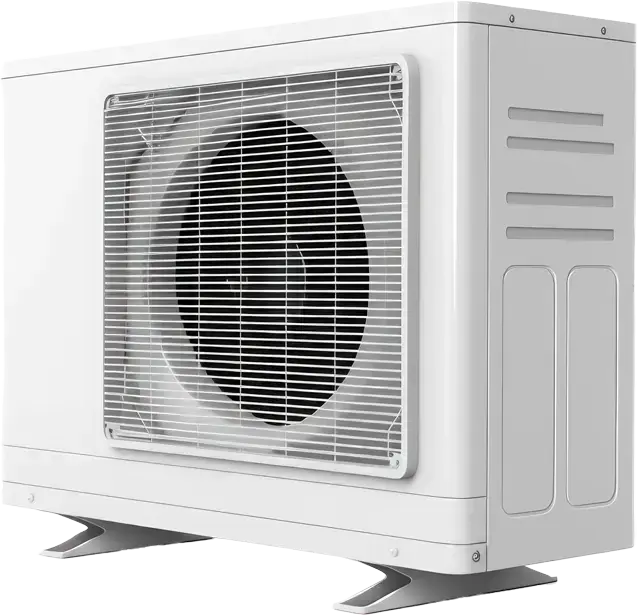
If your air conditioner or heat pump is older and repairs are becoming more frequent, upgrading to high-efficiency equipment may be one of the best long-term investments you can make. Newer systems are designed to use less energy while delivering more consistent cooling and better humidity control.
That said, replacement works best when it is based on more than just age. Proper sizing matters. Installation quality matters. Duct condition matters. Even the best equipment can disappoint if it is installed on a home with unresolved airflow or insulation issues.
For homeowners planning to stay in their home for years, the value of replacement often goes beyond utility savings. You also get more dependable performance during extreme heat, fewer breakdown concerns, and better overall comfort. In areas like Chandler, Gilbert, and Mesa, where AC reliability is not optional, that peace of mind has real value.
Variable-speed systems offer better control than single-stage units
When homeowners think about efficiency, they often focus only on SEER ratings. Those numbers matter, but system design matters too.
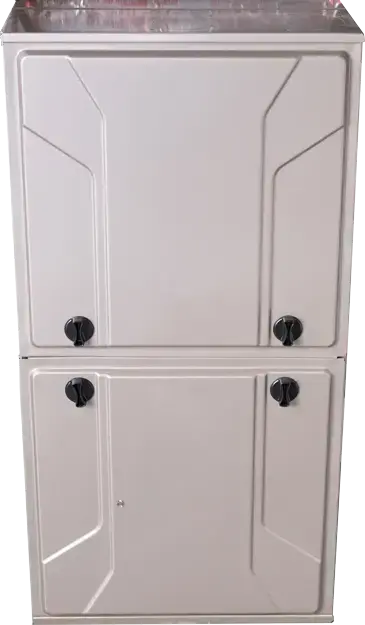
Variable-speed air conditioners, heat pumps, and air handlers can adjust output based on what your home actually needs instead of switching on at full blast every cycle. That typically means steadier temperatures, quieter operation, and better efficiency over time.
They are especially helpful in homes with fluctuating comfort demands or families who notice temperature imbalances from room to room. The trade-off is cost. Variable-speed systems usually require a larger upfront investment, so they are most appealing when you are already due for replacement or want a premium comfort upgrade.
Air balancing can improve comfort without a full system change
Some homes have one room that is always too warm, another that gets too cold, and a main living area that feels fine. In that situation, the issue may not be the equipment itself. It may be how air is distributed.
Air balancing adjusts the delivery of conditioned air throughout the home so each room gets closer to what it needs. This can improve comfort and reduce wasted runtime caused by trying to satisfy one difficult area.
It is not always the first service homeowners ask for, but it can be one of the most practical upgrades when comfort is uneven. If your system is relatively healthy but the house still feels inconsistent, balancing may offer better results than jumping straight to replacement.
Better windows and shading help reduce HVAC workload
Window upgrades are not always the cheapest path to HVAC savings, but they can help in homes with heavy sun exposure. Older windows can allow significant heat gain, particularly on west-facing sides of the home.
Replacing inefficient windows, adding solar screens, or improving exterior shading can reduce the amount of heat entering the house. That lowers cooling demand and helps your HVAC system maintain indoor comfort with less effort.
This is one of those upgrades where the return depends on the home. If your windows are already decent, the energy impact may be modest. But if your home has large, sun-exposed glass areas and persistent heat buildup, window improvements can support overall HVAC efficiency in a meaningful way.
Indoor air quality upgrades can support system performance too
Not every efficiency upgrade is about energy alone. Air filtration, purification, and ventilation improvements can also affect how well your HVAC system performs.
A clogged or restrictive filter setup can reduce airflow. Poor indoor air quality can make a home feel less comfortable even when the temperature is technically correct. In some cases, homeowners compensate by lowering the thermostat, which drives up system runtime.
The right indoor air quality solution depends on the home and the people living in it. Families dealing with dust, allergies, pet dander, or stale air may benefit from upgrades that improve comfort without simply demanding more cooling.
The best HVAC efficiency upgrades depend on what your home is wasting
The best HVAC efficiency upgrade is not always the most expensive one. It is the one that solves the biggest source of loss in your home.
If your attic is under-insulated, start there. If your ducts are leaking, fix the ducts. If your system is old, undersized, or constantly repairing, replacement may be the smarter financial decision. And if your comfort problems are uneven rather than total, airflow and balancing may offer the better return.
That is why a proper evaluation matters. Homeowners often spend money on the visible part of the problem while the hidden cause stays in place. A customer-first HVAC partner should be able to explain what is happening, what is worth upgrading now, and what can reasonably wait.
When you make the right upgrades in the right order, your home feels better, your equipment works less, and your utility bill has a better chance of reflecting both. That is the kind of efficiency that holds up through another Arizona summer.
 Lina B.