If your current AC is struggling through another Arizona summer, the question usually gets practical fast: should you replace it with the same kind of system, or is it time to rethink the whole setup? When homeowners compare ductless mini split vs central air, they are usually trying to solve a real problem – uneven rooms, high utility bills, aging ductwork, or a house that never quite feels comfortable.
The right answer depends on how your home is built, how you use each room, and what kind of comfort problems you want to fix. In the Phoenix area, where cooling demand is intense for much of the year, that decision matters more than it might in a milder climate.
Ductless mini split vs central air: what is the difference?
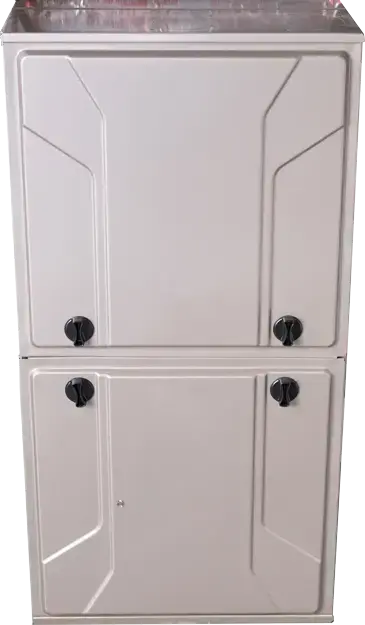
Central air uses one main indoor unit and one outdoor unit to cool the home through a network of ducts. Conditioned air moves through supply vents into each room, and return ducts bring air back to the system to be cooled again. For homes that already have well-designed ductwork, central air is a familiar and effective whole-home solution.
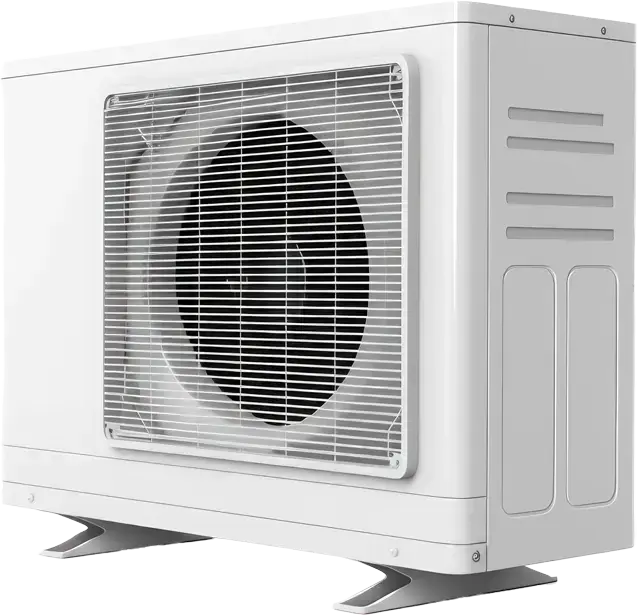
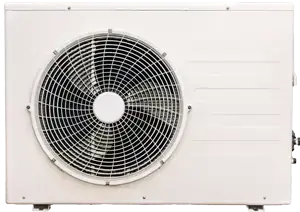
A ductless mini split works differently. It has an outdoor unit connected to one or more indoor air handlers mounted in specific rooms or zones. Instead of pushing air through ducts, each indoor unit cools the space where it is installed. That setup gives you room-by-room control, which is one of the biggest reasons homeowners consider going ductless.
On paper, both systems cool your home. In practice, they solve comfort issues in different ways.
When central air makes more sense
Central air is often the better fit when you want a single system to treat the whole home evenly and your ductwork is in good shape. If your house was designed for central HVAC and the ducts are properly sized, sealed, and insulated, replacing an older central system with a new high-efficiency unit can be the most straightforward path.
This option also tends to feel more natural for families who want one thermostat, hidden equipment, and a traditional whole-home setup. You do not have wall-mounted indoor units in multiple rooms, and the look of the home stays more uniform.
In many larger homes, central air is also easier to manage from a lifestyle standpoint. If nearly every room is occupied regularly, the zoning advantage of mini splits may not offer as much payoff. You may be cooling most of the home anyway, so a properly installed central system can deliver strong performance without making the equipment layout more complex.
That said, central air depends heavily on duct condition. If your ducts leak, run through a super-heated attic, or were poorly designed from the start, the system can lose a meaningful amount of cooled air before it ever reaches the rooms that need it.
When ductless mini splits stand out
Ductless systems are especially effective when the house has no existing ductwork, when certain rooms never cool properly, or when you want better control over specific areas. Additions, garages, casitas, enclosed patios, and older homes with limited space for ducts are common examples.
They also work well for households that use rooms differently throughout the day. If someone works from home in one room and bedrooms are only used at night, a mini split system lets you cool those spaces based on actual use rather than conditioning the entire house the same way all day.
That zoning control can lower energy use, but only if the way you live matches the way the system is designed. If every room needs cooling all the time, the efficiency advantage may shrink.
Mini splits can also be a smart answer for hot and cold spots. In the Phoenix metro area, we often see homes where one upstairs bedroom runs warm no matter what the thermostat says. In those cases, adding a ductless unit to target the trouble area may solve the comfort issue faster than trying to force the central system to do a job it was never set up to do.
Efficiency is not just about the equipment rating
A lot of homeowners assume ductless automatically means lower electric bills. Sometimes that is true. Sometimes it is not.
Mini splits are often very efficient because they avoid duct losses and can adjust output more precisely. But the real-world savings depend on how many indoor heads are installed, how often each zone runs, and whether the system is sized correctly.
Central air can also be highly efficient, especially if you install a modern variable-speed system and address duct leakage, insulation, and airflow issues at the same time. A high-efficiency central system with properly sealed ducts may outperform a ductless setup that was chosen for the wrong reasons.
This is where homeowners can get misled by brochure numbers. Equipment ratings matter, but system design matters just as much. The best installation is the one that matches the house.
Upfront cost and long-term value
Cost is rarely simple in a ductless mini split vs central air decision.
If your home already has usable ductwork, central air replacement is often more cost-effective for whole-home cooling. You are swapping equipment into an existing structure rather than building out multiple indoor zones.
If the home has no ducts, though, central air may require major construction costs that change the math completely. In that case, ductless can be the cleaner and more affordable option.
There is also a middle ground many homeowners overlook. Sometimes the best investment is not choosing one system over the other for the entire house. It is keeping central air for general cooling and adding a mini split where the central system falls short. That hybrid approach can make a lot of sense if one room addition, converted garage, or upstairs area is causing most of the frustration.
Long-term value should include repair exposure, utility costs, expected lifespan, and whether the system improves daily comfort. The cheapest installation is not always the best value if it leaves you with the same problems you were trying to solve.
Comfort, airflow, and indoor air quality
Central air has an advantage when it comes to whole-home air circulation and filtration, assuming the duct system is sound and the airflow is balanced correctly. It can pair well with upgraded filtration, purification systems, humidity strategies, and other indoor air quality improvements.
Ductless systems filter air at each indoor unit, but they do not move air through the entire home the same way a central system does. That is not necessarily a flaw. It just means the experience is different. Mini splits are excellent at conditioning individual spaces, but they are not automatically the better choice for whole-home air management.
For homeowners who are also dealing with dusty rooms, weak airflow, or allergy concerns, the conversation should go beyond cooling equipment alone. Duct condition, attic insulation, air sealing, and system balancing all affect comfort. A new AC system will not fully fix house performance problems if those larger issues are ignored.
What tends to work best in Arizona homes
In Chandler, Gilbert, Mesa, and nearby communities, the right answer often comes down to the age and layout of the house.
Newer homes with existing ducts usually lean toward central air, especially when the goal is reliable whole-home cooling and the duct system can be improved if needed. Homes with additions, detached spaces, or persistent hot spots often benefit from ductless, either as a primary solution or as a targeted upgrade.
Two-story homes are a good example of where careful evaluation matters. Some have comfort issues because the existing central system is undersized, aging, or poorly balanced. Others are better served by adding a ductless zone upstairs rather than replacing the entire central system. The equipment choice should follow the problem, not the other way around.
How to choose without guessing
If you are deciding between these systems, start with the house itself. Does it already have ducts, and are they actually in good condition? Are you trying to cool the entire home the same way, or do you want room-by-room control? Is your main complaint energy cost, weak airflow, uneven temperatures, or a space your current system cannot handle?
Those questions usually point the decision in the right direction. A good contractor should look at insulation, duct leakage, airflow, equipment sizing, and how the home is used day to day. That matters more than a sales pitch for whichever system happens to be easier to sell.
At Climate Pro, that is how we approach replacement recommendations. Not every home needs the same answer, and homeowners deserve a clear explanation of what will actually improve comfort, efficiency, and dependability.
The best system is the one that solves your real problem and keeps doing it when the temperature outside is not forgiving.
 Whitney M.