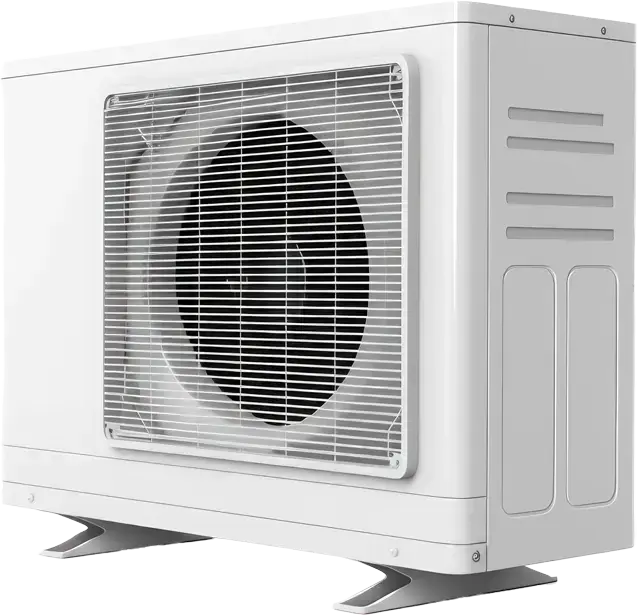
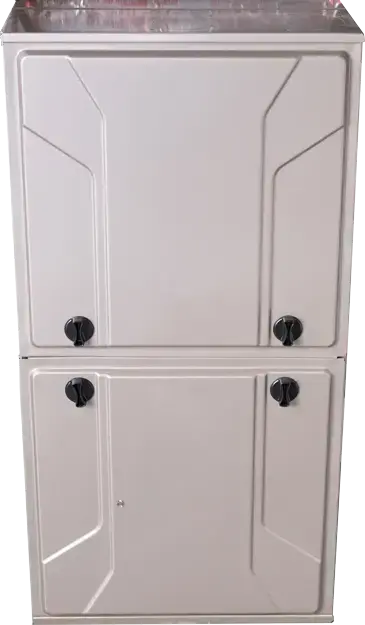
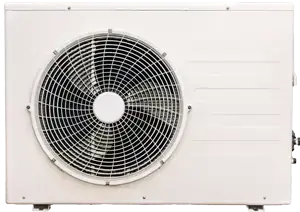
If your energy bills keep climbing or certain rooms never seem to stay comfortable, a heat pump installation can solve more than one problem at once. This homeowner guide to heat pump installation is built to help you make a smart decision before you sign a proposal, especially if you live in the Phoenix area where cooling performance matters just as much as winter heating.
Why heat pumps make sense for many homeowners
A heat pump does not create heat the way a furnace does. It moves heat from one place to another, which is why it can cool your home in summer and warm it in winter using the same system. For many homeowners, that means fewer separate systems to manage and better efficiency over the course of the year.
In Arizona, that matters. A properly selected heat pump can handle long cooling seasons efficiently while still covering the lighter heating demand most desert homes see in winter. That does not mean every house is an automatic fit. The age of your home, your ductwork, insulation levels, and the way your current system performs all affect whether a heat pump will deliver the comfort and savings you expect.
Homeowner guide to heat pump installation: start with the right system
The biggest mistake homeowners make is shopping by equipment brand or sticker price before confirming what the home actually needs. A heat pump is only as good as the installation behind it.
System sizing comes first. If the unit is too small, it may struggle during peak summer heat and run longer than it should. If it is too large, it can short cycle, wear out faster, and leave humidity and airflow issues unresolved. Bigger is not automatically better. Correct sizing should be based on the home itself, not just square footage.
There is also more than one type of heat pump. A ducted central heat pump works well when the home already has ductwork in good condition. A ductless mini-split can be a strong option for room additions, garages, older homes with limited duct access, or areas that never stay comfortable. In some homes, a hybrid approach makes the most sense.
This is where a trustworthy contractor earns their value. You should expect an installer to look beyond the outdoor unit and ask about hot spots, uneven airflow, insulation, return air, attic conditions, thermostat placement, and utility costs.
What a good installation quote should include
A heat pump proposal should be clear enough that you can compare options without guessing what is missing. If one quote is dramatically lower than another, there is usually a reason.
At a minimum, the estimate should explain the equipment size and efficiency ratings, the scope of labor, whether electrical upgrades are needed, whether the refrigerant lines and pad will be replaced, and what happens with the thermostat. It should also address permits, inspections, warranty coverage, and any duct modifications.
If your existing ductwork is leaking, undersized, or poorly balanced, a new heat pump may still underperform. That is frustrating for homeowners because the new equipment gets blamed for a comfort issue that really started in the duct system. A complete evaluation helps prevent that.
Transparent pricing matters here. You should know whether the quote includes everything required to complete the job safely and correctly, or whether key items may be added later as change orders.
Ductwork, airflow, and insulation matter more than most people think
Heat pump installation is not just an equipment swap. It is a home performance decision.
Airflow has to be right for the system to operate efficiently. If the ducts are crushed, disconnected, dirty, or leaking in the attic, conditioned air may never make it to the rooms that need it most. In hot Arizona attics, that energy loss adds up quickly.
Insulation also affects the outcome. If the home leaks air or has weak attic insulation, even an efficient new system has to work harder. Some homeowners expect the new unit alone to fix high bills, but the real answer can involve a combination of equipment, duct sealing, and insulation upgrades.
That is why the best installations are not rushed. A careful contractor will verify static pressure, inspect duct conditions, and look at the home as a system rather than treating the job like a simple box replacement.
Cost expectations and what changes the price
Homeowners naturally want a straight answer on cost, but heat pump installation pricing depends on several factors. Equipment capacity, efficiency level, ductwork condition, electrical readiness, thermostat upgrades, labor complexity, and permit requirements all affect the final number.
High-efficiency systems usually cost more upfront, but they can reduce operating costs over time. Whether that premium is worth it depends on how long you plan to stay in the home, how much you use the system, and how severe your existing comfort problems are.
The lowest bid is rarely the best value if it skips duct repairs, uses mismatched components, or avoids proper load calculations. On the other hand, the most expensive option is not always necessary either. A good contractor should explain the practical difference between system tiers so you can decide based on comfort goals, budget, and expected return.
Financing can also be useful when the better long-term option would otherwise be delayed. For many families, predictable monthly payments are easier to manage than squeezing a major HVAC replacement into one season.
Permits, timelines, and installation day
A professional heat pump installation usually moves quickly once the scope is defined, but homeowners should still know what to expect. Depending on the project, the work may involve removing old equipment, setting the new outdoor unit, installing or modifying the indoor air handler, connecting refrigerant lines, updating drain lines, and testing system performance.
If permits are required, that should be handled as part of the process, not treated as an optional extra. Permits and inspections help confirm that the work meets code and safety standards.
On installation day, the crew should protect your home, keep the work area orderly, and walk you through the finished system before leaving. That includes thermostat operation, maintenance basics, warranty registration, and what normal operation should sound and feel like.
If a contractor installs the system and disappears, that is a red flag. Good service includes support after the job is complete.
Questions homeowners should ask before approving a heat pump installation
A few direct questions can tell you a lot about the quality of the company standing in your home. Ask how they determine sizing. Ask whether they inspect ductwork and airflow. Ask what is included in the quoted price, what warranty applies to labor and equipment, and whether they will pull permits if needed.
You should also ask what happens if the home has comfort issues after installation. A dependable HVAC company will stand behind the work and explain how they handle follow-up adjustments.
For homeowners in Chandler, Gilbert, Mesa, and nearby communities, that local experience matters. Desert heat creates real demand on HVAC systems, so installation practices that work in milder climates do not always translate well here.
Common mistakes to avoid
One common mistake is replacing a failed system with the same size unit without confirming whether the original system was right in the first place. Another is focusing only on SEER ratings while ignoring airflow and duct leakage.
Homeowners also get into trouble when they assume every room problem will disappear with new equipment. If one side of the house has weak return air, too much sun exposure, or insulation gaps, those issues should be addressed directly.
It is also wise to be cautious with vague proposals. If the contractor cannot clearly explain the installation plan, the equipment match, or the warranty, keep looking.
Choosing an installer you can trust
Heat pump installation is one of those jobs where experience shows up in the details. Proper charging, airflow setup, thermostat configuration, and system testing all affect comfort, reliability, and efficiency from day one.
That is why homeowners should look for a company with a strong local reputation, clear communication, and a service mindset that does not stop after the installation is finished. Climate Pro, LLC approaches heat pump projects that way – with transparent recommendations, dependable workmanship, and a focus on how the entire home performs, not just the equipment being replaced.
A new heat pump should leave you with more confidence, not more questions. If the company you choose takes time to evaluate your home carefully, explains the trade-offs honestly, and stands behind the work, you are much more likely to end up with a system that feels right every day, not just on paper.
 Lina B.