You set the thermostat to cool, hear the system kick on, and still feel warm air drifting out of the vents. In Arizona, that is not a small annoyance. If you are wondering how to troubleshoot warm air vents, the goal is to rule out the simple fixes first and spot the signs of a bigger AC problem before it turns into a full breakdown.
Warm air from supply vents does not always mean your air conditioner has completely failed. Sometimes the issue is as minor as a thermostat setting or a clogged filter. Other times, it points to low refrigerant, electrical trouble, a frozen evaporator coil, or leaky ductwork in a hot attic. The right response depends on what your system is doing along with that warm airflow.
Start with the thermostat before anything else
The thermostat is the quickest place to look because small settings errors cause a surprising number of comfort calls. Make sure the system is set to Cool, not Heat or Fan. If the fan is set to On, the blower will keep circulating air even when the outdoor unit is not actively cooling. That can make vents feel warm, especially during a Phoenix-area afternoon.
Lower the temperature setting at least a few degrees below the current indoor temperature and wait a few minutes. If nothing changes, replace the thermostat batteries if your model uses them. A weak battery or a glitchy thermostat can interrupt communication with the equipment and make it seem like the AC is running when it is not cooling properly.
If you have a smart thermostat, check the schedule as well. Homeowners sometimes forget about setback programs, vacation settings, or app-based overrides that keep the house warmer than expected.
Check the air filter and airflow
If you want to know how to troubleshoot warm air vents without getting into electrical components, inspect the air filter next. A dirty filter restricts airflow, which can strain the system and reduce cooling performance. In some cases, poor airflow can even contribute to an evaporator coil freezing up. When that happens, the system may blow little air, warm air, or air that changes temperature from room to room.
Pull the filter out and hold it up to the light. If it looks packed with dust or you cannot see much light through it, replace it. Use the correct size and airflow rating for your system. A filter that is too restrictive can create its own problems, especially if the duct system is already struggling.
While you are at it, look at a few supply vents and return grilles around the house. Closed vents, blocked returns, or furniture pressed against grilles can throw off airflow and make some rooms feel warmer than others.
See whether the outdoor unit is actually running
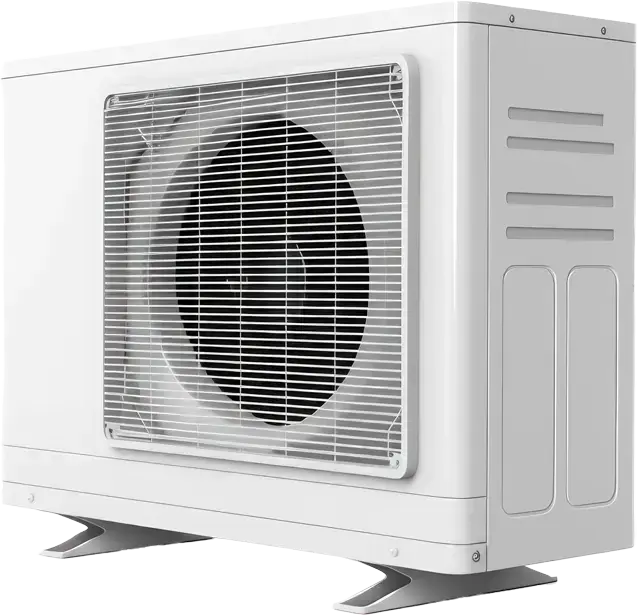
Your indoor blower and outdoor condenser need to work together. One common reason vents blow warm air is that the indoor unit is moving air, but the outdoor unit is not cooling it.
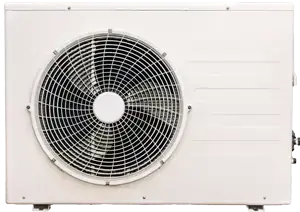
Step outside and listen. You should typically hear the condenser fan and the compressor running when the system is calling for cooling. If the outside unit is silent while the indoor blower is on, the problem could be a tripped breaker, a bad capacitor, a contactor issue, or another electrical fault.
Check the electrical panel for a tripped breaker. Reset it once if needed. If it trips again, stop there. Repeated tripping usually means there is an underlying electrical issue that needs professional diagnosis.
Also look for obvious debris around the outdoor unit. Leaves, dirt, and overgrown landscaping can reduce heat transfer. In desert environments, coils can get coated with dust faster than many homeowners expect.
Look for signs of a frozen evaporator coil
It sounds backward, but ice can lead to warm air. If the evaporator coil freezes, the system cannot absorb heat properly, and comfort drops fast.
A frozen coil may show up as weak airflow, warmer air from the vents, water around the indoor unit, or visible frost on refrigerant lines. If you suspect freezing, turn the system off at the thermostat and switch the fan to On for a while to help thaw the coil. Do not chip at ice or try to force anything open.
Freezing usually happens for a reason. Dirty filters, blocked airflow, low refrigerant, and blower issues are all common causes. If the coil freezes again after you replace the filter and let it thaw, that is a strong sign the problem is not a simple maintenance issue.
Pay attention to refrigerant-related warning signs
If your AC is running but not cooling, low refrigerant is one possible cause. Unlike fuel, refrigerant is not something a healthy system should simply use up. Low charge usually means there is a leak somewhere.
Homeowners often notice a few patterns at the same time: longer run times, warm or barely cool air from vents, ice on the line set, and higher electric bills. You may also hear hissing near the indoor or outdoor unit in some cases, though not always.
This is not a DIY repair. Refrigerant issues need proper leak detection, pressure testing, repair, and charging by a licensed HVAC technician. Topping it off without fixing the leak is a short-term patch that usually leads to more trouble later.
Consider whether duct problems are part of the issue
In many homes, especially where ductwork runs through a superheated attic, leaks can make cooled air disappear before it reaches the room. That can leave vents delivering air that feels warmer than it should, even if the equipment itself is still operating.
Duct issues usually show up as uneven temperatures, weak airflow in certain rooms, excess dust, or comfort problems that get worse in the hottest part of the day. If one side of the house feels fine and another struggles constantly, the problem may be less about the AC unit and more about air distribution.
This is where diagnosis matters. A system can be mechanically sound and still fail to keep the home comfortable if the ductwork leaks, is undersized, or is poorly balanced.
When warm air vents point to a failing AC system
Sometimes troubleshooting confirms a bigger issue. If your system is older and warm air problems keep returning, repairs may no longer be the most cost-effective path.
Watch for repeated breakdowns, major repair recommendations, short cycling, rising utility costs, and rooms that never seem to cool evenly. In Chandler, Gilbert, Mesa, and surrounding communities, extreme summer demand puts aging systems under serious stress. A unit that limps through spring can fail quickly once the real heat arrives.
That does not mean replacement is always the answer. Sometimes a capacitor, fan motor, coil cleaning, or airflow correction restores performance. But if your AC is approaching the end of its service life, you want an honest assessment of whether repair buys meaningful time or just delays the inevitable.
How to troubleshoot warm air vents safely
A good rule is simple: stick to checks that are safe and visible. Thermostat settings, filter changes, breaker inspection, open vents, and outdoor debris removal are reasonable homeowner steps. Opening panels, testing capacitors, handling refrigerant, or diagnosing electrical components is not.
There is also the issue of time. If the house is heating up quickly, especially during a Phoenix-area summer, extended trial and error can cost you comfort and put more strain on the system. A fast diagnosis is often the cheaper move compared with waiting until the problem worsens.
When to call an HVAC professional
If you have gone through the basics and the vents are still blowing warm air, it is time for expert service. The same is true if the breaker keeps tripping, the coil is frozen, the outdoor unit will not run, or you suspect a refrigerant leak.
A thorough service call should look beyond the obvious symptom. The right technician checks system operation, airflow, refrigerant performance, electrical components, thermostat communication, and duct conditions when needed. That matters because warm vents are a symptom, not a full diagnosis.
For homeowners who want reliable cooling without the guesswork, Climate Pro focuses on the full picture – not just getting the unit back on, but making sure it is actually cooling the way it should.
Warm air from your vents is your system telling you something is off. The sooner you catch whether it is a simple airflow issue or a more serious AC fault, the easier it is to protect your comfort, your equipment, and your utility budget before the next hot day pushes the system harder.
 Lina B.