If you live in the Phoenix area, you already know your HVAC system does not get much of a break. Long cooling seasons, high utility bills, and the occasional chilly winter night make efficiency matter. So when homeowners ask, what is a heat pump, they are usually really asking a second question too – is this a smart choice for my home?
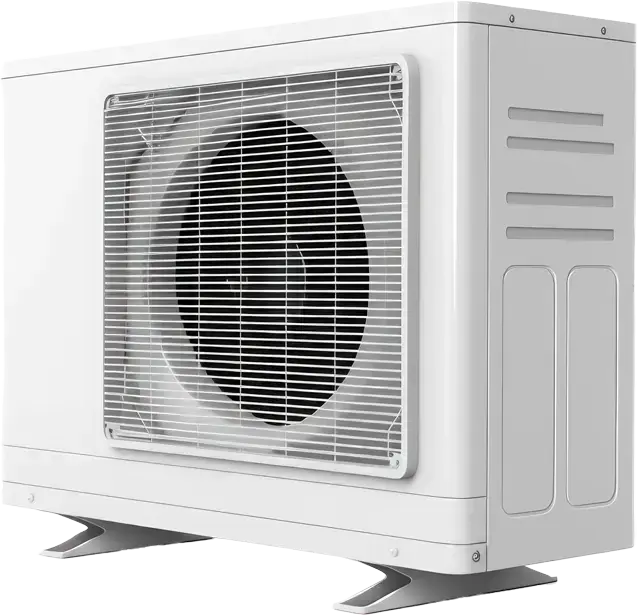
A heat pump is an HVAC system that moves heat instead of creating it. In summer, it pulls heat out of your home and sends it outside, just like an air conditioner. In winter, it reverses direction and brings heat from outside into your home. That simple shift is what makes heat pumps different from a traditional setup with an air conditioner and a separate furnace.
For many Arizona homeowners, that difference can translate into lower energy use, fewer system components, and year-round comfort from one piece of equipment. But like any HVAC upgrade, the right answer depends on your home, your comfort goals, and how the system is designed and installed.
What Is a Heat Pump?
At its core, a heat pump is an all-in-one heating and cooling system. It uses refrigerant, coils, and a compressor to transfer heat from one place to another. That may sound technical, but the idea is straightforward. Heat naturally exists in outdoor air, even when temperatures feel cool. A heat pump captures that heat and moves it indoors when you need warmth.
When the weather is hot, the system does the opposite. It removes indoor heat and releases it outside. That is why many homeowners are surprised to learn they have already understood half of what a heat pump does. Its cooling mode works a lot like a standard central air conditioner.
The biggest distinction is that a heat pump can both cool and heat, while a typical AC system only cools and needs a furnace for winter heating.
How Does a Heat Pump Work?
A heat pump works by circulating refrigerant through an indoor coil and an outdoor coil. A reversing valve changes the direction of flow depending on whether the system is in heating or cooling mode.
In cooling mode, the indoor coil absorbs heat from inside your home. The refrigerant carries that heat outdoors, where the outdoor unit releases it. In heating mode, the process flips. The outdoor coil gathers heat from the outside air, and the system transfers that heat indoors.
Because it moves heat rather than generating it through combustion, a heat pump can be very energy efficient. That efficiency is one of its biggest advantages, especially in climates with mild winters like the greater Phoenix metro area.
Why Heat Pumps Make Sense in Arizona
In colder parts of the country, homeowners sometimes worry about whether a heat pump can keep up in winter. That concern is less of an issue here. In places like Chandler, Gilbert, Mesa, Queen Creek, and Ahwatukee, winters are generally mild enough for heat pumps to perform well.
That matters because the system can deliver both cooling and heating without relying on a gas furnace in many homes. Since our cooling season is much longer than our heating season, Arizona homeowners often focus on summer performance first. Heat pumps can meet that need while also handling winter comfort efficiently.
There is also a practical side to the decision. If your current system is aging and you are facing replacement, a heat pump may simplify the setup. Instead of maintaining separate heating and cooling equipment, you may be able to get the comfort you need from one coordinated system.
Heat Pump vs. Air Conditioner
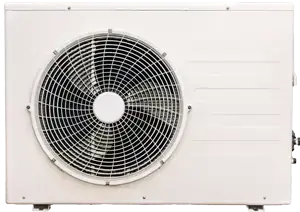
A standard air conditioner and a heat pump have a lot in common. Both cool your home by moving heat outdoors. Both use refrigerant and an outdoor condenser unit. Both can be paired with ductwork or certain ductless setups.
The difference is in heating. An air conditioner cannot heat your home on its own. A heat pump can.
For homeowners comparing the two, the real question is not whether one cools better than the other. In many cases, cooling performance is very similar. The question is whether you want your outdoor system to handle winter heating too.
If your home already has dependable gas heating and your main concern is summer cooling, a traditional AC replacement may still make sense. If you want high-efficiency electric heating and cooling in one system, a heat pump is worth a close look.
Heat Pump vs. Furnace
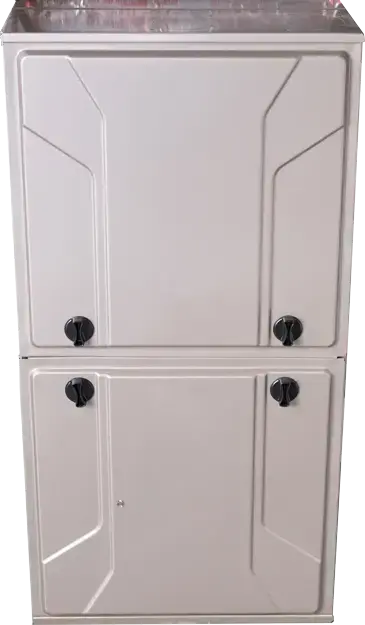
A furnace creates heat, usually by burning natural gas or using electric resistance heat. A heat pump transfers existing heat. That difference affects both efficiency and operating cost.
In Arizona, where freezing temperatures are not the norm, a heat pump often has an advantage because it can heat efficiently during our cooler months without the fuel use of a gas furnace. In very cold climates, furnaces may still have the edge during extreme low temperatures. Here, that trade-off is usually less dramatic.
That said, every home is different. Insulation levels, duct condition, thermostat settings, and equipment sizing all affect results. If the system is oversized, undersized, or connected to leaky ductwork, even a good heat pump will not perform the way it should.
Types of Heat Pumps Homeowners Should Know
Most homeowners will run into one of two main options: ducted heat pumps and ductless mini-split heat pumps.
A ducted heat pump works with your home’s existing duct system, much like a central AC unit. This is often a good fit if your ductwork is in good shape and properly sized.
A ductless heat pump, often called a mini-split, does not rely on full-house ducts. Instead, it uses indoor air handlers mounted in specific rooms or zones. This can be a strong option for room additions, garages, older homes without existing ducts, or households that want more control over temperatures in different areas.
There are also higher-end variable-speed systems that adjust output more precisely. These systems can improve comfort, reduce temperature swings, and run more efficiently, but they usually come with a higher upfront price.
The Benefits of a Heat Pump
For many homeowners, the appeal comes down to efficiency, flexibility, and simplicity. A heat pump can cool and heat from one system, which may reduce equipment complexity. Because it transfers heat instead of producing it through combustion, it can also use less energy than some traditional heating methods.
Another benefit is comfort control. Many modern heat pumps offer variable-speed technology, which allows the system to run at lower, steadier speeds instead of constantly cycling on and off. That can mean better humidity management, more even temperatures, and quieter operation.
Heat pumps can also pair well with smart thermostats and newer indoor air quality solutions, which matters if you are trying to improve both comfort and efficiency at the same time.
Potential Drawbacks to Consider
A heat pump is not automatically the right answer for every home. Upfront cost can be higher than a basic AC replacement, especially if you are upgrading controls, air handlers, or ductwork at the same time.
Electrical setup matters too. Some homes may need adjustments to support a new system properly. And while Arizona winters are usually favorable for heat pumps, some systems use supplemental heat during colder conditions, depending on the equipment and installation.
The biggest issue, though, is not the technology itself. It is poor system design. A heat pump that is badly sized or installed can leave hot and cold spots, run inefficiently, and wear out faster. That is why homeowner decisions should not stop at the equipment label. The load calculation, duct performance, airflow, and installation quality matter just as much.
What Is a Heat Pump Best For?
A heat pump is often a strong fit for homeowners who want one system for year-round comfort, are interested in energy efficiency, or are replacing an older HVAC setup. It can be especially useful in the Phoenix metro area because our climate allows the technology to perform well without dealing with the long deep-freeze conditions seen elsewhere.
It may be a smart option if your current heating system is expensive to run, if you are adding conditioned space to your home, or if you want to go all-electric. It can also make sense for ductless applications where installing traditional ductwork would be costly or impractical.
The best choice still depends on the details. Home size, insulation, existing ducts, budget, and long-term plans all play a role.
When to Ask a Pro About a Heat Pump
If your current system struggles to keep up, your utility bills keep climbing, or you are looking at a full replacement, it is a good time to ask whether a heat pump fits your home. A proper evaluation should look beyond square footage and include airflow, insulation, duct leakage, and how your family actually uses the house.
That is where experienced guidance matters. A trusted HVAC company should be able to explain the trade-offs clearly, show you practical options, and recommend a system based on performance rather than a one-size-fits-all sales pitch. For Phoenix-area homeowners, that local experience matters because desert heat places very different demands on equipment than milder parts of the country.
If you have been wondering what is a heat pump, the short answer is simple: it is a system that both heats and cools by moving heat where you want it. The more useful answer is this – in the right Arizona home, installed the right way, it can be one of the smartest comfort upgrades you make.
 Sheila R.