If your heating system is aging out, the heat pump vs furnace question usually shows up right when you are already making a big decision. Maybe your utility bills are climbing, a repair estimate feels too close to replacement cost, or you want one system that handles heating and cooling more efficiently. For homeowners in the Phoenix area, that choice is not just about heat. It is about year-round comfort, energy use, and how your home actually performs in our climate.
A lot of national articles make this decision sound simple. It rarely is. The better option depends on your home, your existing equipment, your energy rates, and what kind of comfort you want in January and in July.
Heat pump vs furnace: the core difference
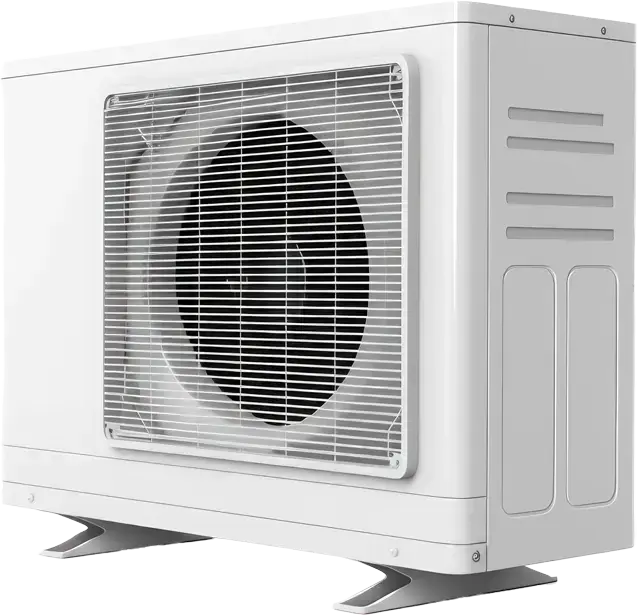
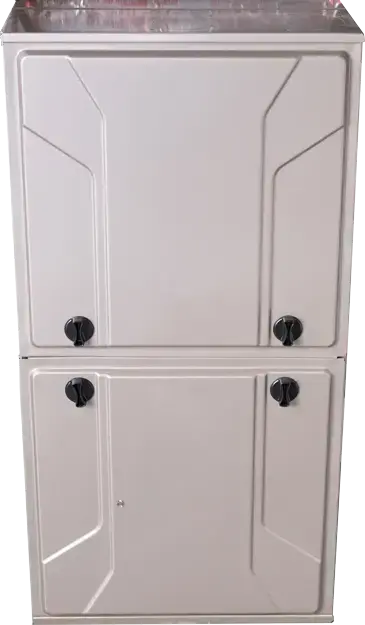
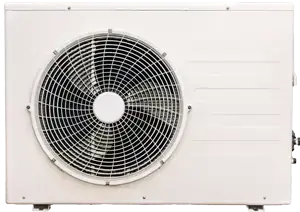
A furnace creates heat. In most homes, that means burning natural gas or using electric resistance heat, then moving warm air through the ductwork. A heat pump works differently. It transfers heat rather than generating it, pulling warmth from outdoor air in winter and moving heat out of your home in summer.
That one difference changes a lot. A furnace is a heating-only appliance, so you still need a separate air conditioner for cooling. A heat pump handles both heating and cooling in one system. In a market like Arizona, where cooling demand dominates most of the year, that matters.
Why climate matters so much
In colder parts of the country, furnaces often win because they produce strong heat even in extreme winter conditions. Here, winters are milder. That shifts the math.
Heat pumps tend to perform very well in climates with moderate heating needs, which is one reason they are increasingly popular with homeowners in Chandler, Gilbert, Mesa, and surrounding communities. Since our winters are generally short and not severely cold, a heat pump can provide efficient heating without the same cold-weather limitations it might face farther north.
That does not mean a furnace is automatically the wrong choice. It means Arizona homeowners should evaluate heating systems based on how they actually use them. For many households, the system will spend far more time cooling than heating. A furnace cannot help with that side of the equation.
Upfront cost and replacement setup
For some homeowners, cost is the deciding factor. The truth is that installation pricing depends heavily on what is already in place.
If your home currently has a gas furnace and central AC, replacing those with a new furnace and air conditioner may be the most straightforward path. If you switch to a heat pump, the job can involve electrical upgrades, changes to controls, or other modifications depending on the equipment and layout.
On the other hand, if you are replacing both your heating and cooling system anyway, a heat pump can be a very competitive option because it combines both functions. In some cases, homeowners find the overall value stronger than buying separate pieces of equipment.
This is why broad online price ranges are only so useful. Equipment efficiency, duct condition, thermostat compatibility, insulation levels, and home size all affect the real number.
Operating cost: where the monthly difference shows up
When people compare heat pump vs furnace, they often focus on purchase price and miss the bigger long-term issue: utility cost.
Heat pumps are generally very efficient because they move heat instead of creating it. In a mild winter climate, that can translate to lower heating costs compared with electric resistance systems and, in some situations, competitive performance against gas heating depending on utility rates.
A gas furnace can still be economical, especially when natural gas pricing is favorable. But that advantage is not universal. If your household is trying to reduce energy consumption or you want one high-efficiency system that supports both heating and cooling, a heat pump deserves serious consideration.
The cooling side matters too. Since a heat pump is also your air conditioner, its efficiency rating affects summer utility bills as much as winter bills. In Arizona, that part of the decision often carries more financial weight than the heating season alone.
Comfort feels different with each system
Not all heat is experienced the same way. Furnaces usually deliver hotter supply air, so they tend to feel warmer coming out of the vents. Some homeowners like that strong blast of heat on a cold morning. It can make the house feel like it warms up quickly.
Heat pumps typically deliver air at a lower temperature than a furnace, but they run longer and more steadily. That often creates a more even indoor temperature with fewer swings between on and off cycles. Instead of intense heat followed by cooling off, the home may feel more consistently balanced.
Neither style is automatically better. It depends on your preferences. If you want very warm air at the register, a furnace may feel more satisfying. If you prefer steady comfort and quieter operation, a heat pump often has the edge.
Reliability and maintenance expectations
Both systems need regular maintenance if you want dependable performance. Filters, airflow, electrical components, refrigerant charge, burners, heat exchangers, safety controls, and thermostat settings all affect efficiency and lifespan.
A furnace has combustion-related components that require careful inspection. A heat pump has refrigerant and outdoor unit components that work year-round because the same system heats and cools. That means a heat pump does not really get an off-season break in Arizona.
This is where professional maintenance makes a real difference. The best equipment can still underperform if airflow is poor, ducts leak, insulation is weak, or the thermostat is not set up correctly. Homeowners often think they are choosing between two machines when they are really choosing between two system designs. Installation quality and home performance matter just as much as the brand name on the unit.
When a heat pump makes the most sense
A heat pump is often a strong fit when you want one system for heating and cooling, your home does not rely heavily on gas, and your winter heating demand is relatively moderate. It also makes sense when efficiency is a priority and you are replacing both parts of the system anyway.
It can be especially attractive in homes where indoor comfort issues are tied to uneven temperatures, older low-efficiency AC equipment, or rising electrical use from outdated systems. Newer heat pumps can offer very good comfort control, and ductless or variable-speed options can improve performance in homes with specific hot and cold spots.
For many Phoenix-area homeowners, the biggest advantage is practical: a heat pump matches the climate. You are investing in equipment that works with the way your home is used most of the year.
When a furnace still deserves a serious look
A furnace may be the better choice if your home already has a strong gas setup, your existing system configuration makes furnace replacement more cost-effective, or you simply prefer the feel of hotter heat. Some homeowners also like the familiarity of a traditional furnace paired with a separate AC system.
It can also be a sensible option if your cooling equipment is still in good shape and you only need to address the heating side. In that case, replacing a furnace without changing the entire system may be the most practical move.
The key is to avoid forcing a trendy answer onto a home that does not need it. The right recommendation should match your budget, utility setup, comfort preferences, and long-term plans for the property.
The bigger question: what is your home actually asking for?
Sometimes homeowners ask whether they need a furnace or heat pump when the real issue is poor duct sealing, inadequate attic insulation, bad airflow, or an oversized unit that short cycles. Equipment matters, but it is only one part of comfort.
That is why a good replacement conversation should include more than efficiency ratings. It should look at how your current system performs, whether some rooms stay too warm or too cold, how old the ductwork is, and whether your thermostat and air distribution are helping or hurting comfort.
At Climate Pro, we see this all the time in Arizona homes. The best system choice is not the one with the flashiest brochure. It is the one that fits the house, the climate, and the way your family lives in it.
How to make the right choice
If you are down to heat pump vs furnace, start with four practical questions. Are you replacing heating only, or both heating and cooling? Does your home already have gas service? Are utility savings a priority, or is lower upfront cost the main goal? And do you care more about strong bursts of heat or steady, even comfort?
Those answers usually narrow the field fast. From there, the smartest next step is a system evaluation based on your actual home, not a national average or a one-size-fits-all recommendation.
The best HVAC decision is the one that keeps your house comfortable without making you second-guess every bill, repair, or hot spot. If your current system is sending clear warning signs, that is a good time to stop comparing equipment in the abstract and start looking at what will perform best where you live.
 Brio M.