A garage that never cools down, a new casita without ductwork, and one bedroom that is always warmer than the rest of the house are familiar comfort problems in Arizona. A ductless mini split Queen Creek homeowners choose can solve these targeted issues without the expense and disruption of extending a central duct system. The key is matching the equipment, capacity, and installation plan to the room – not simply choosing the biggest unit available.
Ductless systems are highly effective in the right application. They are not automatically the best replacement for every whole-home central AC system, especially in a large home with usable ducts. A careful evaluation helps protect comfort, efficiency, and your investment through long Queen Creek cooling seasons.
How a ductless mini split works
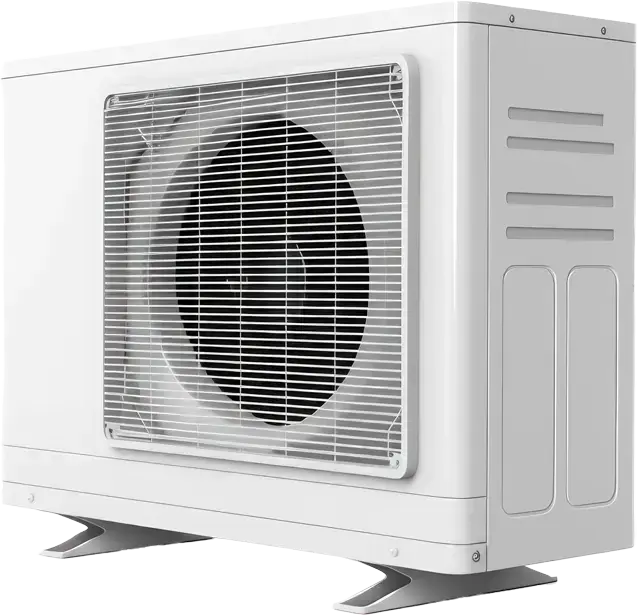
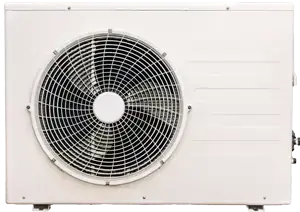
A mini split has two main parts: an outdoor condenser and one or more indoor air handlers. Refrigerant lines and electrical wiring connect them through a small wall opening. Each indoor unit delivers conditioned air directly into its zone and is controlled independently with a remote, wall control, or compatible smart control.
Because the system does not depend on large supply and return ducts, it avoids many of the losses associated with poorly sealed, undersized, or uninsulated ductwork. It also gives a homeowner room-by-room control. If the guest room is empty, you do not have to cool it to the same setting as the family room.
Most ductless mini splits are heat pumps, which means they provide both cooling and heating. That matters during Queen Creek’s cooler winter mornings, when efficient electric heat can be more practical than relying on a space heater or running an oversized central system for one occupied room.
Where ductless systems make the most sense
The best ductless installation usually begins with a specific comfort problem. A single-zone unit is often a strong fit for a converted garage, home office, workshop, exercise room, addition, or Arizona room. These spaces commonly have inadequate duct access, high solar exposure, or insulation conditions that make them difficult for the central system to handle.
A multi-zone system can serve several rooms from one outdoor unit. It may work well in a casita, a smaller home, or an addition with multiple bedrooms. However, multi-zone equipment is not always the most economical choice. Its installation is more complex, and each indoor unit still needs a suitable location for airflow, condensate drainage, and service access.
For a whole-home solution, ductless can be an excellent option in older homes without ducts or in homes where existing ductwork is in poor condition. In many newer homes, though, repairing leaks, improving insulation, balancing airflow, or replacing a failing central system may be the better long-term answer. The right choice depends on how the home is built and what is actually causing the comfort issue.
Sizing matters more than square footage alone
It is tempting to size a mini split by room square footage. That is a starting point, not a final answer. In Queen Creek, intense sun, window direction, ceiling height, insulation levels, room use, and the heat produced by people and electronics can change the cooling load substantially.
A west-facing bonus room with large windows may need far more cooling than a shaded room of the same size. A garage conversion may need additional attention because garage walls, attic spaces, and doors often provide less insulation than the rest of the home. If that space is not properly sealed and insulated, even high-quality equipment will work harder than it should.
Oversizing creates its own problems. A unit that cycles on and off too quickly may not run long enough to manage humidity or distribute air evenly. It can also cost more upfront. Undersizing is just as frustrating: the system may run continuously during extreme heat and still leave the room uncomfortable. A professional load calculation and a look at the room’s construction are more reliable than a quick online chart.
Indoor unit placement affects daily comfort
Indoor heads need open airflow across the room. Mounting one directly above a bed, sofa, or desk can create an uncomfortable stream of air, while tucking it behind furniture or into a tight corner limits performance. The installer should also plan a clean drainage route for condensation and place the outdoor equipment where it can be serviced and protected from unnecessary debris.
Appearance is a reasonable concern for many homeowners. Wall-mounted units are common, but some applications can use ceiling cassettes, concealed ducted indoor units, or floor-mounted models. The best style depends on room layout, ceiling construction, access, and budget.
What affects ductless mini split cost in Queen Creek
The price of a ductless system varies because installations are rarely identical. A straightforward single-zone installation costs less than a multi-zone system with several indoor units, long refrigerant line runs, electrical upgrades, and custom condensate routing. Equipment efficiency, available features, mounting requirements, and the condition of the electrical panel also influence the final number.
Homeowners should look beyond the equipment price. A lower initial quote can leave out electrical work, permits, line-set protection, proper commissioning, or labor needed to correct drainage issues. Those details are not extras when they affect safety, reliability, and the life of the system.
Efficiency ratings matter, but they should be viewed in context. Higher-efficiency models can reduce operating costs, particularly when a space is used often. For a workshop that is only cooled a few hours each month, the payback calculation may look different. A trustworthy recommendation explains the trade-off instead of treating the highest-rated system as the only answer.
Maintenance protects performance in desert conditions
Ductless equipment is reliable, but it is not maintenance-free. Indoor filters collect dust quickly, especially in homes with pets, active families, or frequent open doors. Homeowners can usually rinse or clean the washable filters on the schedule recommended for their model. Keeping furniture and curtains away from the indoor unit also helps it move air properly.
Professional maintenance should include cleaning the indoor coil and blower components as needed, checking drainage, inspecting electrical connections, confirming refrigerant performance, and clearing debris around the outdoor unit. Dirt buildup inside an air handler can reduce airflow and contribute to odors or water leaks. In Arizona heat, small performance losses become noticeable quickly.
Call for service if the unit blows warm air in cooling mode, leaks water, makes unusual noises, trips a breaker, develops a persistent odor, or cannot hold the selected temperature. Waiting for a complete shutdown can turn a manageable repair into a much more stressful situation during a heat wave.
Questions to ask before installing a ductless system
Before approving an installation, ask how the unit was sized, where the condensate will drain, and whether electrical upgrades are included. Ask whether the proposed indoor location will throw air directly at seating or sleeping areas. If the system will serve more than one room, ask how each zone will be controlled and what happens when zones have very different temperature demands.
It is also wise to ask whether the room needs insulation, air sealing, window shading, or duct improvements before adding equipment. Cooling equipment cannot fully compensate for a room that absorbs excessive heat all afternoon. Addressing the building issues first can allow for a better-sized system and lower operating costs.
For homeowners comparing options, a complete comfort assessment is more valuable than a quick equipment quote. Climate Pro can evaluate the problem room, existing HVAC performance, insulation, airflow, and installation requirements before recommending a ductless solution or a better alternative.
A ductless mini split should make a difficult room feel like part of the home again – cool when the desert heat peaks, comfortable on winter mornings, and efficient enough to use without second-guessing the thermostat. Start with the room’s real needs, and the right system becomes much easier to identify.
 Sheila R.