A ductless mini-split can be one of the hardest-working comfort systems in an Arizona home. When temperatures climb past 100 degrees, each indoor unit has to move cool, clean air without interruption. Knowing how to maintain a ductless system helps protect that performance, reduce avoidable repair calls, and keep individual rooms comfortable when your family needs relief most.
Ductless systems are efficient because they deliver conditioned air directly into the room instead of pushing it through long runs of ductwork. That design also means the indoor heads, filters, drain line, and outdoor condenser all need regular attention. Most routine care is simple for homeowners. The deeper work should be handled by a trained HVAC technician who can spot small problems before they become a no-cooling emergency.
How to Maintain a Ductless System at Home
The most valuable habit is checking the washable filters in every indoor air handler. Unlike a central system with one main return filter, a ductless setup may have several indoor units, each with its own filter. In a Phoenix-area home, dust, pet hair, and everyday use can clog them faster than expected.
Turn the unit off, open the front panel, and slide the filters out according to the manufacturer instructions. Vacuum loose debris first. If the filters need more cleaning, rinse them with lukewarm water and let them dry completely before reinstalling them. Never put a damp filter back into the unit, since trapped moisture can contribute to odor or mildew concerns.
During heavy cooling season, inspect filters every two to four weeks. A home with pets, open windows, nearby construction, or frequent dust storms may need more frequent cleaning. If the filters look clean, they may not need washing yet. The goal is to prevent buildup, not to overhandle parts unnecessarily.
Keep airflow clear around every indoor unit
Your wall-mounted air handler needs open space to distribute air properly. Avoid placing tall furniture, curtains, shelving, or decorations directly below or in front of the unit. Also check that the supply louvers can move freely and are aimed where you want the air to go.
If a room feels unevenly cooled, start with the basics. Confirm the mode is set to cooling, the temperature setting is reasonable, and the fan setting is not too low. A ductless unit may run longer on very hot afternoons, especially in a sun-facing room. That does not automatically mean it has failed, but weak airflow, warm air, or a sudden change in runtime deserves attention.
Wipe the cabinet and watch for moisture
Use a soft, dry or lightly damp cloth to clean dust from the exterior housing and louvers. Do not spray cleaners into the unit or use harsh chemicals. The indoor coil and internal blower wheel are delicate components that require the right cleaning process.
While you are checking the unit, look for water dripping from the cabinet, staining on the wall, or moisture near the line set. Ductless systems remove humidity as they cool, and that moisture exits through a condensate drain. A clogged drain can lead to leaks, odors, and eventual damage to walls or flooring. Shut the system off and schedule service if you see active leaking.
Do Not Neglect the Outdoor Condenser
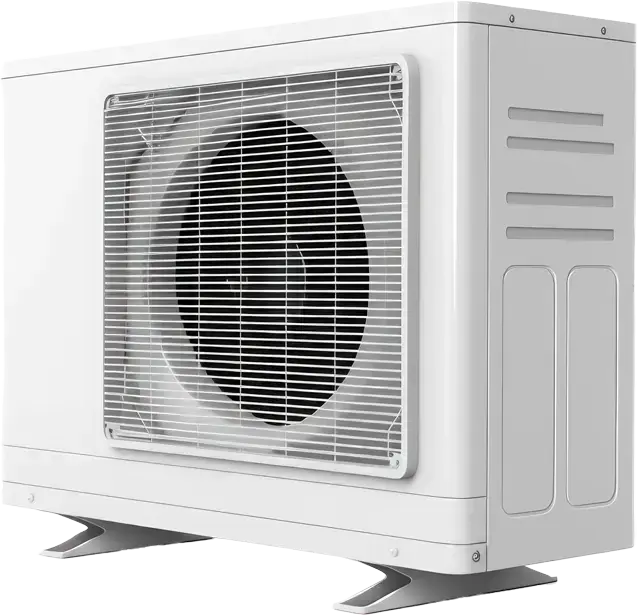
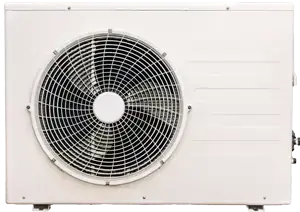
The outdoor component works hard in Arizona heat. Its job is to release heat collected from inside your home, so it needs room to breathe. Keep leaves, grass clippings, loose debris, storage items, and overgrown landscaping away from the condenser.
Maintain roughly two feet of clear space around the unit when possible, with nothing blocking the top. Do not build an enclosure around it for appearance or shade unless it is designed to allow full airflow. A properly positioned shade structure can sometimes help reduce direct sun exposure, but blocking airflow will hurt efficiency and may cause the system to overheat.
After a monsoon storm or dusty stretch of weather, inspect the outdoor unit visually. Remove debris around the base and make sure the pad remains level. You can gently rinse the exterior coil fins with a garden hose on a light setting if there is visible dust buildup, but do not use a pressure washer. High-pressure water can bend the fins and restrict airflow.
Leave electrical panels, refrigerant connections, and internal coil cleaning to a professional. Outdoor units contain high-voltage components, and a system that appears dirty may also have issues that are not visible from the outside.
Use Your Ductless System in a Way That Supports Efficiency
A ductless system is designed to maintain a steady indoor temperature efficiently. Constantly turning it off and then forcing it to cool a hot room from scratch can increase strain during extreme weather. When you are home, choose a comfortable setting and let the system make smaller adjustments.
For many households, a cooling setting around 76 to 78 degrees offers a practical balance between comfort and energy use. Your best setting depends on the room, insulation level, sun exposure, and personal preference. Bedrooms with west-facing windows, for example, may need more help in late afternoon than shaded rooms.
Use the remote or wall control features to your advantage. Set schedules if your equipment supports them, and use sleep mode in bedrooms when it matches your comfort needs. Keep doors and windows closed while the unit is running. A ductless head can condition a targeted area very effectively, but it cannot overcome constant heat entering from outside.
If you have multiple zones, avoid treating every room exactly the same. Unused rooms can often be set a few degrees warmer in summer, provided humidity and household needs allow. In Arizona’s dry climate, that approach can reduce demand without sacrificing comfort in the spaces you use most.
Why Professional Ductless Maintenance Still Matters
Filter cleaning is not a substitute for professional maintenance. Dirt can build up deeper inside the indoor coil, blower wheel, drain pan, and condensate line, where homeowners should not attempt a full cleaning. Even a system that still cools can lose efficiency as internal buildup restricts airflow.
A professional ductless maintenance visit typically includes a detailed inspection of the indoor and outdoor equipment, electrical connections, refrigerant operation, drainage, coil condition, airflow, and overall performance. The technician can also clean components that are not accessible during routine homeowner care and identify wear before it leads to a breakdown.
For homes that rely on ductless cooling through a long Arizona summer, annual maintenance is a smart baseline. Systems that run nearly year-round, serve high-use rooms, or operate in particularly dusty conditions may benefit from a second check. The right schedule depends on your equipment, household, and how hard each zone works.
Climate Pro technicians can assess the full system rather than focusing only on a symptom. If one room is not cooling well, the cause could be a dirty blower, drainage issue, refrigerant concern, control problem, sizing issue, or even excessive heat gain in that area of the home. Getting the diagnosis right protects both your comfort and your budget.
Signs Your Ductless System Needs Service
Do not wait for a complete shutdown if you notice a change in operation. Prompt service is often less disruptive than waiting until the system cannot keep up during peak heat. Schedule an inspection when you notice any of the following:
- Weak airflow or air that does not feel as cool as usual
- Water leaking, musty odors, or visible mildew around an indoor unit
- New rattling, buzzing, grinding, or repeated clicking sounds
- Ice on the indoor or outdoor equipment
- A sudden increase in energy bills without a clear change in usage
- A unit that short-cycles, shuts off unexpectedly, or displays an error code
Some issues are minor, while others can worsen quickly. Ice, leaks, electrical smells, or a system that will not cool should be addressed as soon as possible. Avoid repeatedly resetting the equipment or continuing to run it if performance is clearly abnormal.
A Simple Seasonal Routine for Phoenix Homes
Before the hottest part of the year arrives, clean the filters, clear the outdoor unit, test each zone, and schedule professional maintenance if it has been a year or more. Mid-summer, repeat the filter check and inspect for debris after storms. In fall, clean filters again and confirm the system transitions properly if you use heat pump heating.
This routine takes little time, but it can make a meaningful difference in comfort, efficiency, and equipment life. A well-maintained ductless system should fade into the background – quietly keeping your rooms comfortable instead of demanding attention on the hottest day of the year.
 Lina B.