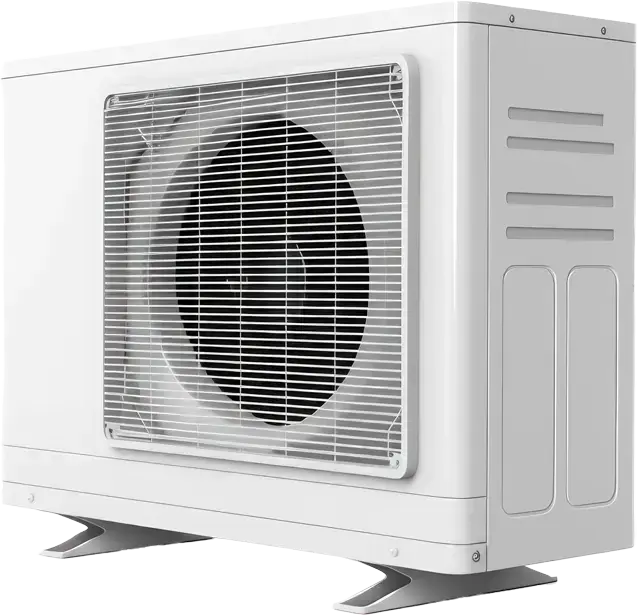
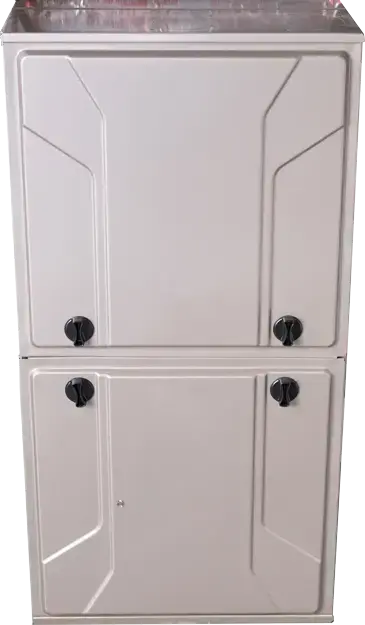
A failed AC unit on a 110-degree afternoon is not the time most homeowners want to decide whether to repair or replace HVAC equipment. Yet that decision can affect your budget, comfort, energy bills, and peace of mind for years. The right answer is not always replacement, and it is not always the cheapest repair. It depends on what failed, how the system has performed, and whether it can reliably handle another Arizona summer.
Repair or Replace HVAC: Start With the Real Problem
A trustworthy HVAC recommendation starts with a full diagnosis, not a quick guess based on the unit’s age. A system that will not cool may have a failed capacitor, contactor, thermostat issue, clogged drain line, or airflow restriction. These are often repairable problems that do not automatically justify replacing an entire system.
On the other hand, an expensive component failure can reveal a larger problem. A compressor that has failed because of poor airflow, an undersized return, dirty coils, or a refrigerant leak may be the most visible symptom of a system that has been struggling for years. Repairing that one component without addressing the cause can leave you paying for another breakdown sooner than expected.
The key question is not simply, “Can it be repaired?” Most HVAC equipment can be repaired. The better question is, “Will this repair give my home dependable comfort at a reasonable cost?”
System Age Matters, Especially in Arizona
Most central air conditioning systems are designed to last roughly 12 to 15 years. In Chandler, Gilbert, Mesa, and nearby communities, long cooling seasons and relentless summer heat can put more operating hours on an AC system than homeowners in milder climates experience. A well-maintained unit may run longer, while a neglected system may need major work much earlier.
Age alone should not force a replacement. A 10-year-old system with a minor electrical repair, clean coils, stable refrigerant levels, and a good maintenance history may have years of useful service left. But when a unit is approaching or beyond its expected lifespan, every major repair deserves a closer look.
Older systems can also be less efficient than current equipment, even when they are technically operating correctly. If your home has rising electric bills, uneven temperatures, weak airflow, or rooms that never seem comfortable, the issue may be bigger than a single worn part.
The Cost of Repair Is Only One Part of the Equation
Many homeowners have heard of the 50 percent rule: replace the system if a repair costs more than half the price of a new unit. It can be a useful reference point, but it is not a complete decision-making tool.
For example, a repair costing 25 percent of replacement cost may still be a poor investment if the system is 15 years old, uses outdated refrigerant, has broken down repeatedly, and struggles to cool the home. Conversely, a repair that appears costly may make sense for a newer, efficient system with an otherwise strong service record.
Consider the repair in context. Ask how long the repair is expected to last, whether other worn components are likely to fail, and whether the repair includes a meaningful warranty. A clear estimate should explain the problem, the recommended solution, and the practical alternatives so you can decide without pressure.
Signs a Repair May Be the Right Move
Repair is often the sensible choice when the issue is isolated and the rest of the system is in good condition. A recently installed unit with a bad capacitor, failed blower motor, damaged thermostat, or electrical connection problem usually does not need to be replaced.
Repair may also make sense when your system has been consistently maintained, cools evenly, and has not required repeated service calls. Regular maintenance can catch drain, electrical, airflow, and refrigerant problems before they cause severe damage. In those cases, restoring the system to proper operation can be a smart, cost-effective decision.
If you plan to sell your home soon, a targeted repair may also be the practical choice, provided the system is safe, functional, and the repair resolves the actual issue. A qualified technician can help you understand what is necessary now and what may become a future concern.
When HVAC Replacement Makes More Sense
Replacement becomes more compelling when repairs are frequent, expensive, or unlikely to solve ongoing comfort problems. If you have called for service several times over the past two cooling seasons, those costs can add up quickly. More importantly, repeated failures are disruptive when your family depends on cooling every day.
A replacement is worth serious consideration when the compressor or coil fails on an older system, particularly if refrigerant leaks have been a recurring issue. Older equipment may use refrigerants that are more expensive or increasingly difficult to obtain, making future repairs less predictable.
It is also time to look at replacement when your AC runs for long periods but cannot keep up, your utility bills have climbed without a clear explanation, or certain rooms are consistently too hot. A new system alone is not always the answer, though. Duct leakage, inadequate insulation, incorrect equipment sizing, and poor air balance can reduce performance even with brand-new equipment.
That is why a whole-home evaluation matters. The best replacement recommendation considers your home’s square footage, insulation, windows, ductwork, airflow, thermostat settings, and comfort concerns. Installing a larger unit without correcting airflow or duct problems can create new issues, including short cycling, humidity discomfort, and unnecessary energy use.
Efficiency Is Valuable, But It Should Be Calculated Honestly
Newer HVAC equipment can offer meaningful efficiency improvements, especially when replacing a system with a low SEER rating. Better efficiency can lower monthly cooling costs, but savings vary based on the equipment selected, how the home is used, thermostat habits, insulation, and duct condition.
Avoid making a replacement decision based only on a promised utility-bill number. Instead, weigh the likely energy savings against the purchase cost, expected years in the home, available financing, and the value you place on reliability. For many Phoenix-area homeowners, avoiding emergency breakdowns during peak summer heat is as important as lowering electricity use.
High-efficiency options can be especially worthwhile if your existing system is oversized, poorly matched to your home, or unable to maintain consistent temperatures. Variable-speed systems, heat pumps, ductless solutions, and smart thermostats may improve comfort in the right application. They are not automatically the right fit for every home, so the recommendation should be based on your needs rather than a one-size-fits-all package.
Do Not Overlook Ductwork and Indoor Air Quality
Your AC equipment may be only part of the comfort problem. Leaky ducts can send conditioned air into the attic, while restricted returns can make rooms feel stuffy and force the system to work harder. In Arizona homes, attic duct issues can have a major effect on cooling performance and energy use.
Before replacing equipment, ask whether airflow has been checked. Air balancing, duct sealing, attic insulation, and return-air improvements may extend equipment life or help a new system deliver the performance you expect. If dust, odors, allergies, or uneven airflow are concerns, indoor air quality options should also be part of the conversation.
A complete approach prevents a frustrating outcome: investing in new HVAC equipment only to find that the upstairs bedrooms are still hot or the system still runs constantly.
Questions to Ask Before You Approve the Work
You do not need to be an HVAC expert to make a confident decision. Ask the technician to show you what failed and explain why it failed. Find out whether the repair addresses the root cause, how long it is expected to last, and whether the equipment has other parts nearing the end of their service life.
If replacement is recommended, ask why that option makes better financial and comfort sense than repair. You should receive details on equipment efficiency, warranty coverage, sizing, installation scope, and whether ductwork or airflow improvements are recommended. Transparent pricing and financing options can also make it easier to choose the solution that fits your household rather than delaying necessary work.
At Climate Pro, LLC, the goal is to give homeowners a clear diagnosis and practical options, whether the best answer is a dependable repair or a properly designed replacement.
Your HVAC system does not need to be perfect to be worth repairing, and it does not need to be completely dead to be worth replacing. Choose the option that gives your home reliable comfort, manageable operating costs, and fewer surprises when the next Arizona heat wave arrives.
 Arlene B.