Understanding Ductless HVAC Systems for Central Corridor Properties
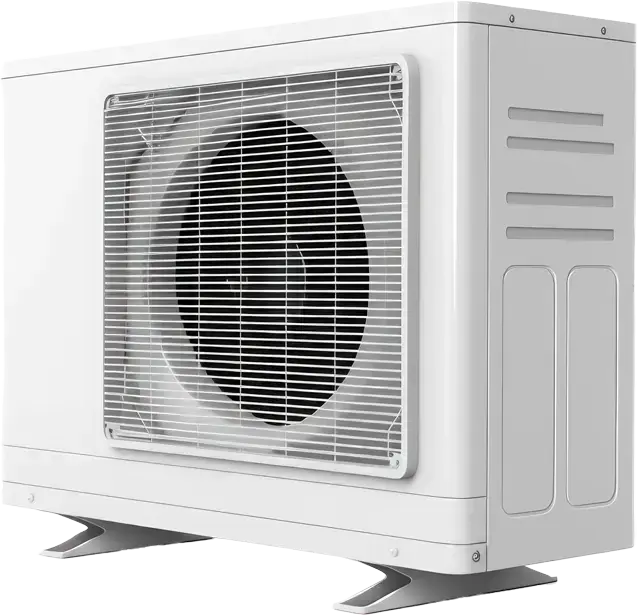
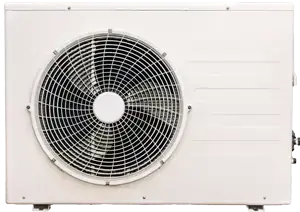
When dealing with heating and cooling challenges in Central Corridor, AZ, ductless HVAC systems present an innovative solution that addresses the unique architectural and climate demands of this vibrant area. These systems, also known as mini-split systems, operate without the extensive ductwork required by traditional central air conditioning, making them ideal for the mix of historic buildings, modern condos, and renovated commercial spaces that characterize Central Corridor neighborhoods. The technology relies on an outdoor compressor unit connected to one or more indoor air handling units through small refrigerant lines that require only a three-inch hole through the wall, preserving the structural integrity of buildings while delivering precise temperature control.
The fundamental operation involves heat pump technology that can both cool and heat spaces by transferring thermal energy rather than generating it through combustion or resistance heating. During summer months, the system extracts heat from indoor air and transfers it outside, while in winter, the process reverses to bring warmth indoors. This dual functionality proves particularly valuable in Central Corridor’s desert climate, where temperatures can swing dramatically between scorching days and surprisingly cool nights. At Climate Pro, LLC, we specialize in designing ductless solutions that maximize efficiency while minimizing visual impact on your property’s aesthetic appeal.
Benefits Tailored to Central Corridor Living
The dense urban environment of Central Corridor presents unique challenges that ductless systems elegantly solve. Many properties in this area feature open floor plans, loft-style layouts, or historic structures where installing traditional ductwork would be prohibitively expensive or architecturally impossible. Ductless systems eliminate this concern entirely, requiring minimal modification to existing structures while delivering superior climate control. Each indoor unit operates independently with its own thermostat, allowing residents to create customized comfort zones throughout their homes or businesses, which proves especially beneficial for multi-use spaces common in Central Corridor’s mixed residential and commercial buildings.
Energy efficiency stands as a paramount advantage in our desert climate where cooling costs can skyrocket during peak summer months. Ductless systems typically achieve SEER ratings between 16 and 22, significantly exceeding the minimum standards required for conventional systems. This efficiency translates directly to reduced utility bills, with many property owners experiencing 25 to 40 percent savings on their energy costs after transitioning from traditional HVAC systems. Additionally, the absence of ductwork eliminates the energy losses associated with air leaks and thermal transfer through duct materials, which can account for up to 30 percent of energy consumption in traditional forced-air systems.
Installation Process and Technical Specifications
Installing ductless HVAC systems in Central Corridor properties requires careful planning and expertise to ensure optimal performance and aesthetic integration. The process begins with a comprehensive load calculation that considers factors including square footage, ceiling height, window placement, insulation quality, and sun exposure patterns specific to Arizona’s intense solar radiation. We analyze each space individually to determine the appropriate capacity and placement of indoor units, ensuring even temperature distribution without creating uncomfortable drafts or hot spots.
The technical specifications vary based on property requirements, but most residential applications utilize systems ranging from 9,000 to 36,000 BTUs per indoor unit. Commercial installations may require larger capacities or multiple outdoor units to accommodate greater cooling demands. The refrigerant lines connecting indoor and outdoor units typically measure between quarter-inch and five-eighths-inch in diameter, depending on system capacity, and can extend up to 165 feet, providing exceptional flexibility in unit placement. Power requirements generally include a dedicated 230-volt circuit for the outdoor unit and standard 115-volt connections for indoor units, though specific electrical needs vary by model and configuration.
Addressing Central Corridor’s Climate Challenges
Central Corridor experiences extreme temperature variations that demand robust HVAC solutions capable of maintaining comfort throughout the year. Summer temperatures regularly exceed 110 degrees Fahrenheit, creating intense cooling loads that traditional systems often struggle to manage efficiently. Ductless systems excel in these conditions through inverter-driven compressor technology that modulates output based on real-time demand rather than cycling on and off like conventional units. This variable-speed operation maintains more consistent temperatures while consuming less energy during partial-load conditions, which represent the majority of operating hours even in Arizona’s extreme climate.
Our commitment to customer satisfaction drives every installation we perform, backed by our Golden Rule Guarantee. When a company says they will do a good job for you, if they really mean it, then they should also offer, and be willing, to guarantee your satisfaction in writing to protect you. We promise that you will be satisfied with the new systems that we have installed in your home. If, for any reason, you are not satisfied with the performance of your systems during the first full year after installation, just let us know. We will make it right, or cheerfully remove the system and return 100 percent of your money.
Maintenance Requirements and Long-term Performance
Ductless systems require specific maintenance protocols to ensure optimal performance in Central Corridor’s dusty desert environment. The primary maintenance tasks focus on keeping filters clean and ensuring proper refrigerant charge levels. Indoor unit filters should be cleaned monthly during peak usage seasons, as Arizona’s airborne particulates can quickly accumulate and reduce system efficiency. We recommend professional maintenance twice annually, ideally before the cooling and heating seasons, to inspect electrical connections, verify refrigerant levels, clean coils, and check drainage systems.
- Filter cleaning: Remove and wash reusable filters monthly during heavy use periods
- Outdoor unit inspection: Check for debris accumulation around the compressor unit quarterly
- Professional servicing: Schedule comprehensive maintenance visits in spring and fall
- Drainage verification: Ensure condensate lines remain clear and properly sloped
- Performance monitoring: Track energy consumption patterns to identify potential issues early
Regular maintenance extends system lifespan significantly beyond the typical 15 to 20 year expectancy while maintaining peak efficiency ratings throughout the equipment’s service life. The modular nature of ductless systems also simplifies repairs when needed, as individual components can be serviced or replaced without affecting the entire system’s operation, minimizing downtime and repair costs for Central Corridor property owners who depend on reliable climate control year-round.
 Whitney M.