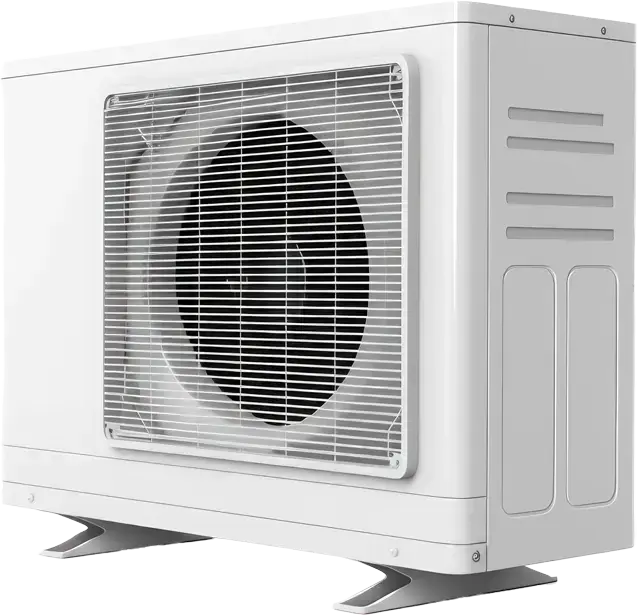
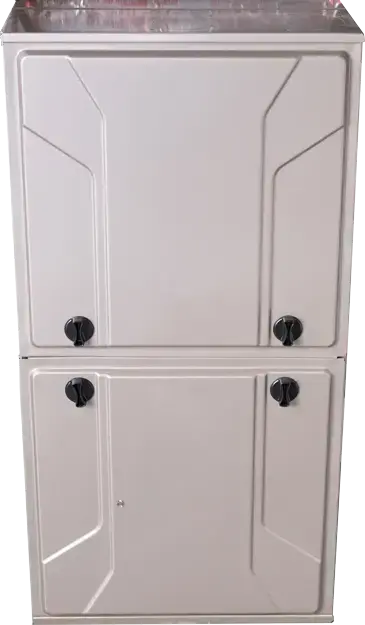
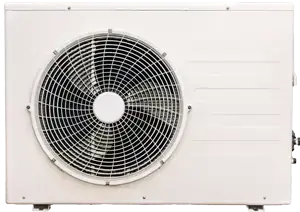
If your home needs strong cooling for summer and reliable heat for chilly desert mornings, heat pumps deserve a serious look. Many Arizona homeowners still assume they are only for mild climates, but modern systems are built to handle the kind of year-round comfort demands we see in places like Chandler, Gilbert, Mesa, and Queen Creek.
What heat pumps actually do
A heat pump does not create heat the same way a furnace does. It moves heat from one place to another. In summer, it pulls heat out of your home and sends it outside, which is why it works a lot like a standard air conditioner. In winter, it reverses direction and brings outdoor heat inside.
That last part is where some homeowners get skeptical. If it feels cold outside, how can there still be heat to pull in? The answer is that even cool outdoor air contains heat energy. A properly designed system can capture that energy and use it to warm your home efficiently.
For Arizona homes, that matters. Our winters are generally mild compared to other parts of the country, so heat pumps often make practical and financial sense. You get one system that handles both cooling and heating without needing separate equipment for each job.
Why heat pumps make sense in the Phoenix area
In the Phoenix metro area, the biggest demand on your HVAC system is almost always cooling. That gives heat pumps a natural advantage because they are already designed to perform as high-efficiency cooling systems. When winter arrives, they can switch over and provide heat without the fuel costs and combustion concerns that come with gas heating.
That does not mean a heat pump is automatically the best fit for every home. The right answer depends on your current setup, your utility rates, your insulation levels, your ductwork, and how you use your home day to day. A homeowner who already has a newer gas furnace may look at the math differently than someone replacing an aging AC system and older electric heat.
Still, in many Arizona homes, the appeal is straightforward. One system, efficient operation, and consistent comfort through the seasons.
The real benefits of heat pumps
The biggest benefit for most homeowners is efficiency. Because heat pumps move heat instead of generating it directly, they can use less energy than some traditional heating methods. That can help lower operating costs, especially during heating season.
They also offer year-round versatility. You are not maintaining one system for cooling and another for heating. That can simplify service, replacement planning, and thermostat control.
Comfort is another plus that homeowners often notice quickly. Heat pumps tend to deliver steady, even heating rather than the shorter, hotter bursts some people are used to from a furnace. That more gradual heat can make rooms feel more balanced, especially when the system is sized correctly and airflow has been addressed.
There is also an indoor air quality angle. Since heat pumps do not rely on combustion inside the home, there are no burner-related concerns tied to a gas heating process. That does not replace the need for filtration, duct maintenance, or air purification when needed, but it is still a meaningful difference.
What homeowners should know before installing heat pumps
The biggest mistake with heat pumps is assuming brand alone determines performance. It does not. Installation quality, system sizing, duct design, refrigerant charge, airflow, and thermostat setup all play a major role in how the system performs.
A heat pump that is too large may short cycle, which can affect efficiency and humidity control. A system that is too small may struggle during peak demand. Poor ductwork can make even high-end equipment feel disappointing in certain rooms. If your home has hot or cold spots now, replacing equipment without addressing airflow may leave the same comfort problems in place.
That is why a whole-home view matters. Equipment should match the home, not just the square footage on a rough estimate.
You should also think about your electrical setup and the condition of your existing indoor and outdoor components. In some homes, replacing the full system is the smartest move. In others, a more targeted upgrade may make sense. The right recommendation should be based on system condition, comfort needs, and budget, not a one-size-fits-all sales pitch.
Heat pumps vs. traditional AC and furnace systems
If you are comparing options, the main difference is simple. A standard split HVAC setup usually pairs an air conditioner with a furnace. A heat pump replaces the cooling side and also handles heating.
For homeowners with natural gas, a furnace can still be an effective choice, especially if they prefer hotter supply air during winter. Furnaces also tend to perform strongly in very cold climates. But that cold-climate advantage is less relevant in Arizona, where winter temperatures are usually well within a heat pump’s comfort zone.
If your home is all-electric, the case for a heat pump often gets stronger. It can be much more efficient than electric resistance heating, which is expensive to run. That can make a noticeable difference on utility bills over time.
The trade-off is that not every home will see the same savings. Your usage habits, thermostat settings, insulation, and duct leakage all affect real-world results. Efficiency ratings matter, but so does the way the house actually performs.
Ductless heat pumps are worth considering too
Not every Arizona home is best served by a traditional ducted system. If you have an addition, a garage conversion, a room that never seems comfortable, or a home with limited duct access, ductless heat pumps can be an excellent solution.
These systems provide heating and cooling to targeted areas without requiring full duct installation. They are often efficient, quiet, and flexible. For homeowners trying to solve a specific comfort problem without replacing the entire central system, ductless can be a smart path.
They are not always the cheapest upfront option, and aesthetics matter to some homeowners since indoor wall-mounted units are visible. But for the right application, they solve problems that standard systems cannot solve as cleanly.
Maintenance matters more than most people think
Heat pumps work hard in Arizona because they are used for cooling through long summers and heating in winter. That year-round workload makes regular maintenance especially important.
A neglected heat pump can lose efficiency, struggle with airflow, and develop preventable issues that lead to expensive repairs. Dirty coils, clogged filters, low refrigerant, and electrical wear can all affect performance. Some problems show up as obvious discomfort. Others quietly increase energy use month after month.
Routine service helps catch those issues early. It also gives homeowners a clearer picture of equipment condition, expected lifespan, and whether repair or replacement makes more sense. If your system is older and repair costs are starting to stack up, that conversation should be honest and practical.
Signs your heat pump may need repair or replacement
If your system runs constantly, struggles to maintain temperature, makes unusual noises, or causes sudden spikes in your electric bill, it is time to have it checked. Weak airflow, short cycling, frozen coils, and uneven temperatures are also common warning signs.
Age matters too. An older system that needs frequent repairs may no longer be the most cost-effective option, especially if comfort has already been declining. In that situation, replacement is not just about avoiding breakdowns. It is about restoring dependable performance and improving efficiency.
For homeowners planning ahead, timing matters. Replacing a failing system before peak summer demand usually gives you more flexibility and less stress than waiting for a complete breakdown in extreme heat.
Choosing the right contractor for heat pumps
Heat pumps are not complicated in the hands of an experienced HVAC team, but they do require proper design, installation, and service. Homeowners should look for a contractor that explains options clearly, checks the full system, and talks honestly about trade-offs.
That includes more than equipment pricing. A trustworthy company should consider airflow, insulation, duct condition, thermostat compatibility, and how your household actually uses the home. Fast service matters, but accurate recommendations matter just as much.
Climate Pro, LLC works with homeowners who want that balance – dependable technical expertise, transparent guidance, and solutions that fit the home instead of forcing the home to fit the equipment.
If you are weighing heating and cooling options for your Arizona home, heat pumps are worth more than a quick glance. The right system can deliver efficient performance, steady comfort, and fewer headaches when it is matched to the home and installed the right way. A good decision here is not about chasing features. It is about choosing comfort you can count on when the weather gets demanding.
 Lina B.